

The first year of ABA therapy is often about establishing routines, building a relationship between the child and the clinical team, and targeting foundational skills. The second year looks different. For many North Carolina families, the shift from year one to year two brings changes in intensity, focus, and the nature of the goals being addressed. Understanding what to expect from this transition can help families stay engaged and make the most of a period when many children show significant acceleration in progress.
How Goals Evolve
By the time a child reaches their second year of ABA, many of the most foundational targets have either been met or are well underway. This creates room to move into more complex, nuanced goals. A child who spent the first year working on functional communication might now be working on using language in more flexible and spontaneous ways, asking questions, making comments, or holding multi-turn conversations. A child who worked on basic compliance and attending skills might now be working on academic readiness, self-regulation, or more advanced social interactions.
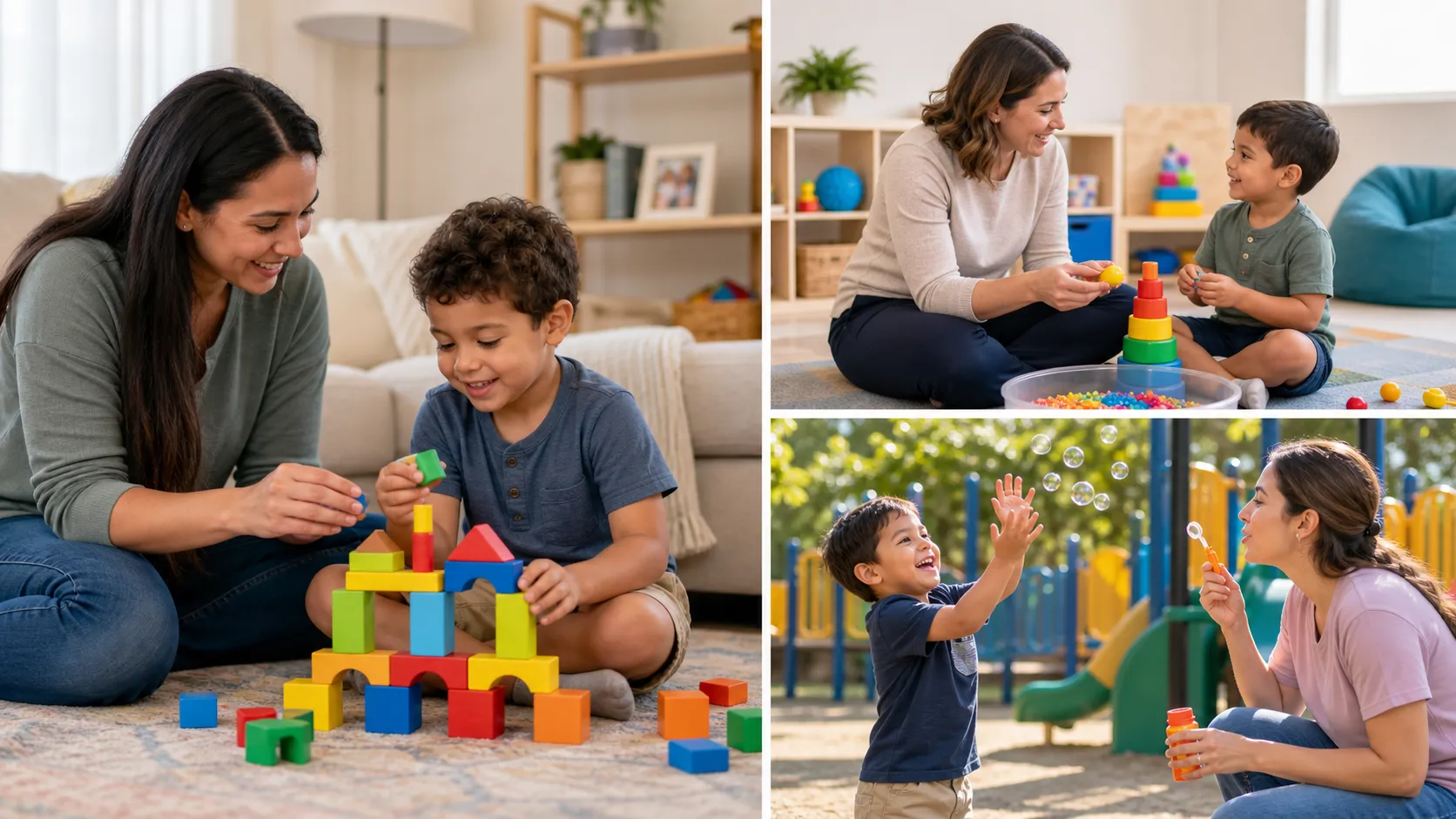
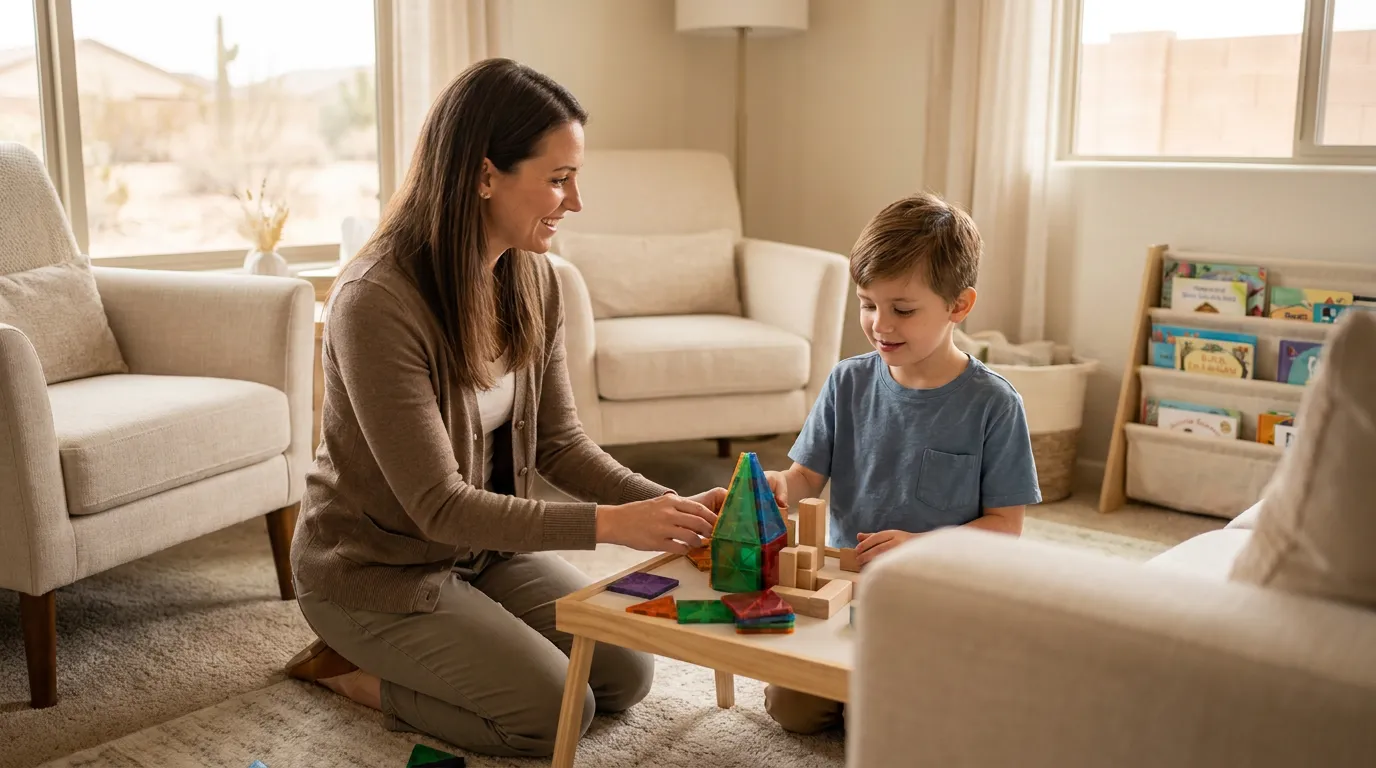
The second year also tends to bring a shift toward goals that look more like real-world functioning. Rather than practicing skills in highly structured discrete trial formats, children often move toward naturalistic learning environments where skills are practiced in contexts that more closely resemble how they will actually be used. This is not a reduction in rigor. It is a developmental progression, and it reflects what the data has shown about what the child is ready for.
Reassessments in the second year are standard practice. A BCBA will conduct a new or updated skills assessment and compare current performance to baseline data from year one. This comparison often provides families with concrete, measurable evidence of how far their child has come, which can be both meaningful and motivating.
Changes in Program Intensity
It is not uncommon for the number of recommended therapy hours to change between the first and second year. Some children require more intensive support during the initial period and begin to need fewer hours as skills stabilize and generalize. Others may continue at the same intensity, or in some cases, clinical recommendations may shift to address newly identified needs.
Families in North Carolina should have a clear conversation with their BCBA about the clinical reasoning behind any intensity changes. Reducing hours should reflect genuine skill acquisition and generalization, not simply a response to insurance pressures or scheduling convenience. If hours are being adjusted, you have the right to understand why and to ask how progress will continue to be supported at the new level.
You can also explore what second-year programming typically looks like by connecting with providers who serve families across the state. Searching for behavioral services for autism va can help you understand what a continued, evolving ABA program looks like as your child develops.
The Role of Families in Year Two
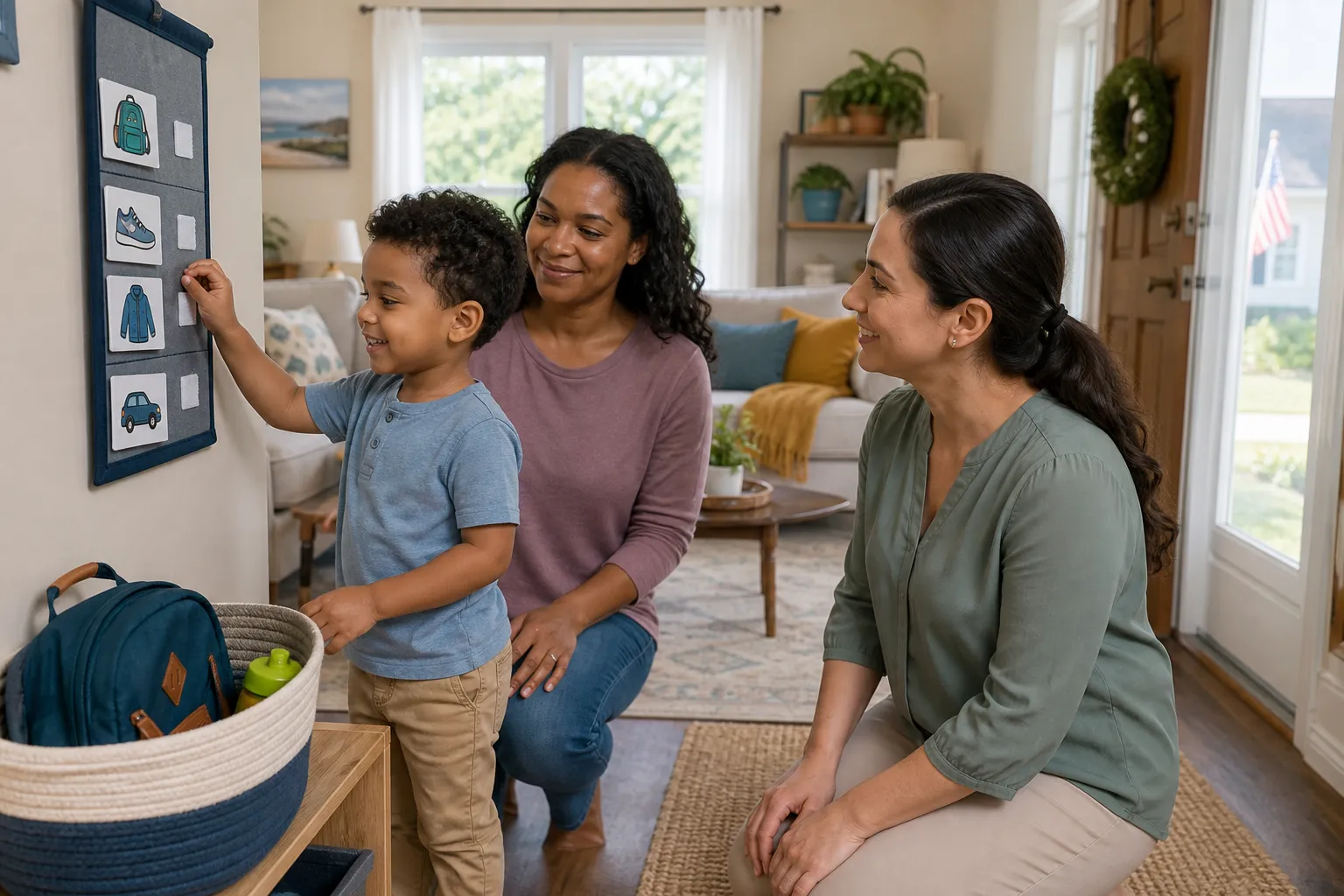
Parent involvement does not decrease in the second year, though its character may shift. Families who have completed initial parent training often move into a phase of refinement and troubleshooting, where they are applying strategies with more confidence but may need support navigating specific situations or adjusting approaches as their child grows and their needs change.
Year two is also a period when many families begin to think more concretely about longer-term planning. What skills does the child need to be successful in school next year? What does transition planning look like as the child moves toward middle school or adolescence? A good clinical team will help families think through these questions with enough lead time to shape goals and programming accordingly.
The second year of ABA therapy is often where families begin to see the cumulative effect of consistent, data-driven work. The gains from year one are built upon, and the child's world typically expands as a result. Staying engaged and communicating openly with the clinical team during this phase helps ensure the program continues to be a strong fit for where the child is going next.





















Sign in to leave a comment.