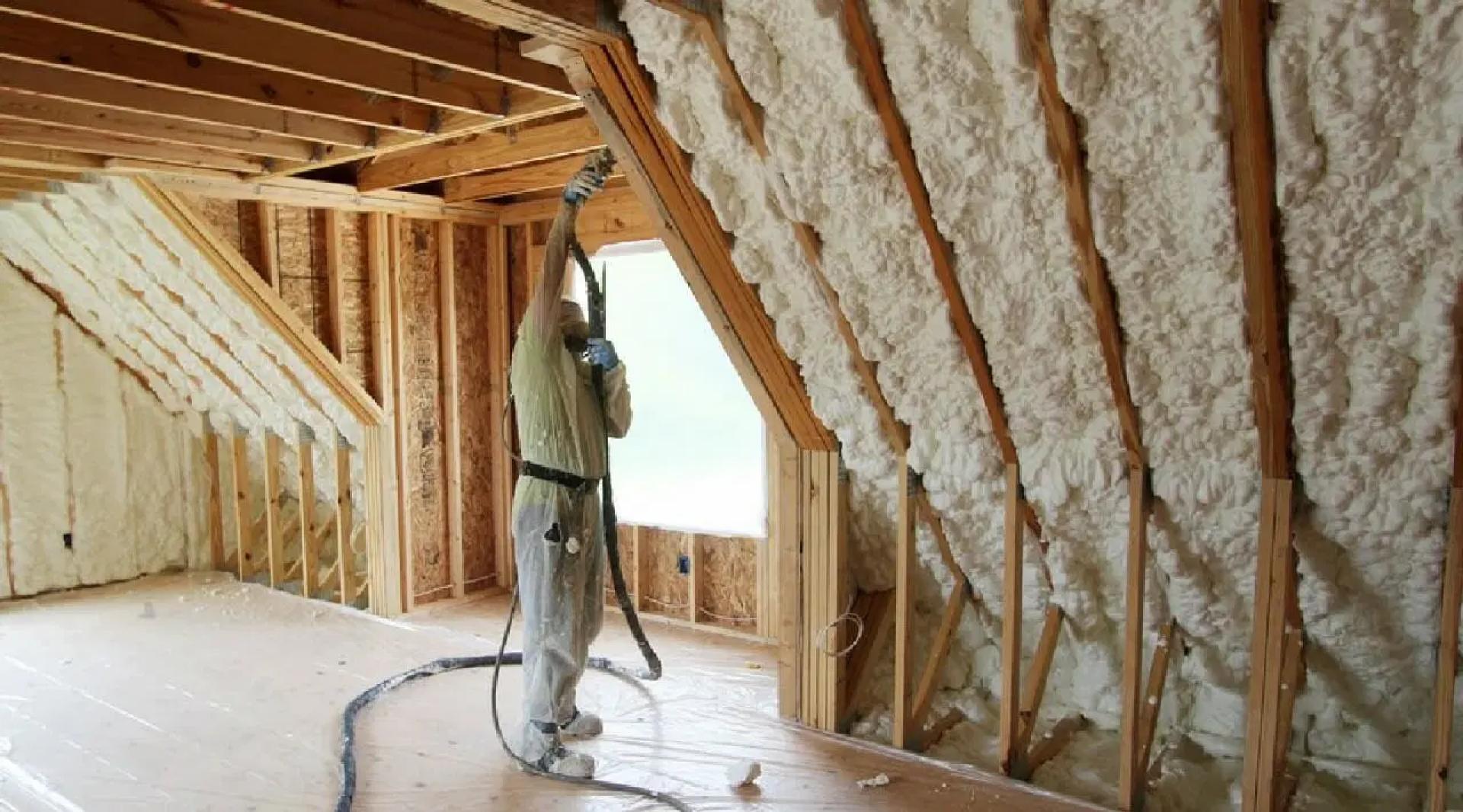

Yes, open cell spray foam is an exceptionally effective material for reducing noise transfer in a home, and it works in two distinct and powerful ways. First, its soft, sponge-like structure is a natural sound absorber, trapping and dissipating the energy of sound waves. Second, and more importantly, it creates a complete air seal. Because most sound travels on air, stopping the uncontrolled movement of air through walls and floors is the most effective way to block airborne noise like conversations and television sounds. While many people choose spray foam for its thermal benefits, its acoustic performance is a significant and often overlooked advantage that can create a much quieter and more peaceful living environment.
Unlike dense materials that can reflect sound or fibrous materials that allow sound to pass through gaps, open cell spray foam insulation provides a comprehensive solution that both absorbs and blocks sound. This guide, drawing on the principles of acoustics and building science, will explain exactly how this material works to quiet a home and where it can be used for the greatest impact.
Understanding How Sound Travels in a Home
To understand how to stop a sound, it's important to first understand how it moves. In a residential setting, noise is typically transferred in two primary ways:
- Airborne Sound: This is sound that travels through the air. Examples include conversations, music, televisions, and traffic noise from outside. This type of sound will find any path it can, easily passing through small cracks and gaps in your walls, floors, and ceilings.
- Structure-Borne Sound: This is sound that travels as a vibration through the solid materials of the house. The most common examples are footsteps on the floor above, a door slamming, or the vibration from a washing machine.
Traditional wall and floor cavities, which are often empty or poorly filled with insulation batts, act like a drum, allowing sound to echo and easily pass from one room to another. Small, unsealed gaps around electrical outlets, light fixtures, and plumbing pipes provide direct pathways for airborne sound to travel, undermining the performance of an entire wall.
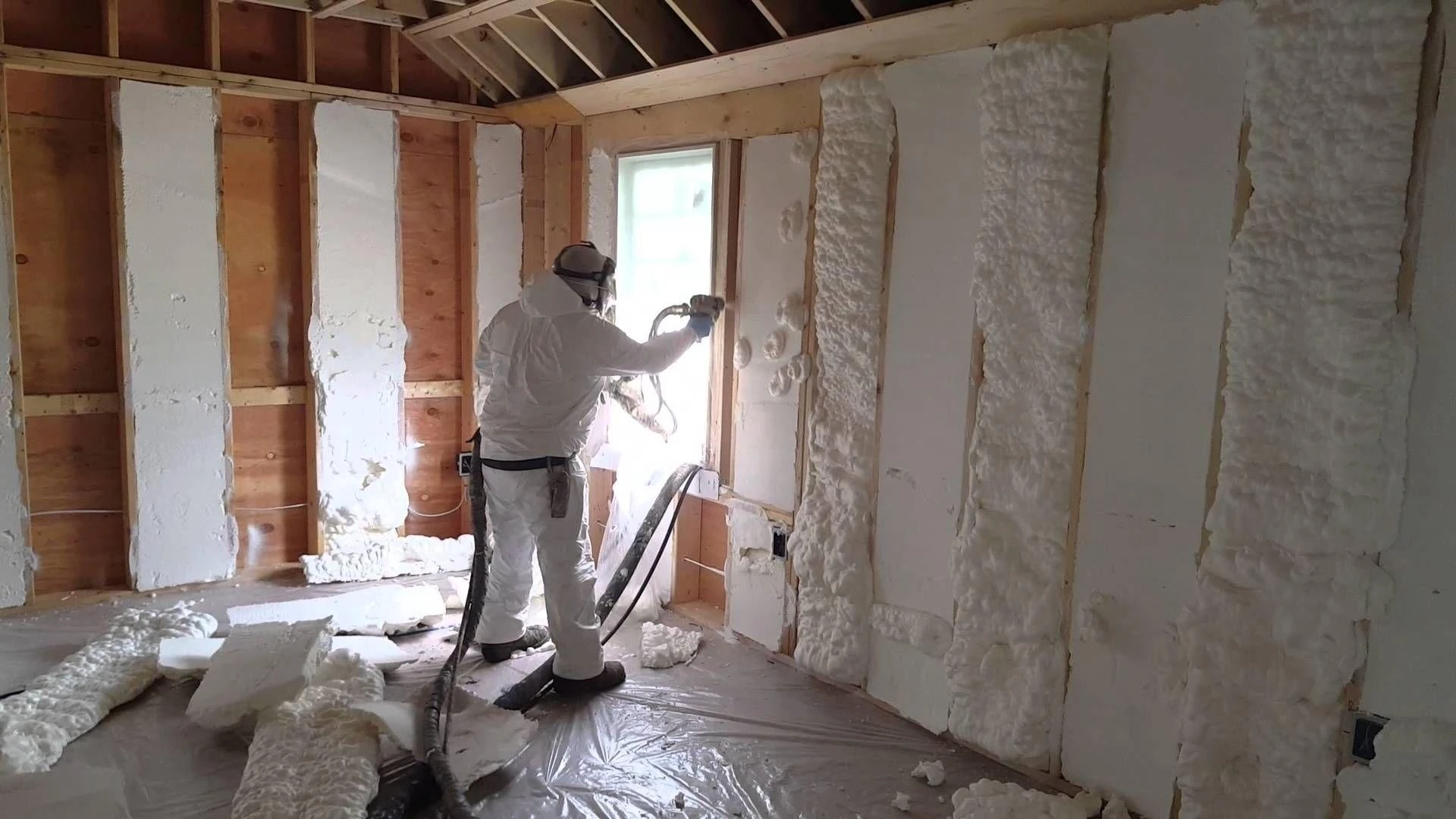
The Two-Part Acoustic Power of Open Cell Spray Foam
Open cell spray foam is uniquely suited to combat airborne noise because it tackles the problem from two angles at once.
1. Superior Sound Absorption
The physical structure of open cell foam is what makes it a fantastic sound absorber. The material is made up of millions of tiny bubbles, or cells, that are intentionally left open. This creates a soft, porous, and irregular surface.
When airborne sound waves enter the foam, they have to travel through this complex maze of open cells. As they do, the sound energy causes the flexible walls of the cells to vibrate, which converts the acoustic energy into a tiny amount of heat. The sound wave essentially gets trapped and exhausted within the foam, with very little of its energy making it out the other side. This is highly effective at reducing echo and reverberation within a room and deadening the sound that passes through a wall.
2. An Airtight Seal to Block Airborne Noise
This is the most critical function for sound control. Sound needs a medium to travel through, and in a house, that medium is air. If you can stop the movement of air, you can stop the movement of sound.
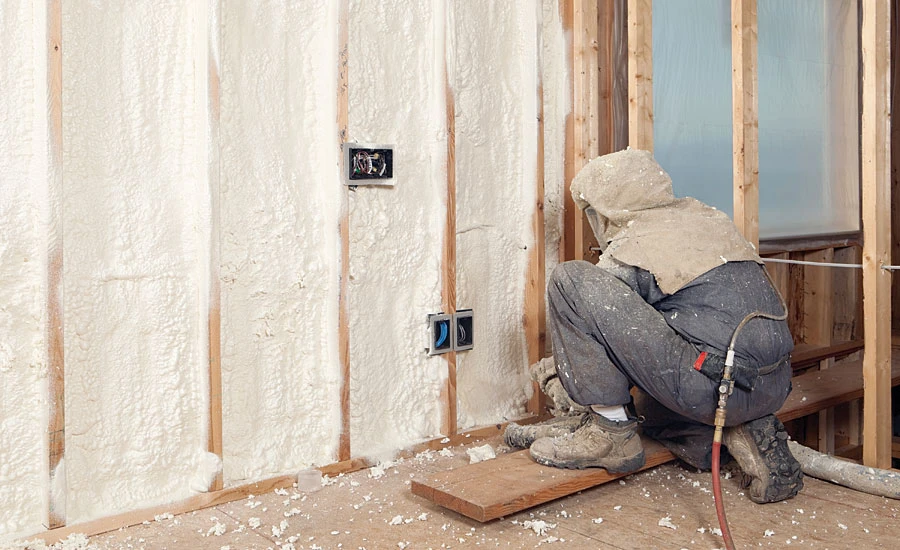
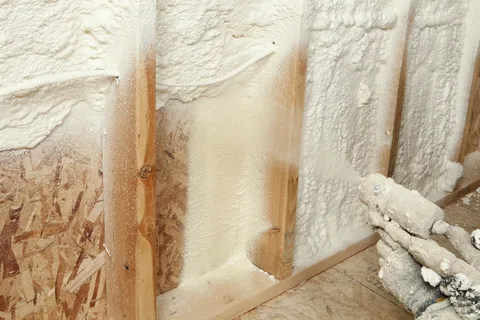
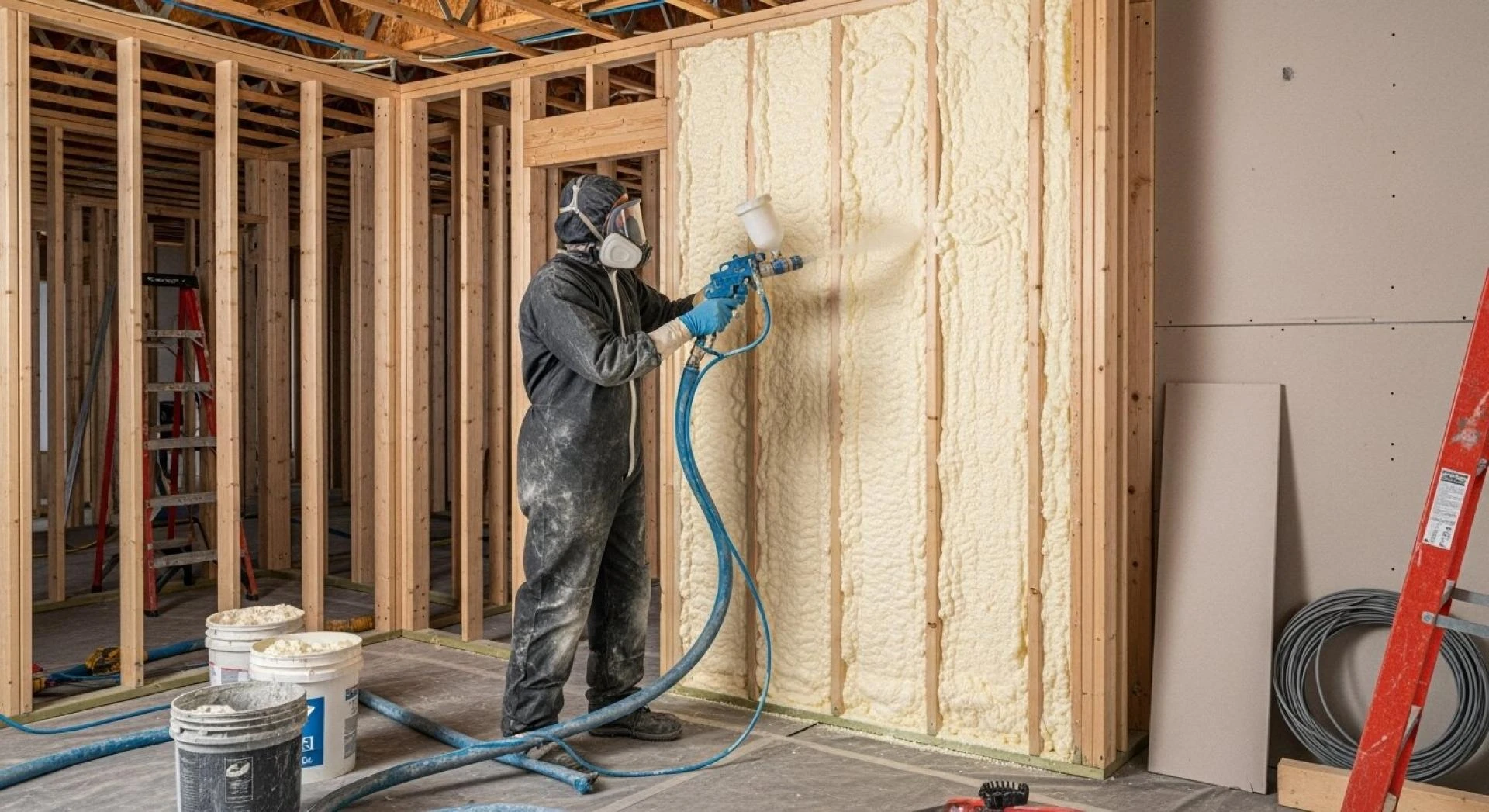
When open cell spray foam is installed, it expands to fill every single crack and crevice in the building cavity. It adheres directly to the studs, the drywall, and any pipes or wires, creating a continuous, seamless air barrier. This eliminates the flanking paths that sound uses to bypass traditional insulation. By sealing these gaps, you are effectively closing the door on airborne noise, which is why a spray-foamed wall is so much quieter than a wall filled with conventional insulation batts, even if they have a similar thickness.
Bonus Tip: Even a 1% gap in the surface of a wall can let in up to 50% of the airborne sound. This is why the monolithic, gap-free nature of spray foam is so important for effective sound reduction.
Where to Use Open Cell Foam for Maximum Sound Reduction
While insulating an entire home with open cell foam will make the whole house quieter, it can also be used strategically to solve specific noise problems.
- Interior Walls: This is a perfect application. Insulating the walls between bedrooms, bathrooms, and a home office can create quiet, private spaces. It's especially effective for walls that contain plumbing pipes to reduce the sound of running water.
- Media Rooms and Home Theaters: To get the best audio experience and to keep the sound from disturbing the rest of the house, insulating the walls and ceiling of a media room with open cell foam is essential.
- Floors and Ceilings: Insulating the joist bays between floors is highly effective at reducing the transfer of airborne sound like conversations and TV noise from one level to another.
- Exterior Walls: If you live on a busy street or have noisy neighbors, insulating your exterior walls with open cell foam can dramatically reduce the amount of outside noise that gets into your home.
Comparing Acoustic Insulation Materials
Different insulation materials have very different acoustic properties. While closed-cell spray foam is a superior thermal insulator, its rigid, dense structure is less effective at absorbing sound than the soft, flexible structure of open cell foam.
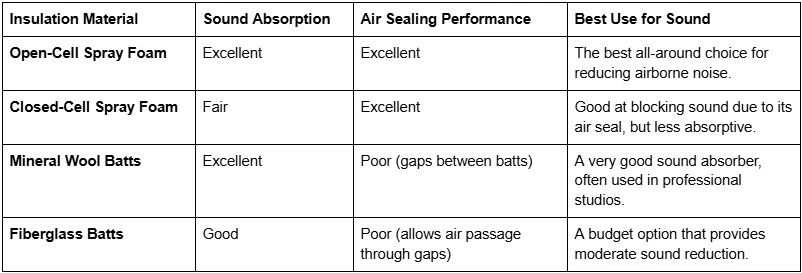
Bonus Tip: While mineral wool is an excellent sound absorber, it does not provide the critical air seal that spray foam does. For the best possible performance in a residential setting, the combination of sound absorption and air sealing from open cell foam is hard to beat.
Key Factors to Consider for Your Soundproofing Project
- It's Sound Reduction, Not "Soundproofing": It's important to have realistic expectations. Insulating with open cell foam will make your rooms dramatically quieter, but true "soundproofing" is a much more complex and expensive process that involves decoupling structures and adding significant mass. For most homeowners, the sound reduction provided by spray foam is more than enough to solve their noise problems.
- Addressing Structure-Borne Noise: Open cell foam is primarily for airborne noise. For heavy impact noises like footsteps from above, it helps, but additional measures like using a sound-dampening underlayment beneath the flooring or installing resilient channels on the ceiling may be needed for the best results.
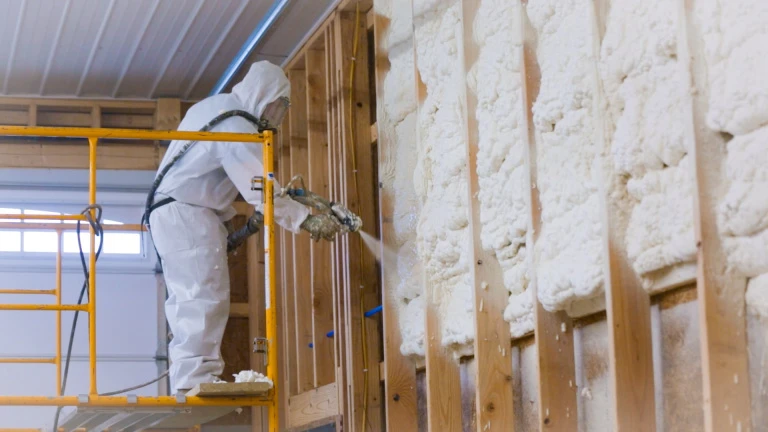
- The Importance of a Professional Installation: The acoustic benefits of spray foam are entirely dependent on the quality of the air seal. Only a certified, professional installer has the equipment and expertise to guarantee a complete, gap-free installation.
Frequently Asked Questions
Is open cell spray foam expensive?
Open cell spray foam has a higher upfront cost than traditional fiberglass or cellulose. However, it is generally less expensive to install than closed-cell spray foam. Many homeowners find that the combined benefits of thermal performance and sound reduction make it a very worthwhile investment.
Can I use open cell foam to insulate my entire house?
Yes, absolutely. It is an excellent thermal insulator and air barrier for use in walls, attics, and floors in most climate zones. It provides all the energy-saving benefits of spray foam along with the added bonus of superior sound control.
How much does it reduce noise?
The amount of noise reduction is measured by a rating called the Sound Transmission Class (STC). A standard, uninsulated interior wall has an STC rating of around 34. A wall properly insulated with open cell spray foam can have an STC rating of 50 or higher, which means that loud speech is completely inaudible.
Does the foam need to be a certain thickness for sound control?
For sound control, the most important thing is to completely fill the wall or floor cavity. For a standard 2x4 wall, this means installing 3.5 inches of foam. For a 2x6 wall, it would be 5.5 inches. A complete fill ensures the best possible sound absorption and air sealing.
Creating a More Peaceful Home Environment
A home should be a sanctuary, a place to relax and escape from the noise of the outside world. If your peace is being disturbed by noise from outside, from other rooms in your house, or from the floor above, open cell spray foam insulation is one of the most effective and permanent solutions available.
Get a Professional Acoustic Insulation Consultation
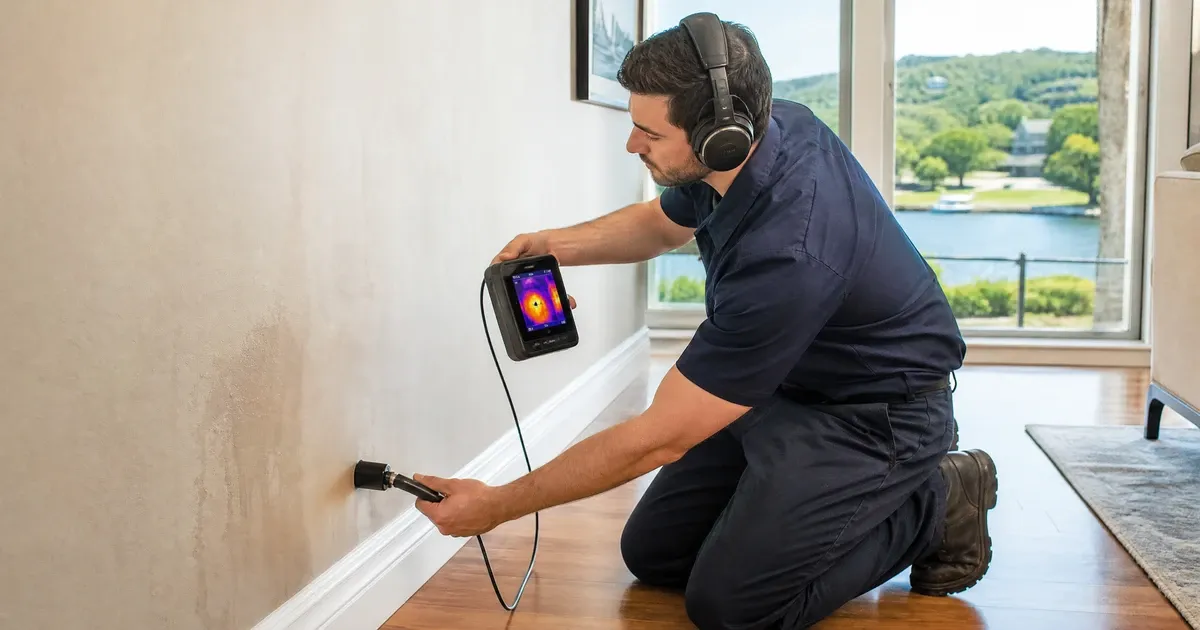
The best way to solve a noise problem in your home is to have an expert conduct a thorough assessment. A professional can help you identify the primary sound transmission paths and design a customized insulation plan to create the quiet, comfortable environment you're looking for.
The team at Lamothe Spray Foam Insulation has extensive experience in using modern insulation materials to solve complex sound transfer issues. They can provide a clear explanation of your options and a detailed plan for your project. To schedule a comprehensive consultation, contact them at (508) 847-0119 or email [email protected]
Author: With over two decades of hands-on experience, Robert Lamothe, owner and lead installer of Lamothe Insulation, brings unparalleled expertise in spray foam insulation, carpentry, and building science. Since 2002, he has earned a reputation for precision, quality craftsmanship, and delivering energy-efficient solutions that stand the test of time. Lamothe Insulation is a family-owned and family-operated business, and Robert also owns the Goddard School of Auburn, an early childhood education school.
Reviewer: Ethan Taylor has 8 years of experience in spray foam insulation. He reviewed this content and suggested ways to simplify business outreach while keeping trust and professionalism intact.

























Sign in to leave a comment.