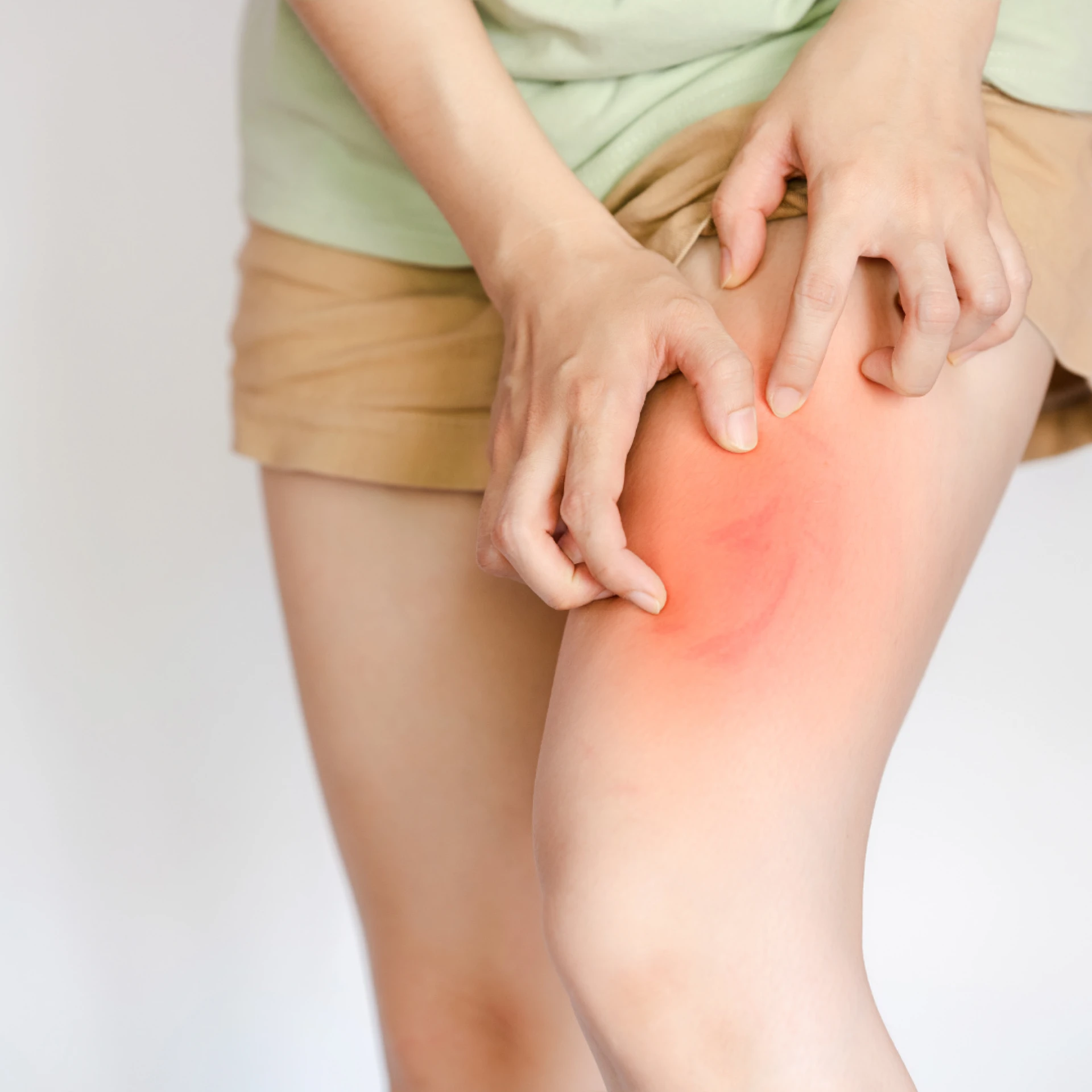

Skin allergies create common problems which affect both adults and children. These allergic reactions develop because the immune system reacts excessively against normal substances including pollen dust mites or specific foods. The prevention of potential allergic reactions remains impossible sometimes yet several actions exist which minimize dangers and handle symptoms effectively.
Understanding Skin Allergies
The human body expresses allergic reactions through skin allergies which target primarily the skin tissue. An allergen triggers your immune response to mistake it as hostile to your body. The body produces chemicals including histamine after the allergic response begins resulting in several symptoms. The symptoms that result from allergic reactions present as a spectrum from moderate discomfort to intense conditions.
Common Types of Skin Allergies
- Atopic dermatitis (Eczema): This is a chronic condition characterized by itchy, red, and inflamed skin.
- Contact dermatitis: This occurs when the skin comes into direct contact with an irritant or allergen, such as chemicals, metals, or plants.
- Hives: These are itchy, raised welts that appear on the skin. They can vary in size and can appear suddenly.
- Angioedema: This is a condition that causes swelling beneath the skin, often around the eyes, lips, and tongue.
Also Read: Skin Allergy Types and Treatment | Dermatologist in Dwarka, Delhi
Identifying Triggers
Identifying your specific triggers is crucial for preventing skin allergies. Common triggers include:
- Allergens:
- Pollen: Tree pollen, grass pollen, and weed pollen are common triggers.
- Dust mites: These microscopic creatures live in dust and can trigger allergies in sensitive individuals.
- Pet dander: Animal dander, saliva, and urine can cause allergic reactions in some people.
- Mold: Mold spores are found in damp environments and can trigger allergies.
- Foods: Certain foods, such as nuts, shellfish, and eggs, can trigger allergic reactions in some individuals.
- Irritants:
- Soaps and detergents: Many soaps and detergents contain harsh chemicals that can irritate the skin.
- Cosmetics and personal care products: Fragrances, dyes, and other chemicals in cosmetics can irritate sensitive skin.
- Metals: Some people are allergic to certain metals, such as nickel and chromium.
- Latex: Latex is a natural rubber found in many products, including gloves and condoms.
Preventive Measures
While you may not be able to completely prevent skin allergies, you can take steps to minimize your exposure to triggers and reduce the severity of symptoms:
- Identify and Avoid Triggers:
- Keep a journal: Record your symptoms and potential triggers. This can help you identify patterns and pinpoint specific allergens.
- Allergy testing: Consider undergoing allergy testing to identify specific allergens that trigger your symptoms.
- Minimize Exposure to Allergens:
- Control your environment:
- Dust regularly: Use a HEPA filter vacuum cleaner to remove dust mites from carpets, rugs, and furniture.
- Wash bedding frequently: Wash bedding in hot water (at least 130°F) to kill dust mites.
- Keep your home clean and dry: Reduce moisture in your home to prevent mold growth.
- Avoid exposure to irritants: Use mild, fragrance-free soaps and detergents. Choose cosmetics and personal care products that are free of dyes and fragrances.
- Manage indoor air quality: Use air purifiers with HEPA filters to remove allergens from the air.
- Outdoor precautions:
- Check pollen counts: Stay indoors on days with high pollen counts.
- Wear a mask: Wear a mask when outdoors to reduce pollen exposure.
- Shower and change clothes after spending time outdoors: This will help remove pollen from your skin and hair.
- Skin Care:
- Moisturize regularly: Moisturizing your skin helps to maintain a healthy skin barrier and prevent dryness and irritation.
- Avoid harsh soaps and detergents: Use gentle, fragrance-free cleansers.
- Wear protective clothing. When outdoors, Wear long sleeves and pants to protect your skin from pollen and other allergens.
- Avoid scratching: Scratching can worsen irritation and increase the risk of infection.
Medical Management
In some cases, medical intervention may be necessary to manage skin allergies.
- Medications:
- Antihistamines: These medications help to block the effects of histamine, a chemical released by the body during an allergic reaction.
- Topical corticosteroids: These creams and ointments can help to reduce inflammation and itching.
- Antihistamine creams: These creams can provide temporary relief from itching and irritation.
- Immunotherapy (Allergy Shots): In some cases, immunotherapy may be recommended. This involves gradually introducing small amounts of the allergen to your body to build up tolerance.
Finding the Right Specialist
If you are experiencing persistent or severe skin allergies, it is important to consult with a qualified healthcare professional. A skin doctor in Delhi or a Best skin allergy specialist can accurately diagnose your condition and recommend the most appropriate treatment plan.
Skin Decor offers comprehensive skin treatment in Dwarka and can provide expert care for a wide range of skin conditions, including skin allergies. Our experienced dermatologists can help you identify your triggers, develop a personalized treatment plan, and manage your symptoms effectively.
Conclusion
While complete prevention may not always be possible, taking proactive steps to minimize exposure to triggers and manage symptoms can significantly improve your quality of life. By following these preventive measures and seeking professional guidance from a skin doctor in Delhi like Skin Decor, you can effectively manage your skin allergies and enjoy a healthier, more comfortable life.





















Sign in to leave a comment.