

A Macular Hole is a serious eye condition that affects the central part of your vision, making tasks like reading, recognizing faces, and driving more difficult. In this context, many patients ask what causes a macular hole and whether it is safe or even legal to continue driving after diagnosis.
Understanding the risks is essential because macular holes directly impact visual clarity, depth perception, and reaction time—all of which are critical for safe driving.
What is a Macular Hole?
A macular hole is a small break in the macula, the central part of the retina responsible for sharp, straight-ahead vision. When this area is damaged, the brain receives distorted or incomplete visual signals.
Common symptoms include:
1. Blurred or distorted central vision
2. Difficulty reading small print
3. Dark or empty spot in the center of vision
4. Straight lines appearing wavy
As the condition progresses, visual impairment can become significant enough to interfere with daily activities.
Can You Drive with a Macular Hole?
Whether you can drive depends on the severity of the condition and how much your central vision is affected. In the early stages, some individuals may still meet minimum visual standards for driving. However, as the hole progresses, driving becomes unsafe.
Key concerns include:
1. Reduced ability to see road signs clearly
2. Difficulty judging distances and speed
3. Delayed reaction to sudden obstacles
4. Increased risk of accidents in traffic or at night
Because driving heavily relies on central vision, even a small defect in the macula can significantly compromise road safety.
Safety Considerations for Drivers
If you have been diagnosed with a macular hole, consider the following safety guidelines:
1. Avoid driving at night or in low-light conditions
2. Do not drive if vision is distorted or blurry
3. Get regular eye check-ups to monitor progression
4. Use alternative transport if central vision is impaired
5. Avoid high-speed or heavy traffic areas
6. Never ignore sudden worsening of vision
From an eye-care perspective, ophthalmologists strongly recommend prioritizing safety over convenience when central vision is compromised.
Legal Considerations for Driving
Driving regulations vary by country, but most licensing authorities require a minimum standard of visual acuity and field of vision. If your vision does not meet these standards due to a macular hole, you may be legally required to:
1. Report your condition to the licensing authority
2. Undergo a vision fitness test
3. Restrict or suspend driving privileges temporarily
Failure to comply with visual fitness standards can lead to penalties or insurance issues in the event of an accident. Always consult a qualified eye specialist before making decisions about driving eligibility.
Treatment and Vision Recovery Outlook
Treatment options depend on severity and may include:
1. Observation in early cases
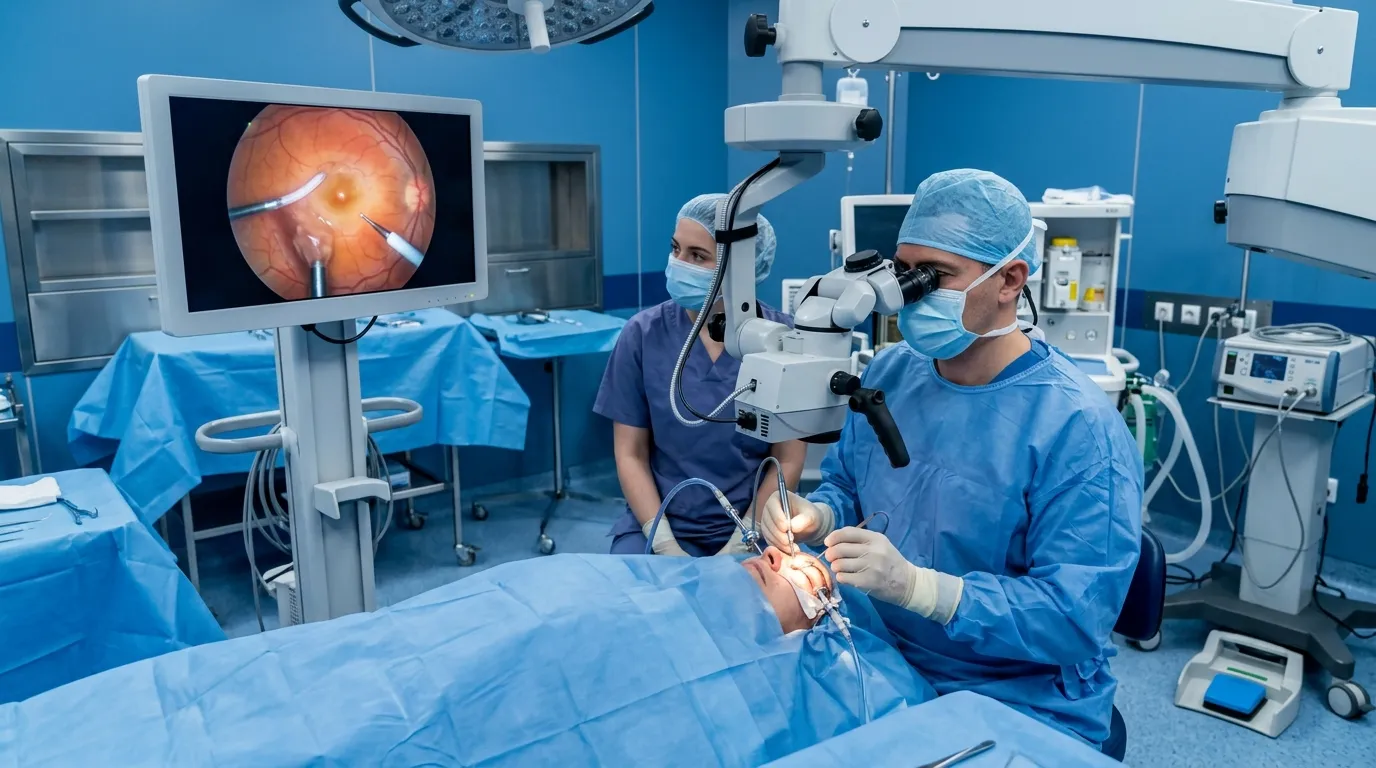
2. Vitrectomy surgery to repair the hole
3. Post-surgical recovery with improved central vision in many patients
Early diagnosis improves outcomes significantly. With timely intervention, many patients regain functional vision suitable for daily activities, though driving clearance depends on post-treatment visual results.
Wrapping Up
Driving with a macular hole is not a one-size-fits-all situation. In early stages, some individuals may still drive safely, but as central vision deteriorates, the risks increase significantly. Since a Macular Hole directly affects clarity and depth perception, it can compromise road safety and legal driving eligibility.
If you are wondering what causes a macular hole or how it affects your lifestyle, the safest approach is early consultation with an ophthalmologist. Prioritize vision health, follow medical advice, and avoid driving when your eyesight cannot guarantee safety for yourself and others on the road.





























Sign in to leave a comment.