

Living with Diabetic Macular Edema (DME) can feel overwhelming, especially when treatment is recommended. Many patients worry not just about outcomes, but also about pain during procedures. If you're considering care from a diabetic macular edema specialist in Saint Petersburg, understanding what to expect can help ease anxiety and support better decision-making.
What Is Diabetic Macular Edema?
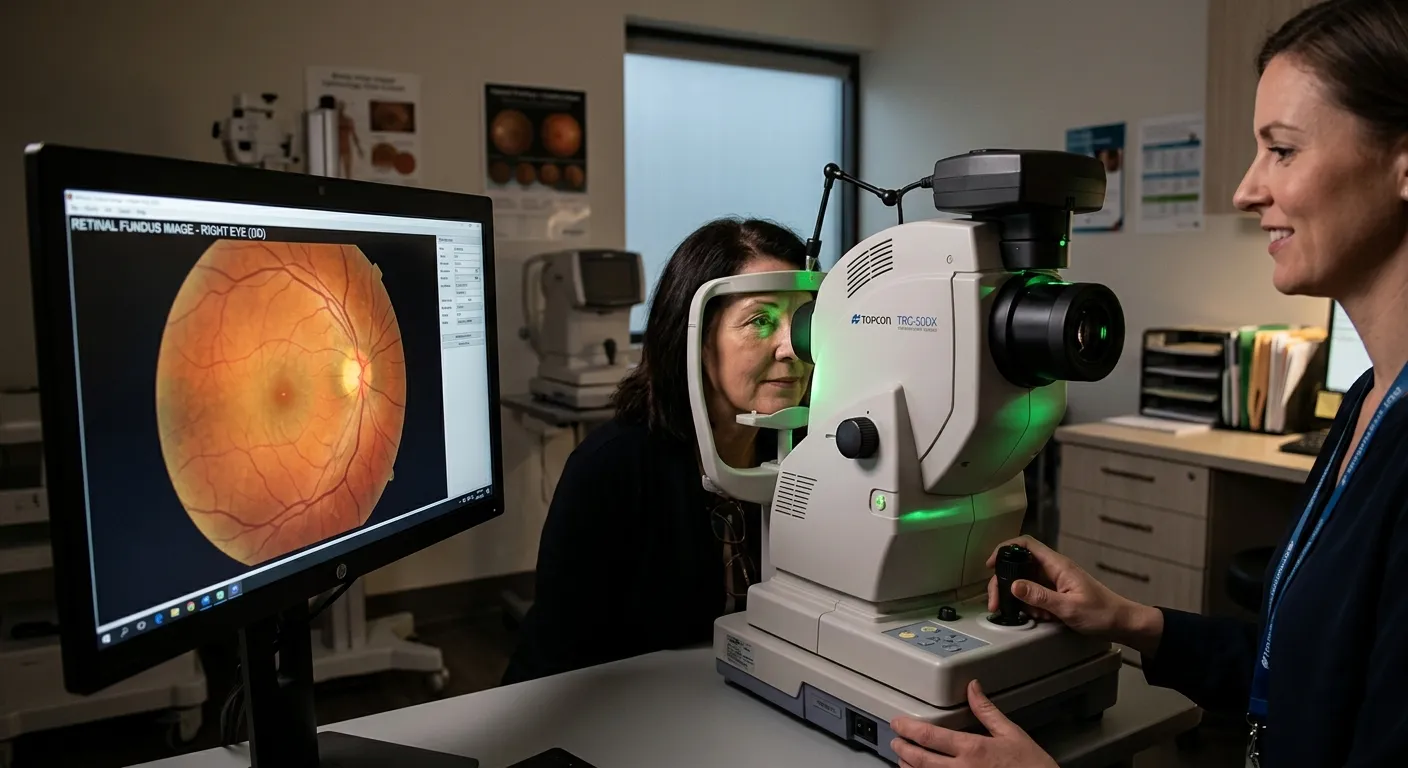
Diabetic Macular Edema is a complication of diabetes that affects the retina—the light-sensitive tissue at the back of the eye. It occurs when fluid leaks into the macula, causing swelling and blurred or distorted vision.
Common Symptoms Include:
1. Blurry or wavy vision
2. Difficulty reading or recognizing faces
3. Colors appearing washed out
4. Dark or empty spots in central vision
Early diagnosis and treatment are essential to prevent permanent vision loss.
Is DME Treatment Painful?
The short answer: most treatments for DME are not painful. Thanks to modern medical advancements, procedures are designed to be minimally invasive and comfortable for patients.
However, the level of discomfort can vary slightly depending on the type of treatment used.
Common Treatments for DME and What They Feel Like
1. Anti-VEGF Injections
These are the most common and effective treatments for DME. Medications are injected directly into the eye to reduce swelling and stop fluid leakage.
What to expect:
a. Numbing eye drops are applied beforehand
b. You may feel slight pressure, but not pain
c. The procedure takes only a few minutes
After-effects:
a. Mild irritation or redness
b. Temporary blurry vision
c. Slight watery eyes
2. Steroid Injections or Implants
Steroids help reduce inflammation in the retina and are sometimes used when Anti-VEGF therapy is less effective.
Comfort level:
a. Similar to Anti-VEGF injections
b. Numbing ensures minimal discomfort
3. Laser Therapy
Laser treatment seals leaking blood vessels and helps stabilize vision.
During the procedure:
a. You might see flashes of light
b. A mild stinging or warming sensation may occur
After the procedure:
a. Slight discomfort or sensitivity to light
b. Usually subsides quickly
Why DME Treatments Are Generally Comfortable
Modern ophthalmology prioritizes patient comfort. Here’s why most people report little to no pain:
a. Use of local anesthetics (numbing drops)
b. Quick, precise procedures
c. Advanced technology for accuracy
d. Experienced specialists ensuring gentle handling
Managing Anxiety About Eye Treatments
Even if the procedure isn’t painful, it’s natural to feel nervous. Here are a few ways to stay calm:
a. Ask your doctor to explain each step
b. Practice deep breathing techniques
c. Bring a friend or family member for support
d. Focus on the long-term benefit of preserving vision
When to Speak to Your Specialist
You should contact your eye doctor if you experience:
a. Severe pain after treatment
b. Sudden vision loss
c. Increased redness or swelling
d. Signs of infection
These complications are rare but require immediate attention.
Benefits of Timely Treatment
Choosing early treatment for DME offers significant advantages:
a. Prevents permanent vision loss
b. Improves clarity and quality of vision
c. Reduces disease progression
d. Enhances daily life and independence
Wrapping Up
Treatment for Diabetic Macular Edema is generally not painful, and most patients tolerate it very well. While there may be mild discomfort during or after certain procedures, modern techniques ensure a safe and comfortable experience. The key is not to delay care—early intervention can make a significant difference in preserving your vision.































Sign in to leave a comment.