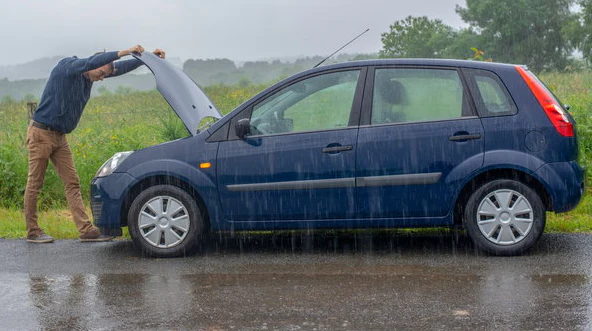

A dead car battery can happen at the worst possible time, and sometimes that moment arrives during bad weather. One common question drivers ask is: can you jump start a car in the rain? The short answer is yes, it is generally safe to jump start a car in light or moderate rain, as long as proper precautions are taken.
Modern vehicles and jump starters are designed with safety in mind, but understanding the correct procedure is essential to avoid electrical hazards or damage to your vehicle.
Is It Safe to Jump Start a Car in Wet Conditions?
Car batteries typically operate at a low voltage of around 12 volts, so the risk of electric shock is very small when the equipment is used correctly. Rain alone does not make jump starting a vehicle unsafe. However, wet conditions can increase the possibility of errors if jumper cables or clamps are handled improperly.
To stay safe, drivers should make sure the battery terminals are clean and securely connected before starting the process. It is also important to prevent the clamps from touching each other while they are attached to the battery. In addition, avoid attempting a jump start in areas with standing water or heavy flooding, as excessive moisture may interfere with electrical components in the engine compartment.
Using a Portable Jump Starter in the Rain
Portable lithium jump starters have become increasingly popular because they eliminate the need for a second vehicle. Instead of connecting jumper cables to another car, drivers can simply connect the jump starter directly to the battery.
Many modern units include built-in protections such as reverse polarity protection, short circuit protection, and spark-proof technology. Compact portable jump starters from brands like LIFMOCER are designed with these safety features to help drivers start a vehicle quickly even during unexpected roadside situations.
Still, it is important to keep the device itself as dry as possible and avoid placing it directly on wet ground.

Steps to Jump Start a Car Safely in the Rain
If you need to jump start a vehicle during rainy weather, follow these basic steps:
First, turn off the engine and all electrical components such as headlights and air conditioning. This helps reduce the load on the battery.
Next, connect the red clamp to the positive battery terminal and the black clamp to the negative terminal or a metal grounding point on the vehicle frame.
Once the clamps are securely attached, power on the jump starter and attempt to start the engine. If the vehicle does not start immediately, wait a short period before trying again.
After the engine starts successfully, remove the clamps in reverse order and allow the car to run for several minutes so the alternator can recharge the battery.
Important Safety Tips
Even though jump starting in the rain is possible, drivers should always take extra precautions in wet conditions.
Avoid touching the metal parts of the clamps during the process. Wearing insulated gloves can provide additional safety. It is also important to keep the jump starter and cables away from puddles or heavy water exposure.
If the battery shows signs of damage such as leaks, cracks, or swelling, do not attempt to jump start the vehicle.
Final Thoughts
So, can you jump start a car in the rain? In most cases, the answer is yes. With proper equipment and careful handling, jump starting a vehicle during rainy weather is generally safe.
Portable jump starters have made the process even easier, allowing drivers to handle battery emergencies without relying on another vehicle. By understanding the correct steps and basic safety precautions, drivers can stay prepared for unexpected roadside situations regardless of the weather.


























Sign in to leave a comment.