

Nothing makes summer driving more uncomfortable than an air conditioner that blows warm air instead of cool air. Whether you're commuting to work or heading out on a road trip, a properly functioning vehicle air conditioning system improves comfort and helps drivers stay focused during hot weather.
If your car AC isn't blowing cold air, the problem may be caused by low refrigerant due to a leak, a failing compressor, restricted airflow, electrical issues, or another component within the air conditioning system. While some maintenance tasks are straightforward, diagnosing the exact cause usually requires specialized equipment.
Quick Answer
If your car's air conditioner isn't cooling properly, the most common causes include refrigerant leaks, compressor problems, condenser damage, electrical faults, or a clogged cabin air filter. Because automotive AC systems are sealed, refrigerant should not normally need to be "topped off." If cooling performance declines, the system should be inspected to identify and repair the underlying issue before recharging it.
Key Takeaways
- Low refrigerant usually indicates a leak rather than normal refrigerant loss.
- Weak airflow can result from a clogged cabin air filter.
- Compressor or electrical problems often require professional diagnosis.
- Early repairs can help prevent more extensive AC system damage.
- Routine inspections help maintain reliable cooling performance throughout the summer.
How Does a Vehicle Air Conditioning System Work?
A vehicle's air conditioning system removes heat from the cabin by circulating refrigerant through a closed loop of components.
The primary components include:
- Compressor
- Condenser
- Expansion valve or orifice tube
- Evaporator
- Refrigerant lines
- Cabin air filter
The compressor pressurizes refrigerant, which releases heat through the condenser before cooling and circulating through the evaporator. A malfunction in any of these components can reduce cooling performance or stop the system from producing cold air altogether.
Common Reasons Your Car AC Isn't Blowing Cold Air
1. Refrigerant Leak
One of the most common causes of poor cooling is a refrigerant leak.
Leaks may develop in:
- Rubber hoses
- O-rings
- Compressor seals
- Condenser
- Evaporator
Because automotive air conditioning systems are sealed, refrigerant is not consumed during normal operation. If refrigerant levels are low, the system should be inspected for leaks before additional refrigerant is added.
2. Failing AC Compressor
The compressor circulates refrigerant throughout the AC system.
Signs of compressor problems include:
- Warm air from the vents
- Clicking, squealing, or grinding noises
- Compressor clutch not engaging
- Intermittent cooling
In some cases, an internal compressor failure can circulate metal debris through the AC system, increasing repair complexity if not addressed promptly.
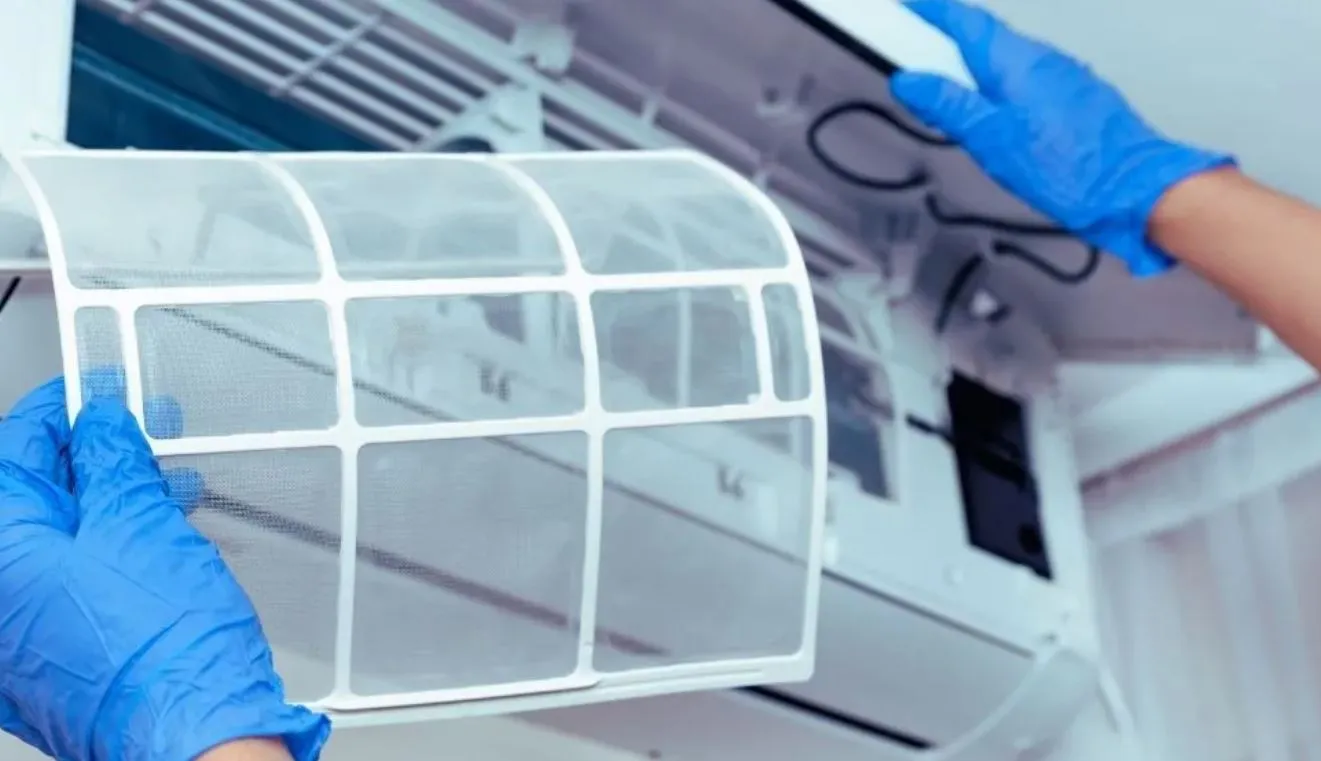
3. Dirty Cabin Air Filter
A clogged cabin air filter restricts airflow entering the passenger compartment.
Symptoms include:
- Weak airflow
- Reduced cooling efficiency
- Dust inside the cabin
- Musty odors
Replacing the cabin air filter according to the vehicle manufacturer's maintenance schedule helps maintain proper airflow.
4. Damaged or Blocked Condenser
The condenser is mounted near the front of the vehicle where it is exposed to:
- Road debris
- Dirt
- Leaves
- Insects
- Small rocks
Blocked airflow or physical damage reduces the condenser's ability to release heat, resulting in warmer air inside the vehicle.
5. Electrical Problems
Modern vehicles rely on electronic controls to operate the air conditioning system.
Potential electrical issues include:
- Blown fuses
- Faulty relays
- Pressure switches
- Damaged wiring
- Malfunctioning sensors
Many newer vehicles can store diagnostic trouble codes (DTCs), which help technicians identify electrical faults affecting the climate control system.
6. Blend Door or Climate Control Issues
Some cooling problems originate inside the dashboard rather than the refrigerant system.
A malfunctioning blend door actuator may prevent cool air from reaching the vents, even when the AC system itself is functioning correctly.
Signs You May Need Automotive AC Repair
Watch for these warning signs:
- Warm air from the vents
- Weak airflow
- Cooling only while driving
- Unusual noises when the AC is on
- Musty or burning odors
- Water leaking into the cabin
- Frequent compressor cycling
- Cooling performance that gradually declines
Addressing these symptoms early may help prevent more extensive repairs.
Can You Fix It Yourself?
Some routine maintenance tasks are suitable for vehicle owners, including:
- Replacing the cabin air filter
- Removing leaves or debris from around the condenser
- Checking for obvious damage around accessible AC components
However, diagnosing refrigerant leaks, recovering refrigerant, and servicing the AC system typically require specialized tools and training. Refrigerant handling is regulated, and improper servicing can affect system performance and the environment.
Why Summer Often Reveals Existing AC Problems
High outdoor temperatures don't usually damage an air conditioning system by themselves. However, they place greater demand on the system, making existing issues more noticeable.
Summer heat often exposes problems such as:
- Small refrigerant leaks
- Worn compressor components
- Weak airflow
- Electrical faults
- Restricted condenser airflow
Scheduling an inspection when cooling performance first changes may help avoid more extensive repairs later.
What Happens During a Professional AC Inspection?
A qualified technician may perform:
- Visual inspection of AC components
- Refrigerant pressure testing
- Leak detection
- Electrical system testing
- Compressor performance testing
- Vent temperature measurement
- Airflow inspection
This systematic approach helps identify the root cause rather than replacing parts based on guesswork.
Preventive Maintenance Tips
You can help keep your vehicle's air conditioning system operating efficiently by:
- Running the AC periodically throughout the year
- Replacing the cabin air filter at recommended intervals
- Keeping the condenser free of debris
- Addressing unusual noises promptly
- Having cooling performance evaluated if it noticeably changes
Preventive maintenance may extend component life and reduce the likelihood of unexpected breakdowns during hot weather.
Frequently Asked Questions
Why is my car AC blowing warm air?
The most common causes include refrigerant leaks, compressor problems, condenser damage, electrical faults, or restricted airflow caused by a clogged cabin air filter.
Does refrigerant run out over time?
No. Automotive air conditioning systems are sealed. If refrigerant is low, there is typically a leak that should be located and repaired before the system is recharged.
How often should a vehicle's AC system be inspected?
While maintenance schedules vary by manufacturer, it's a good idea to have the system inspected if cooling performance changes, unusual noises develop, or as part of routine vehicle maintenance.
Can a dirty cabin air filter reduce AC performance?
Yes. A clogged cabin air filter can restrict airflow, making the air conditioner feel less effective even if the cooling system itself is functioning properly.
Final Thoughts
A vehicle's air conditioning system relies on several interconnected components to deliver consistent cooling. When your car stops blowing cold air, the underlying cause may range from a clogged cabin air filter to a refrigerant leak or compressor issue.
Recognizing the early warning signs and having the system inspected promptly can help prevent larger repair costs and restore reliable cooling. Choosing an experienced automotive repair shop with the proper diagnostic equipment ensures the issue is identified accurately and repaired according to industry best practices.
Frequently Asked Questions
What causes my car's air conditioner to blow warm air?
The most common causes for a car's AC blowing warm air include refrigerant leaks, compressor issues, condenser damage, electrical problems, or a clogged cabin air filter that restricts airflow. Diagnosing the exact cause usually requires a professional inspection.
Should I be concerned if my car's refrigerant is low?
Yes, low refrigerant typically indicates a leak, as automotive air conditioning systems are sealed and should not lose refrigerant over time. It's essential to locate and repair any leaks before recharging the system.
How often should I get my car's AC system checked?
While maintenance schedules can vary, it's advisable to have your AC system inspected if you notice changes in cooling performance or unusual noises. Regular inspections as part of routine vehicle maintenance can also help ensure optimal performance.
Can a dirty cabin air filter impact my AC's cooling efficiency?
Absolutely. A clogged cabin air filter can restrict airflow into the passenger compartment, leading to reduced AC performance even if the cooling system is functioning properly. Regularly replacing the cabin air filter is recommended to maintain efficiency.
What should I do if my car AC is making strange noises?
Strange noises from the AC could indicate issues with the compressor or other components. It's best to have the system inspected by a qualified technician as soon as possible to prevent further damage.
Is it safe to attempt AC repairs myself?
While some basic maintenance tasks, like replacing the cabin air filter, can be done by vehicle owners, diagnosing refrigerant leaks or servicing the AC system usually requires specialized tools and training. Improper handling of refrigerant can also lead to environmental harm.
Why does my car AC perform poorly in summer?
High outdoor temperatures place greater demand on the AC system, which can amplify existing issues like small refrigerant leaks or weak airflow. Scheduling an inspection at the first sign of reduced performance can help avoid more extensive repairs later.





























Sign in to leave a comment.