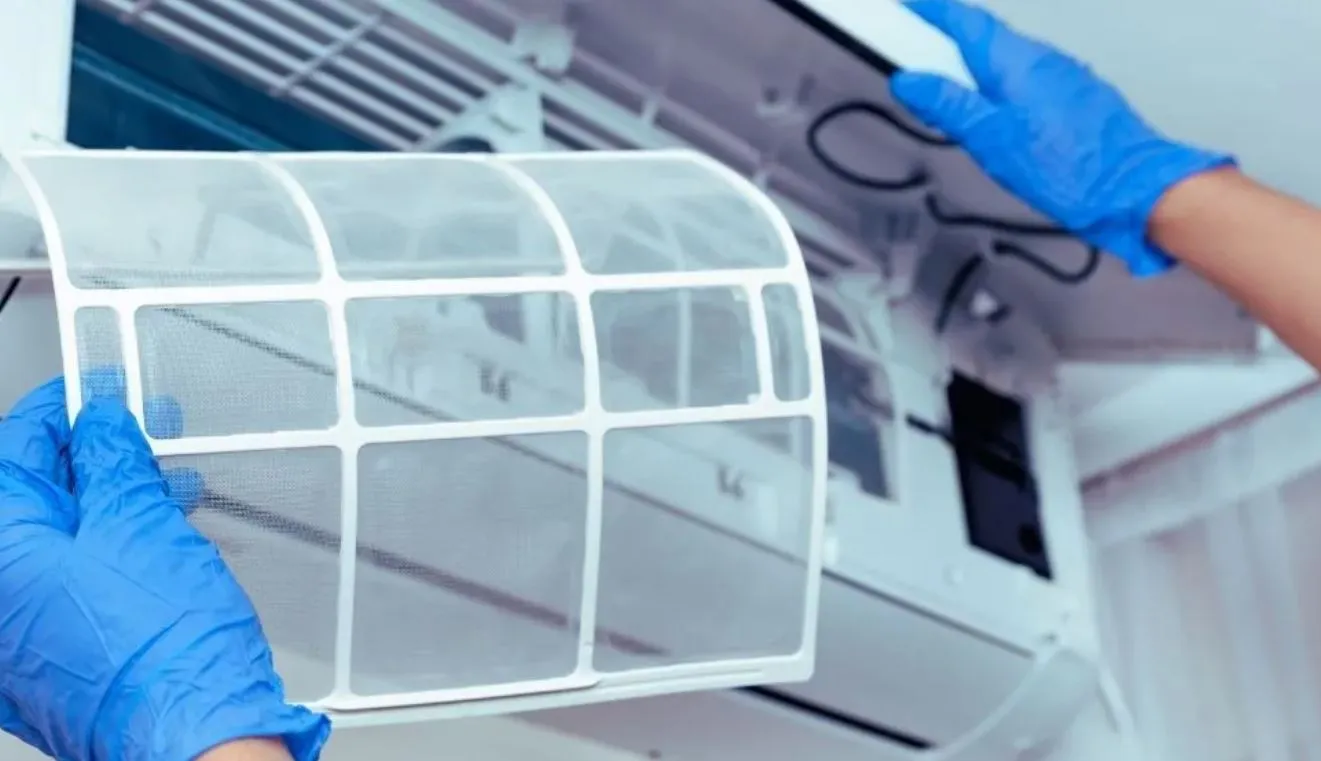

Southwest Ranches is known for its spacious properties, horse farms, riding trails, and rural atmosphere. While these features make the community unique, they also create challenges for residential HVAC systems. Dust from unpaved roads, horse arenas, landscaping activities, and year-round air conditioning use can cause air filters to load with debris more quickly than in many suburban neighborhoods.
If you're planning AC filter replacement in Southwest Ranches, choosing the right MERV rating—and replacing the filter at the right interval—can help maintain airflow, improve indoor air quality, and reduce unnecessary strain on your cooling system.
Quick Answer
For most homes in Southwest Ranches:
- MERV 8 works well for protecting HVAC equipment while maintaining good airflow.
- MERV 11 offers a good balance of dust filtration and airflow for homes with pets or moderate dust exposure.
- MERV 13 may be appropriate for households with allergy concerns or higher indoor air quality needs, provided the HVAC system is designed to accommodate the additional airflow resistance. Higher MERV ratings are not suitable for every residential system and should be selected based on manufacturer recommendations or guidance from an HVAC professional.
Why AC Filters Get Dirty Faster in Southwest Ranches
Unlike densely developed neighborhoods, Southwest Ranches has many large lots and equestrian properties. These surroundings can increase airborne particles entering homes.
Common sources include:
- Dust from horse arenas and paddocks
- Dirt from unpaved driveways and nearby roads
- Grass clippings and landscaping debris
- Tree pollen and seasonal plant material
- Pet hair and dander
- Construction dust from nearby property improvements
These particles are captured by the HVAC filter before they circulate through the system. As more debris accumulates, airflow gradually decreases, making the system work harder to maintain indoor comfort.
Why Standard 30-Day Filters May Not Last
Many inexpensive fiberglass filters are marketed for monthly replacement. However, replacement frequency depends on several factors, including filter type, system runtime, pets, indoor air quality goals, and the amount of dust in the surrounding environment.
In higher-dust settings like Southwest Ranches, filters may require inspection more frequently than the standard replacement schedule. A pleated filter with an appropriate MERV rating often provides better dust-holding capacity than basic fiberglass filters, but it should still be replaced according to its condition rather than the calendar alone.
Choosing the Right MERV Rating
MERV 8: A Reliable Choice for Many Homes
MERV 8 filters capture common household dust, pollen, and lint while allowing good airflow through most residential HVAC systems.
They are often a practical choice for homeowners who want dependable equipment protection without significantly increasing airflow resistance.
MERV 11: Added Protection for Dust and Pets
Homes with horses, pets, or heavier dust levels may benefit from MERV 11 filters.
These filters capture finer airborne particles while still maintaining a balance between filtration and airflow for many residential systems. Compatibility should always be confirmed with the HVAC manufacturer or a qualified technician.
MERV 13: Best for Specific Indoor Air Quality Needs
MERV 13 filters remove smaller particles than lower-rated filters and are commonly recommended where enhanced indoor air quality is desired.
However, because they create greater airflow resistance, not every residential HVAC system can operate efficiently with a MERV 13 filter. Installing one without confirming system compatibility may reduce airflow and affect system performance.
Signs Your AC Filter Needs Replacement
Rather than relying solely on a schedule, homeowners should inspect their filter regularly, especially during South Florida's long cooling season.
Common signs include:
- Reduced airflow from supply vents
- Longer cooling cycles
- Increased dust inside the home
- Higher utility bills
- A visibly dirty or discolored filter
- More frequent allergy or respiratory symptoms
Replacing a clogged filter before airflow becomes restricted helps support efficient system operation.
Why Annual HVAC Maintenance Matters
Changing the air filter is one of the simplest maintenance tasks a homeowner can perform, but it is only one part of keeping an HVAC system operating efficiently.
Annual professional maintenance typically includes:
- Inspecting the blower and evaporator coil
- Checking refrigerant performance
- Cleaning condensate drain components
- Testing electrical connections
- Verifying airflow
- Identifying worn components before they become larger repairs
For homes in dusty environments like Southwest Ranches, scheduled maintenance also provides an opportunity to evaluate whether the current filter type and replacement interval are appropriate for the property's conditions.
Many homeowners find that an annual HVAC maintenance plan helps keep filter replacement, seasonal tune-ups, and system inspections on a consistent schedule while reducing the likelihood of unexpected breakdowns during peak cooling season.
Frequently Asked Questions
What is the best MERV rating for AC filter replacement in Southwest Ranches?
For many homes, MERV 8 or MERV 11 provides an effective balance between filtration and airflow. MERV 13 may be appropriate if the HVAC system is designed to support it and improved indoor air quality is a priority.
How often should I replace my AC filter?
Replacement depends on the filter type, home environment, pets, and system usage. In higher-dust areas such as Southwest Ranches, inspecting the filter monthly is a good practice, even if replacement is not always needed.
Can a dirty filter affect cooling performance?
Yes. As filters become clogged, airflow decreases, causing the HVAC system to work harder and potentially reducing cooling efficiency.
Is a higher MERV rating always better?
No. Higher MERV filters capture smaller particles but also increase airflow resistance. The best choice depends on the HVAC system's specifications and indoor air quality goals.
Final Thoughts
Regular AC filter replacement in Southwest Ranches is especially important because local conditions—including equestrian properties, landscaping activity, and year-round cooling—can increase the amount of dust entering residential HVAC systems. Selecting the right MERV rating, inspecting filters regularly, and scheduling annual professional maintenance can help maintain efficient airflow, improve indoor air quality, and support long-term HVAC performance.
For homeowners who prefer a proactive approach, working with a reputable local HVAC company that offers preventive maintenance plans can simplify filter management, seasonal inspections, and routine system care throughout the year. This is an indirect, practical way to help keep your cooling system operating efficiently in Southwest Ranches.
























Sign in to leave a comment.