

Wisdom teeth, also known as third molars, usually emerge between the ages of 17 and 25. Many people assume that wisdom teeth always need to be removed, but this isn’t always the case. In fact, some individuals can keep their wisdom teeth without any complications.
So, how do you know if your wisdom teeth need to be removed or if you can keep them?
What Are Wisdom Teeth?
Wisdom teeth are the third set of molars located at the back of the mouth. They were essential for our ancestors, who had a rough diet that wore down teeth quickly. However, due to evolution, modern humans often do not have enough space in their jaws to accommodate these extra molars.
This lack of space can cause impaction, crowding, and pain, which is why wisdom teeth are commonly removed. However, if they grow properly and do not cause issues, you may be able to keep them.
When Can You Keep Your Wisdom Teeth?
Not everyone needs wisdom teeth removal. You may be able to keep your wisdom teeth if:
1. They Erupt Normally & Are Properly Aligned
✔ Wisdom teeth that come in straight and properly positioned do not usually need removal.
✔ If they do not crowd other teeth or affect your bite, they can remain in place without causing harm.
2. There’s Enough Space in Your Jaw
✔ If your jaw has sufficient space, your wisdom teeth can grow without disrupting nearby teeth.
✔ A dentist near me can check your jaw structure through X-rays to determine if there is enough room.
3. They Are Easy to Clean
✔ Wisdom teeth are located at the back of the mouth, making them harder to clean.
✔ If you can brush and floss them properly, you can keep them without increased risk of decay or infection.
4. They Are Healthy & Do Not Cause Pain
✔ If your wisdom teeth are not decayed, infected, or causing pain, they may not need removal.
✔ Regular dental check-ups will help ensure they remain healthy over time.
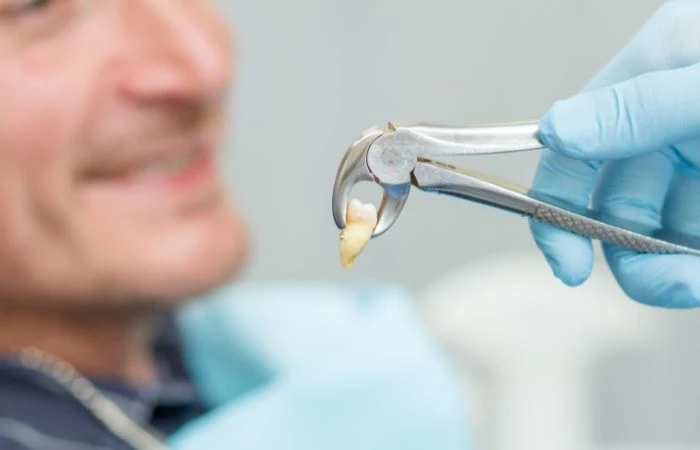
When Wisdom Teeth Removal is Necessary
While some people can keep their wisdom teeth, others may experience problems that require extraction. You may need wisdom teeth removal if:
1. They Are Impacted
A] Impacted wisdom teeth do not fully emerge from the gums due to lack of space.
B] This can lead to pain, swelling, infection, and cyst formation.
2. They Cause Crowding or Misalignment
A] If your wisdom teeth push against other teeth, they can cause crowding or shifting.
B] This can undo previous orthodontic treatments like braces or aligners.
3. There Is Decay or Gum Disease
A] Since wisdom teeth are at the back, they are hard to clean, making them more prone to decay.
B] Infections or gum disease around wisdom teeth can spread to other teeth.
4. You Experience Pain or Discomfort
A] Persistent pain or pressure in your jaw or gums is a sign that your wisdom teeth may need removal.
B] If left untreated, this can lead to severe infections and other complications.
5. They Are Causing Sinus Issues
A] Wisdom teeth in the upper jaw can press against sinuses, leading to pain, headaches, and congestion.
If you experience any of these issues, it’s best to consult the best dental clinic in Pune to determine whether removal is necessary.
Wisdom Teeth Removal Cost & Procedure
How Much Does Wisdom Teeth Removal Cost?
The wisdom teeth removal cost varies depending on factors such as:
1] The complexity of the extraction (simple vs. surgical).
2] The number of teeth being removed.
3] The clinic’s location and dentist’s expertise.
On average, the wisdom teeth removal cost in Pune starts from ₹1500.
Wisdom Teeth Removal Procedure
If your dentist recommends removal, here’s what you can expect:
1] Consultation & X-Rays – Your dentist will examine your teeth and take X-rays to determine the best approach.
2] Anesthesia – Local anesthesia is given to numb the area. In some cases, sedation may be used.
3] Extraction – The dentist removes the tooth. Surgical extractions may involve cutting the gum and removing bone.
4] Stitching & Healing – Stitches may be placed, and the healing process begins.
Does Wisdom Teeth Removal Hurt?
A common concern is wisdom teeth removal pain. However, modern anesthesia and sedation techniques ensure that the procedure is virtually painless.
You may experience mild pain, swelling, and discomfort for a few days after surgery, but this can be managed with:
✔ Painkillers prescribed by your dentist.
✔ Cold compresses to reduce swelling.
✔ Soft foods to avoid irritation.
✔ Proper oral hygiene to prevent infection.
Most people recover within a week, with complete healing taking a few weeks.
How to Take Care of Your Wisdom Teeth?
If you keep your wisdom teeth, follow these tips to maintain good oral health:
✔ Brush twice a day and floss properly.
✔ Use an antibacterial mouthwash to prevent infections.
✔ Visit the best dental clinic in Pune for regular check-ups.
✔ If you experience pain or swelling, see a dentist near me immediately.
Final Thoughts: Should You Keep or Remove Your Wisdom Teeth?
Keeping wisdom teeth is possible if they are healthy, properly aligned, and easy to maintain. However, if they cause pain, decay, or alignment issues, wisdom teeth removal is the best option.
To make the right decision, consult a dentist near me or visit the best dental clinic in Pune for a professional evaluation. Whether you keep or remove them, maintaining good oral hygiene is key to a healthy and confident smile!



























Sign in to leave a comment.