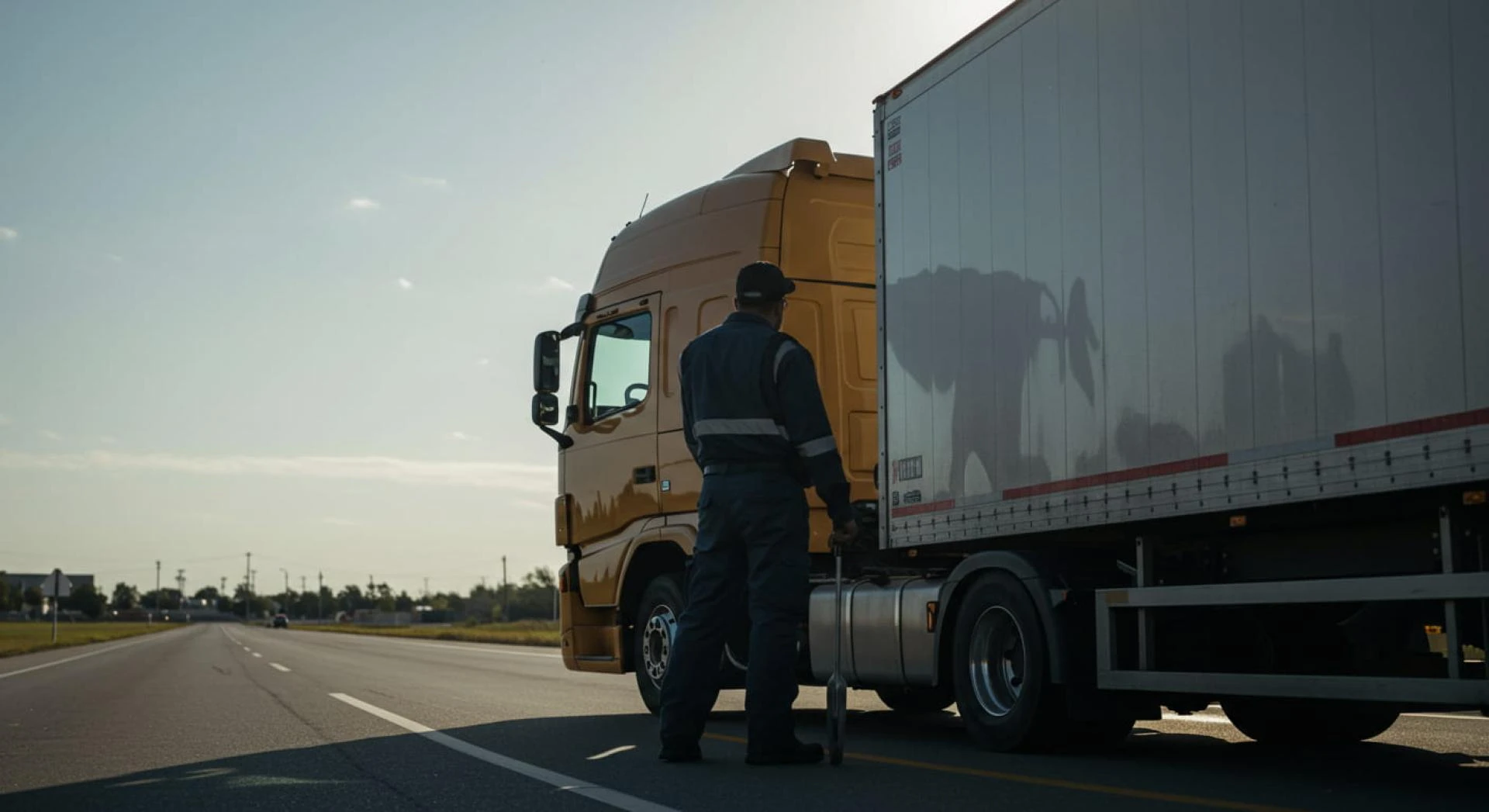

Commercial drivers are held to a higher standard than most due to the safety-sensitive nature of their work. So, when a trucker fails a drug test, the consequences can be immediate and severe—including the suspension of their CDL (Commercial Driver’s License). But does a single violation mean the end of your driving career?
Let’s explore what happens when a driver fails a drug test and how CDL suspension works under federal DOT regulations.
What Happens If You Fail a Drug Test?
Under the Department of Transportation (DOT) regulations, a failed drug test occurs when a commercial driver tests positive for any prohibited substances—such as marijuana, cocaine, amphetamines, opioids, or phencyclidine (PCP).
A failed test can happen in several scenarios:
- Pre-employment screening
- Random drug testing
- Post-accident testing
- Reasonable suspicion testing
- Return-to-duty or follow-up testing
Once a test is confirmed positive, the driver is immediately removed from safety-sensitive duties (i.e., you can't legally drive a commercial vehicle), and this action is reported to the FMCSA Clearinghouse.
Does a Failed Drug Test Lead to CDL Suspension?
A failed drug test doesn’t automatically revoke your CDL—but you are disqualified from operating any commercial vehicle until you complete the required steps of the DOT's return-to-duty process.
This is what most refer to as a CDL suspension, though it’s technically a disqualification from performing safety-sensitive functions. Your CDL license may still exist on paper, but you’re not legally allowed to use it until you're cleared by a DOT-qualified Substance Abuse Professional (SAP).
CDL Suspension: What It Means
A CDL suspension due to a failed drug test typically results in:
- Immediate removal from duty
- Notification to current or prospective employers
- Reporting to the DOT Clearinghouse
- Requirement to complete a DOT SAP evaluation and follow-up program
Note: If you refuse to take a DOT drug test, it's treated as a failure and results in the same consequences.
Can You Get Your CDL Back After a Failed Drug Test?
Yes, but only after completing the SAP return-to-duty process, which includes:
- Initial evaluation with a DOT-certified SAP
- Recommended education or treatment
- Follow-up evaluation confirming program completion
- Passing a return-to-duty drug test
- Completion of follow-up testing (minimum 6 unannounced tests in the first 12 months)
Once these steps are completed, you can legally return to commercial driving.
How Long Is CDL Suspension After Failing a Drug Test?
There’s no fixed timeframe—it depends on how quickly you:
- Complete your treatment or education program
- Pass your follow-up evaluation
- Submit a clean return-to-duty test
For most drivers, the CDL suspension can last anywhere from a few weeks to several months, depending on compliance and the SAP's recommendations.
Final Thoughts: Don’t Let One Mistake End Your Driving Career
Failing a drug test doesn’t have to mean the end of your career, but it does require swift and responsible action. The key to getting back on the road is completing a DOT SAP evaluation as soon as possible and complying with all return-to-duty requirements.
Need Help Starting Your SAP Evaluation?
At SAPValuate, we specialize in helping commercial drivers complete DOT-compliant SAP evaluations quickly and affordably. If your CDL has been suspended due to a failed drug test, let us help you navigate the path to reinstatement with ease.
✅ Same-Day Appointments
✅ Nationwide DOT-Certified SAPs
✅ Employer Coordination & Support






























Sign in to leave a comment.