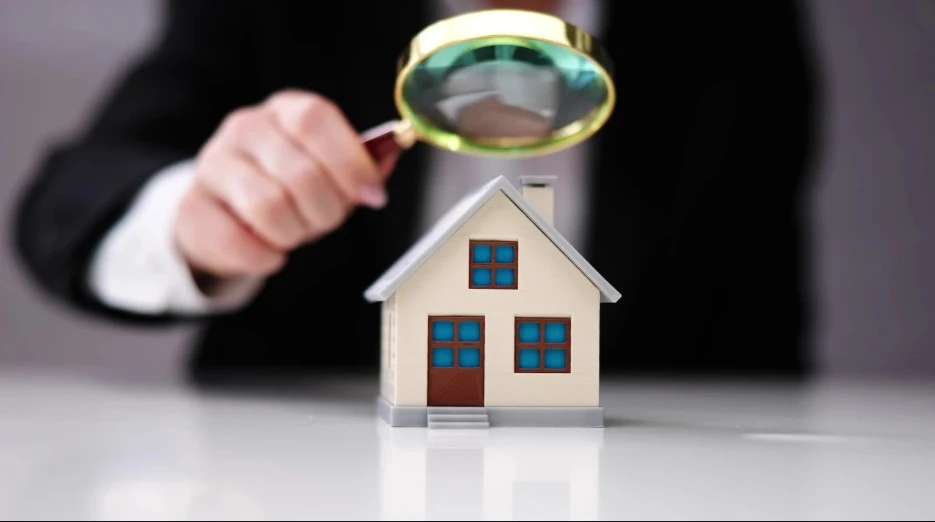

Buying or selling a home is one of life’s biggest investments—and it’s packed with stress, deadlines, and tons of paperwork. But in the middle of all that chaos, there’s one key person who can make or break the entire process: your home inspector.
Whether you're eyeing your dream home or preparing to list your property, a professional inspection is your best line of defense against hidden issues and future regrets. But how do you know if the inspector you’ve hired is the real deal?
Let’s dive into the five clear signs you’ve hired a trustworthy home inspector—plus everything else you should know about making a smart choice when it comes to protecting your property and your wallet.
Why a Good Home Inspector Matters More Than You Think
It might seem like just another checkbox in the homebuying or selling process, but a thorough home inspection can reveal major red flags—like structural problems, outdated electrical systems, or dangerous radon levels—that could cost you thousands down the road.
A reliable inspector isn’t just someone with a flashlight and a clipboard. They're trained professionals who understand building systems, codes, and safety standards. Their insights help you:
- Negotiate better
- Make confident decisions
- Avoid unexpected repair bills
That’s why finding the right inspector is absolutely critical—because the wrong one could miss what matters most.
1. They’re Properly Certified and Insured
One of the easiest ways to separate the pros from the pretenders? Check their certifications.
A top-notch inspector should be certified through recognized national organizations such as:
- InterNACHI (International Association of Certified Home Inspectors)
- ASHI (American Society of Home Inspectors)
- State licensing boards, where applicable
These certifications ensure the inspector has completed training, passed exams, and adheres to a professional code of ethics.
Bonus tip: Ask if they carry errors and omissions (E&O) insurance. This protects both you and them if something important gets missed.
2. They Provide a Detailed, Easy-to-Understand Report
A good inspector doesn’t just walk through the home and check boxes—they deliver a clear, comprehensive report that lays everything out.
Look for these features in a solid home inspection report:
- Photos or videos of key findings
- Color-coded summaries (e.g., red for urgent issues)
- Straightforward language you don’t need a degree to understand
- A summary page highlighting the biggest concerns
You should be able to use that report to make decisions confidently. If your inspector hands you a vague, two-page checklist—it’s a red flag.
3. They Encourage You to Attend the Inspection
Want a great sign you’ve got someone trustworthy? They actually want you there.
Attending the inspection gives you a chance to:
- Ask questions in real time
- See issues firsthand
- Learn about the home’s systems
The best inspectors love to educate their clients. If your inspector shrugs you off or says “just read the report later,” that’s a cue to look elsewhere.
4. They Have Great Reviews and Word-of-Mouth Referrals
Nothing speaks louder than a history of satisfied clients.
Before hiring, take a few minutes to check:
- Google reviews
- Yelp or Angie’s List
- Local Facebook groups
- Referrals from your real estate agent or friends
Look for patterns in feedback. Are people praising their thoroughness, communication, and honesty? Or are there complaints about missed issues or vague reports?
Pro tip: Beware of companies with dozens of five-star reviews posted within a few days. Authentic reviews tend to be more spaced out and detailed.
5. They Don’t Rush the Process
A rushed home inspection can leave dangerous gaps in your knowledge about the property.
Here’s what to expect from a thorough inspection:
- 2–4 hours minimum for a standard single-family home
- The inspector takes their time to access tight spaces like attics and crawlspaces
- They explain findings as they go, if you’re on-site
If someone promises to get in and out in 45 minutes or less? Run the other way.
What Makes a Bad Home Inspector?
Just like with any profession, not every home inspector is equally qualified—or honest.
Watch out for red flags like:
- Refusing to answer questions or provide credentials
- Downplaying serious issues during the inspection
- Offering repair services (a conflict of interest)
- Lack of insurance coverage
- Unclear or delayed reports
These are signs your inspector may be cutting corners—or working with a hidden agenda.
How Much Should a Home Inspection Cost?
In general, expect to pay between $300 and $500 for a standard home inspection. Prices vary depending on:
- Location
- Size and age of the home
- Additional services (e.g., radon testing, mold testing, sewer scope)
A lower-than-average price might be tempting—but remember, you’re investing in peace of mind. This is not the place to skimp.
Should You Use the Inspector Your Agent Recommends?
Many real estate agents have trusted relationships with inspectors they work with regularly. And in many cases, those recommendations are solid.
But it’s also worth asking:
- Do they have any financial relationship with the inspector?
- Can you get a list of three options, not just one?
You want someone who works for you, not someone who’s trying to help close the deal faster.
Specialized Inspections: Do You Need More Than the Basics?
A general home inspection is a great starting point—but depending on the house and location, you might need more specialized testing. Here are a few examples:
- Radon testing – especially in regions with known radon risks
- Mold and air quality assessments
- Sewer scope inspections – for older homes or homes with large trees
- Pest inspections – termites, carpenter ants, and rodents can be destructive
The right home inspector will tell you when these are worth considering—and recommend independent specialists if needed.
Questions to Ask Before Hiring a Home Inspector
Here’s a quick list of smart questions to ask before hiring someone:
- Are you licensed and certified?
- How long have you been inspecting homes?
- What’s included in the inspection?
- How long will the inspection take?
- When will I receive the report?
- Can I attend the inspection?
- Do you carry E&O insurance?
The way they answer can be just as telling as the answers themselves.
Conclusion: Trust Comes from Transparency, Credentials, and Communication
Can you trust your home inspector? If you’ve made it this far, now you know exactly what to look for—and what to avoid.
A trustworthy inspector is:
- Certified and insured
- Thorough and transparent
- Willing to educate you
- Highly reviewed
- Never in a rush
Buying or selling a home is stressful enough without second-guessing your inspection. Choose the right professional, and you’ll sleep easier knowing you made a smart, informed decision.
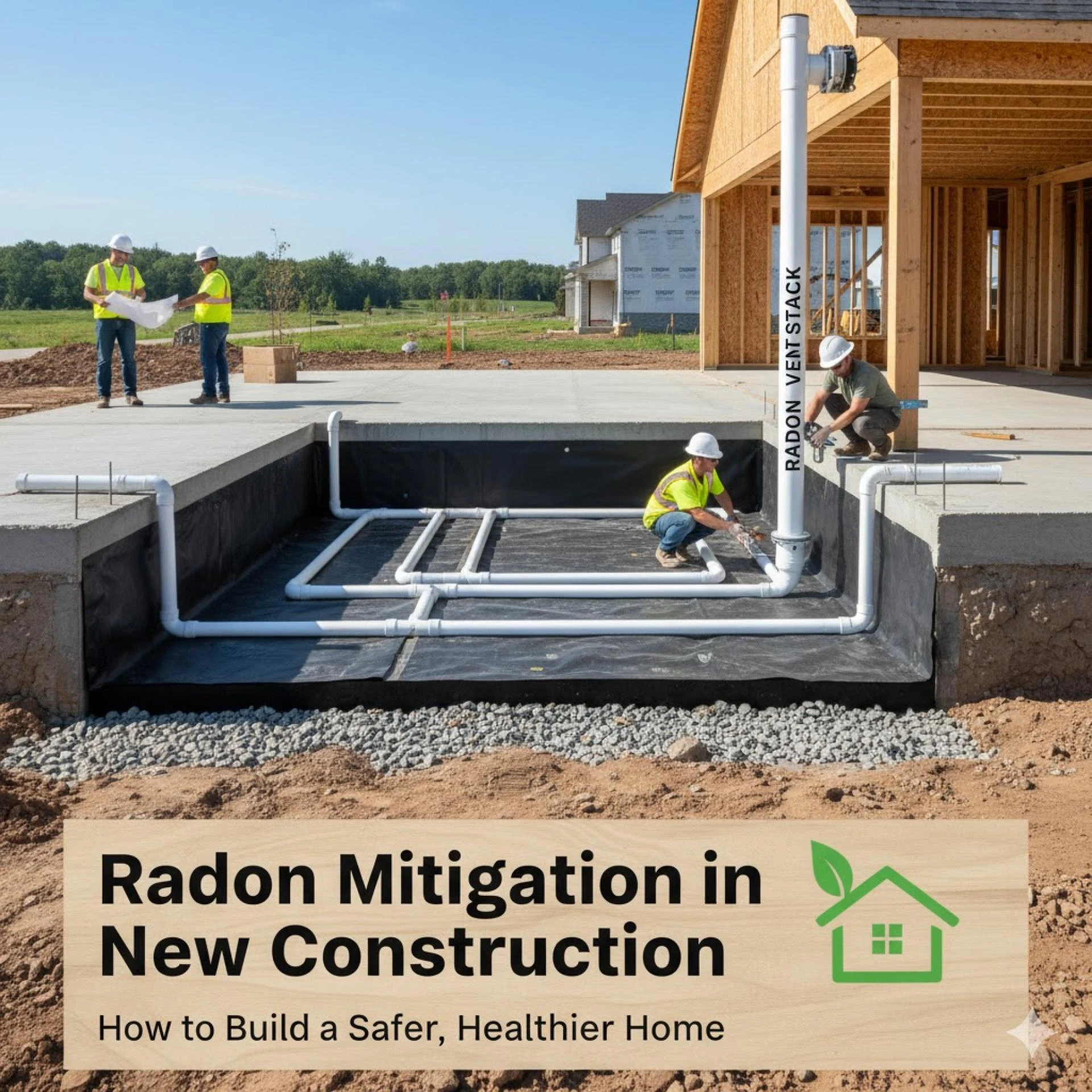
For specialized environmental safety checks—like radon testing—visit Fort Collins Radon Mitigation.
Because when it comes to your future home, it’s not just about what you see—it’s about what you don’t.











Sign in to leave a comment.