

Canada is a popular destination for skilled professionals looking for international career opportunities and long-term settlement options. However, applying for permanent residence is not simply a matter of submitting one form. Applicants need to understand the immigration program they may qualify for, prepare the right documents, meet language and other eligibility requirements, and follow the application process carefully.
For skilled workers, Express Entry is one of Canada's main systems for managing permanent residence applications. It covers three programs: the Federal Skilled Worker Program, the Federal Skilled Trades Program and the Canadian Experience Class.
This step-by-step guide explains the general Canada PR process through Express Entry in a simple way.
Step 1: Understand Which Immigration Program You May Qualify For
The first step is understanding whether you meet the requirements of an Express Entry program.
The three programs are:
Federal Skilled Worker Program
This program is generally designed for skilled workers with qualifying foreign or Canadian work experience who meet the program's eligibility requirements.
Canadian Experience Class
This pathway is for eligible skilled workers who have qualifying Canadian work experience.
Federal Skilled Trades Program
This program is intended for eligible skilled workers with qualifying experience in specific skilled trades.
Each program has its own requirements, so applicants should check the current eligibility criteria rather than assuming that having work experience automatically makes them eligible.
Step 2: Check Your Eligibility
Before creating an Express Entry profile, review the requirements that apply to your situation.
Your eligibility can depend on factors such as:
- Age
- Education
- Language ability
- Skilled work experience
- Occupation
- Canadian experience, where applicable
- Other program-specific requirements
Canada also provides an online tool to help prospective applicants determine whether they may qualify for Express Entry.
A useful approach is to make an eligibility checklist and verify each requirement using official Canadian immigration information.
Step 3: Take an Approved Language Test
Language ability is an important part of the Express Entry process.
Applicants may need an approved language test in English or French, depending on their circumstances and the program requirements. The test results are used when determining eligibility and calculating the Comprehensive Ranking System (CRS) score.
It is important to keep the test results valid and enter the information accurately in the profile.
A stronger language result can also affect an applicant's overall CRS score, so preparation before taking the test can be worthwhile.
Step 4: Get an Educational Credential Assessment if Required
If you completed your education outside Canada, you may need an Educational Credential Assessment (ECA) for immigration purposes.
An ECA helps determine how a foreign educational qualification compares with Canadian education standards for immigration purposes.
Not every applicant will have exactly the same ECA requirement, so it is important to check the rules applicable to your Express Entry program.
Canada's official Express Entry document checklist includes education credential assessments among the documents applicants may need.
Step 5: Calculate Your CRS Score
After checking eligibility, applicants should understand their potential Comprehensive Ranking System (CRS) score.
The CRS considers factors such as:
- Age
- Education
- Language skills
- Skilled work experience
- Other applicable factors
Canada ranks eligible Express Entry candidates using the CRS.
Your score is important because Express Entry invitations are issued through different rounds, and the minimum score can change from one round to another.
This means that being eligible for Express Entry does not automatically mean that you will receive an invitation to apply for permanent residence.
Step 6: Prepare Your Documents
Preparing documents early can make the application process easier.
Depending on your circumstances, documents may include:
- Valid passport or travel document
- Language test results
- Educational Credential Assessment
- Educational documents
- Employment reference letters
- Proof of work experience
- Proof of funds, where required
- Police certificates
- Job offer documents, where applicable
The exact documents required depend on the program and individual circumstances. Canada's official Express Entry guidance lists language results, education assessments, job offers, proof of funds and police certificates among relevant documents.
Employment reference letters should accurately reflect your actual employment history and job duties. Applicants should never create or alter documents to meet immigration requirements.
Step 7: Create Your Express Entry Profile
Once you have the required information and meet the relevant requirements, you can create an Express Entry profile through your IRCC account.
The general process involves:
- Preparing your documents and information.
- Signing in to your IRCC secure account.
- Entering your personal information.
- Completing the Express Entry profile.
- Reviewing the information carefully.
- Submitting the profile.
Canada's official instructions confirm that applicants can save their profile information and return to complete it before submitting the profile.
Accuracy is important because the information in your profile affects your eligibility and CRS score.
Step 8: Enter the Express Entry Pool
After submitting an eligible profile, you may enter the Express Entry pool.
Being in the pool means that your profile is available for consideration in applicable invitation rounds. It does not mean that permanent residence has been approved.
Candidates are ranked according to the CRS and considered during applicable rounds of invitations.
Step 9: Wait for an Invitation to Apply
Canada conducts different types of Express Entry invitation rounds.
These can include general rounds, program-specific rounds and category-based rounds. The type of round and eligibility requirements can vary.
If your profile is selected and you receive an Invitation to Apply (ITA), you can move to the next stage.
If you do not receive an invitation, you may need to consider ways of improving your profile or explore other immigration pathways for which you may qualify.
Step 10: Submit Your Permanent Residence Application
Receiving an ITA is an important stage, but the application is not complete yet.
After receiving an invitation, you need to complete the permanent residence application through your account and provide the required supporting documents.
According to Canada's current Express Entry instructions, an invitation is valid for 60 days, so applicants should begin preparing the application immediately after receiving it.
Applicants should carefully check every form and supporting document before submission.
Step 11: Complete Biometrics and Other Required Steps
Depending on your application, you may need to provide biometrics and complete other required procedures.
You should follow the instructions provided by Immigration, Refugees and Citizenship Canada (IRCC) after submitting your application.
If additional information or documents are requested, respond within the specified timeframe.
Step 12: Wait for a Decision
After the application is submitted, IRCC reviews the application and supporting information.
Applicants should regularly check their account for updates or requests.
Processing times can vary depending on the immigration program and circumstances, so applicants should refer to the official Canadian government website for the latest processing information rather than relying on old timelines.
Step 13: Prepare for Settlement in Canada
If your application is approved, there are still practical things to prepare before moving.
These may include:
- Travel arrangements
- Accommodation
- Financial planning
- Employment preparation
- Important personal documents
- Understanding settlement services
- Planning your initial expenses
Canada provides settlement information and services for newcomers, which can help approved applicants prepare for life in the country.
Common Mistakes to Avoid During the Canada PR Process
Providing Incorrect Information
Even a small mistake in your profile can create problems later. Review your information carefully before submitting it.
Using Outdated Information
Immigration requirements and policies can change. Always verify important information through official Canadian government sources.
Ignoring Document Requirements
Missing documents can delay an application or create additional complications.
Assuming Eligibility Means Approval
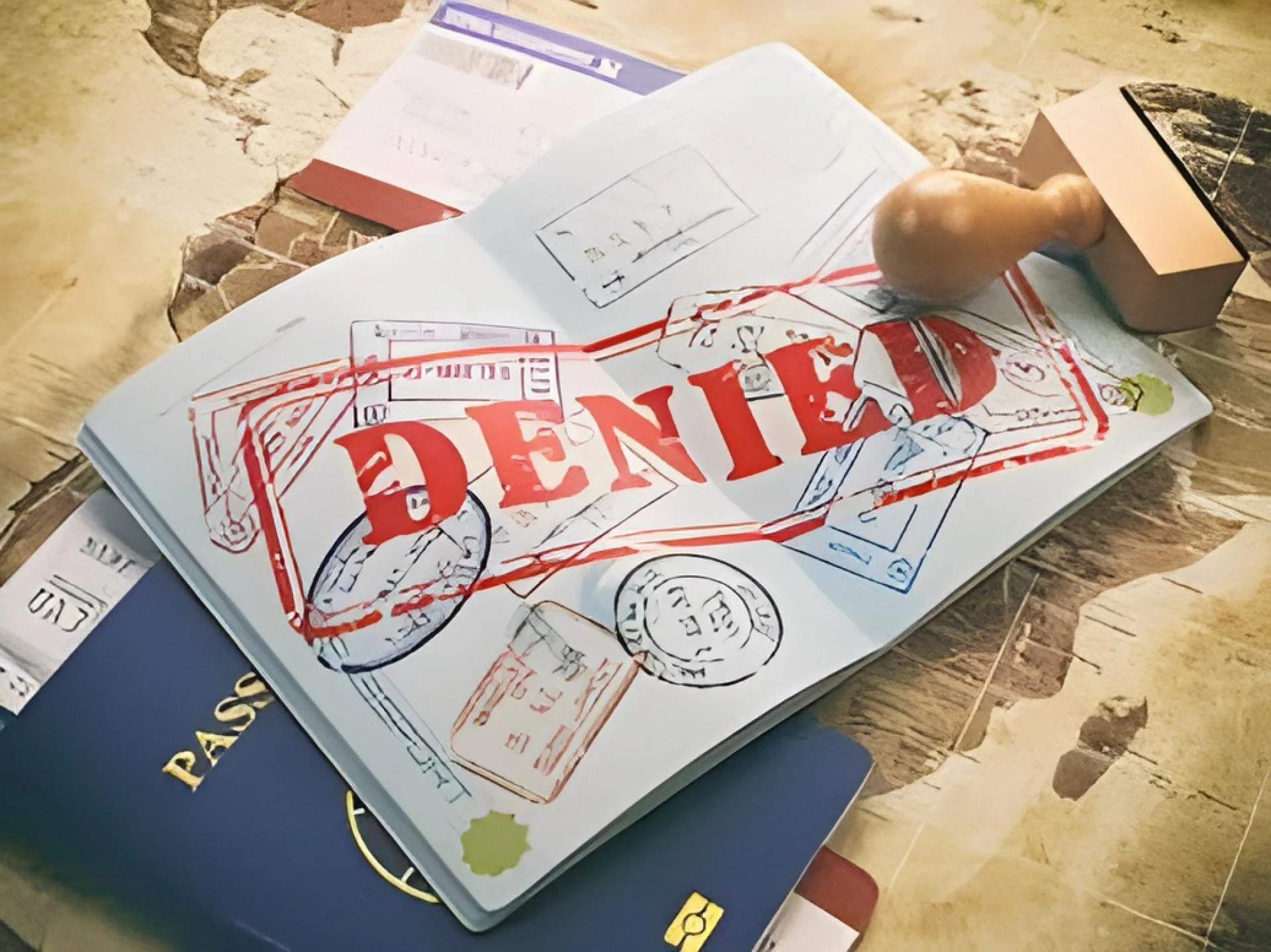
Meeting the minimum requirements for an immigration program does not guarantee an invitation or permanent residence approval.
Waiting Until the Last Minute
Language tests, educational assessments and document collection can take time. Starting early can make the process easier to manage.
Final Thoughts
The Canada PR process requires preparation, accurate documentation and a clear understanding of the immigration pathway that fits your circumstances. For skilled workers considering Express Entry, the journey generally involves checking eligibility, preparing language and education documents, assessing your CRS profile, creating an Express Entry profile, entering the pool, receiving an invitation if selected, and submitting a complete permanent residence application.
Because Canadian immigration rules can change, applicants should always verify current requirements through official Canadian government sources before making an important immigration decision.
For applicants who need help understanding their options, professional immigration guidance can also help them organize the process and identify the requirements relevant to their individual circumstances.





















Sign in to leave a comment.