Cancer is a condition that affects millions of people around the world. While hearing the word “cancer” can feel overwhelming, modern medicine has made great progress in diagnosing and treating different types of cancer. Patients today have access to several advanced treatment options that are designed to target cancer cells while protecting healthy tissue as much as possible. At Comprehensive Hematology Oncology, patients receive personalized care and treatment plans based on their specific condition and overall health.
If you or a loved one has recently been diagnosed, understanding your treatment options can help you feel more confident about the journey ahead. In this guide, we will explain the most common methods used for Cancer Treatment Tampa FL, including chemotherapy, radiation therapy, and immunotherapy.
Why Understanding Cancer Treatment Options Is Important
Every cancer diagnosis is unique. The type of cancer, the stage of the disease, and the patient’s overall health all play a role in determining the best treatment approach. Doctors often use one treatment method or a combination of therapies to achieve the best possible outcome.
When patients understand how these treatments work, they can make informed decisions about their care. Learning about modern Cancer Treatment Tampa FL options also helps reduce fear and confusion during the treatment process.
Medical specialists typically review several factors before recommending a treatment plan, including the location of the tumor, how quickly the cancer is growing, and whether it has spread to other parts of the body. By carefully evaluating these details, doctors can create a personalized treatment strategy that focuses on both effectiveness and patient comfort.
What Is Chemotherapy and How Does It Work?
Chemotherapy is one of the most widely used treatments for many types of cancer. It involves the use of powerful medications that destroy rapidly dividing cancer cells. These drugs travel through the bloodstream, allowing them to reach cancer cells throughout the body.
Chemotherapy may be used in different ways depending on the patient’s condition. In some cases, it is used before surgery to shrink tumors and make them easier to remove. In other situations, chemotherapy is given after surgery to eliminate any remaining cancer cells. Doctors may also use chemotherapy as the main treatment when surgery is not possible.
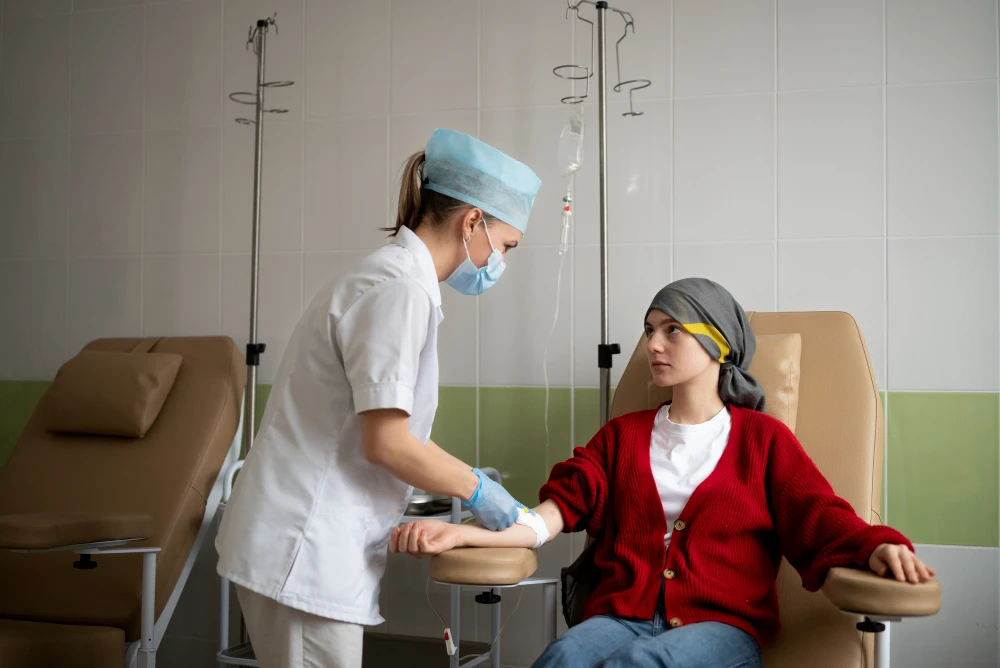
Patients receiving chemotherapy usually take the medication through an intravenous infusion, injection, or oral tablets. The treatment is often given in cycles, allowing the body time to rest and recover between sessions.
While chemotherapy can be very effective, it may cause side effects because it also affects some healthy cells. Common side effects include fatigue, nausea, hair loss, and changes in appetite. However, modern supportive care treatments can help manage these effects and improve comfort during therapy.
How Does Radiation Therapy Help Treat Cancer?
Radiation therapy is another important method used in modern cancer care. This treatment uses high-energy rays or particles to destroy cancer cells by damaging their DNA. When the DNA inside cancer cells is damaged, they can no longer grow or divide. Radiation therapy is typically focused on a specific area of the body. Because of this precision, it can effectively target tumors while minimizing damage to nearby healthy tissue.
Doctors may recommend radiation therapy in several situations. It can be used as the primary treatment for certain cancers, or it may be combined with surgery or chemotherapy to improve results. In some cases, radiation therapy is also used to relieve symptoms such as pain or pressure caused by tumors.
One of the major advantages of radiation therapy is that it is usually painless and performed as an outpatient procedure. Most sessions only take a few minutes, although patients may require multiple treatments over several weeks.
Advancements in medical technology have made radiation therapy safer and more precise than ever before. For many patients seeking Cancer Treatment Tampa FL, this therapy plays a crucial role in controlling and eliminating tumors.
How Immunotherapy Helps the Immune System Fight Cancer
Immunotherapy is one of the most exciting developments in modern cancer treatment. Instead of directly attacking cancer cells like chemotherapy or radiation, immunotherapy works by strengthening the body’s own immune system so it can recognize and fight cancer more effectively. The immune system naturally protects the body from infections and abnormal cells. However, cancer cells can sometimes hide from immune defenses. Immunotherapy helps the immune system identify these hidden cancer cells and destroy them.
There are several types of immunotherapy treatments available today. Some medications help activate immune cells so they can attack tumors. Others block signals that prevent immune cells from recognizing cancer cells. This treatment option has shown promising results for several types of cancer, including melanoma, lung cancer, and certain blood cancers. Researchers continue to study immunotherapy to expand its benefits for more patients in the future.
Because immunotherapy works differently from traditional treatments, it may cause different side effects. Some patients experience fatigue, skin reactions, or mild flu-like symptoms. However, many people tolerate immunotherapy well compared to other treatments.
Which Cancer Treatment Option Is Right for You?
Choosing the right cancer treatment is a decision that should always be made with the guidance of experienced medical professionals. Every patient’s situation is unique, and doctors carefully review diagnostic tests, imaging scans, and medical history before recommending a treatment plan. In many cases, a combination of therapies may provide the best results. For example, a patient might receive chemotherapy to shrink a tumor, followed by radiation therapy to eliminate remaining cancer cells. Immunotherapy may also be added to strengthen the body’s immune response.
The goal of modern Cancer Treatment Tampa FL is not only to remove or control cancer but also to maintain the patient’s quality of life during treatment. Personalized care plans ensure that each patient receives the most effective and appropriate therapy for their condition. At Comprehensive Hematology Oncology, specialists focus on providing advanced treatments while supporting patients and their families throughout every stage of care.
What Should Patients Expect During Cancer Treatment?
Starting cancer treatment can feel overwhelming, especially for patients who are experiencing it for the first time. However, knowing what to expect can make the process less stressful. During the initial consultation, doctors explain the recommended treatment plan, possible side effects, and expected outcomes. Patients may undergo several tests before treatment begins, such as blood tests, imaging scans, or biopsies.
Treatment schedules vary depending on the therapy being used. Some patients visit the clinic several times a week, while others may receive treatment in cycles spread over several months. Doctors and medical staff closely monitor patients throughout the treatment process. If side effects occur, the care team can adjust medications or recommend supportive therapies to help manage symptoms.
Patients are also encouraged to maintain healthy habits during treatment, including balanced nutrition, adequate rest, and regular communication with their healthcare providers.
How Do Modern Advances Improve Cancer Treatment?
Over the past decade, cancer treatment has improved significantly thanks to advances in medical research and technology. Modern imaging techniques allow doctors to detect cancer earlier and monitor treatment progress more accurately. Targeted therapies and precision medicine are also transforming how doctors approach cancer care. These treatments focus on specific genetic changes in cancer cells, making therapy more effective and reducing harm to healthy tissue.
Another major advancement is the integration of supportive care services. These services help patients manage symptoms, maintain strength, and improve emotional well-being throughout treatment. With these innovations, patients receiving care at specialized centers like Comprehensive Hematology Oncology can benefit from modern therapies designed to provide the best possible outcomes.
When Should You Speak With a Cancer Specialist?
Early diagnosis and timely treatment can make a significant difference in cancer outcomes. If you notice unusual symptoms such as unexplained weight loss, persistent fatigue, unusual lumps, or ongoing pain, it is important to seek medical advice.
Regular health screenings and check-ups also play an important role in detecting certain cancers at an early stage. The earlier cancer is found, the more treatment options may be available. Consulting with an experienced oncology team allows patients to receive accurate diagnosis, advanced treatments, and compassionate care throughout their journey.
Final Thoughts on Cancer Treatment Options
Cancer treatment has come a long way in recent years, offering patients more hope and more effective therapies than ever before. Understanding the different options available such as chemotherapy, radiation therapy, and immunotherapy can help patients feel more prepared and confident about their treatment journey.
Each treatment method plays a unique role in fighting cancer, and many patients benefit from a personalized combination of therapies. With proper medical guidance, supportive care, and advanced technology, patients can receive treatment plans designed specifically for their needs.
For individuals seeking trusted Cancer Treatment Tampa FL, the team at Comprehensive Hematology Oncology is dedicated to providing compassionate care, advanced therapies, and ongoing support to help patients navigate every step of their cancer treatment journey. Book your consultation now!
























Sign in to leave a comment.