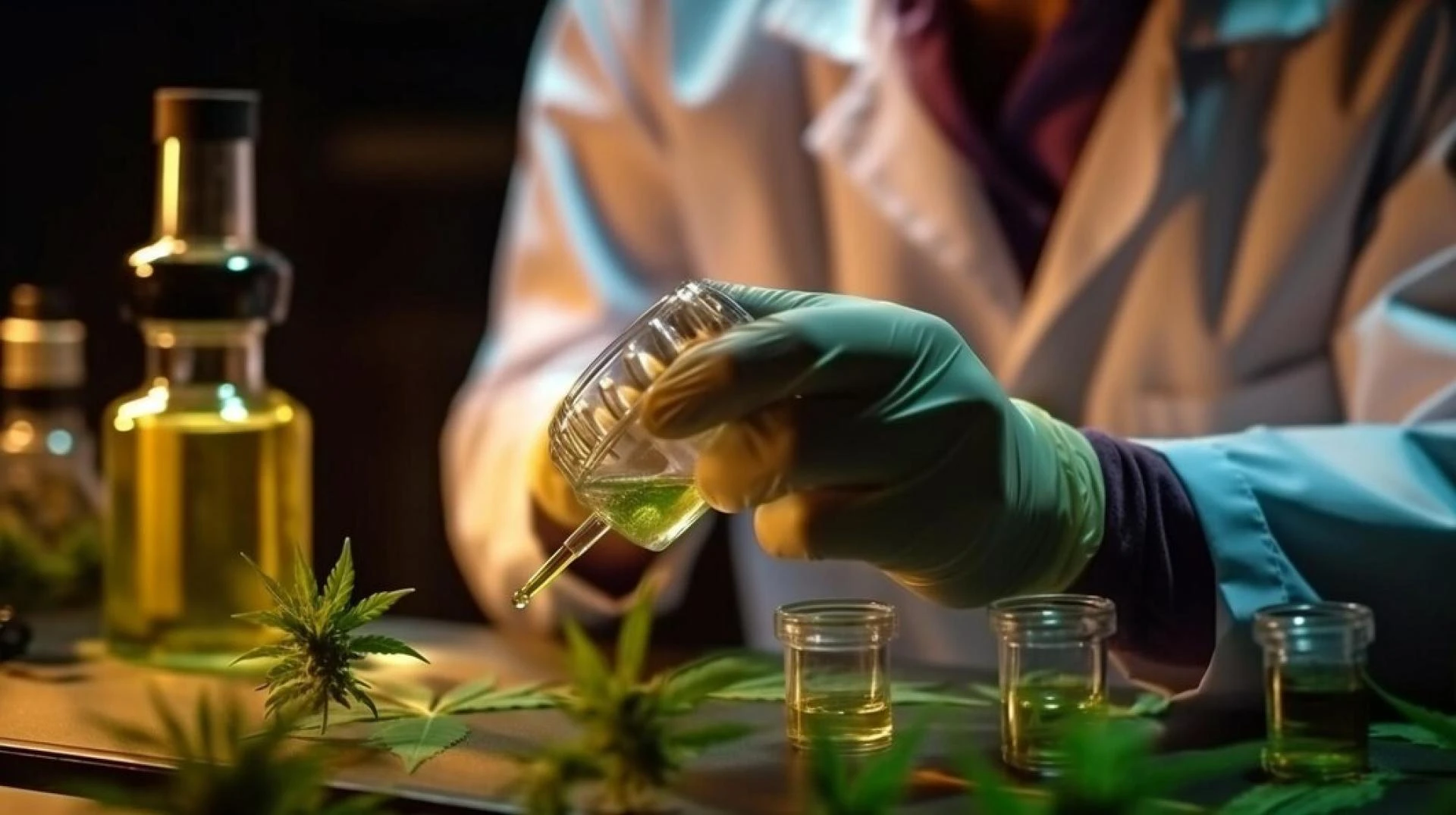

In recent years, the perception of cannabis has shifted dramatically, particularly in the realm of modern medicine. Once stigmatized and marginalized, cannabis is now gaining recognition for its therapeutic potential and its role in shaping modern pharmaceutical approaches. This article delves into the evolving landscape of cannabis in modern pharma, exploring its impact, potential benefits, and challenges. As cannabis gains acceptance and understanding within the medical community, its integration into modern pharmaceutical practices is becoming increasingly prevalent. However, this transition is not without hurdles, including regulatory complexities, standardization issues, and the need for further scientific research. Despite these challenges, the growing acknowledgment of cannabis in modern pharma signifies a promising future for the development of innovative treatments and therapies.
The Rise of Cannabis in Medicine:
Historically, cannabis has been used for medicinal purposes for centuries, with early civilizations recognizing its therapeutic properties. However, its modern resurgence in medicine can be attributed to scientific advancements and shifting attitudes towards its legalization and regulation.
One of the key components of cannabis is cannabidiol (CBD), a non-psychoactive compound known for its potential therapeutic effects. CBD has gained attention for its anti-inflammatory, analgesic, and neuroprotective properties, making it a promising candidate for treating various medical conditions.
Additionally, tetrahydrocannabinol (THC), another prominent compound in cannabis, is known for its psychoactive effects. While THC has recreational use, it also has therapeutic potential, particularly in managing pain, nausea, and muscle spasms.
Applications in Modern Pharma:
The integration of cannabis into modern pharmaceuticals has led to the development of cannabis-based medications and treatments. Sativex, for example, is an oral spray containing THC and CBD approved for the treatment of multiple sclerosis (MS)-related spasticity and neuropathic pain in several countries. This innovative medication exemplifies the potential of cannabis in addressing complex medical conditions.
Furthermore, cannabis-derived pharmaceuticals have shown promise in managing chronic pain, epilepsy, anxiety disorders, and even certain types of cancer. Epidiolex, a CBD-based medication, has been approved by the FDA for the treatment of seizures associated with Lennox-Gastaut syndrome and Dravet syndrome, two rare forms of epilepsy.
Beyond its direct therapeutic applications, cannabis compounds are also being investigated for their potential synergies with existing pharmaceuticals. Studies have shown that combining cannabinoids with other medications may enhance their efficacy or reduce adverse effects, opening up new avenues for personalized medicine.
Challenges and Considerations
While the potential benefits of cannabis in modern pharma are promising, there are several challenges and considerations to navigate:
Regulatory Hurdles: Regulatory frameworks pose significant barriers to research, development, and access to cannabis-based medications. The legal status of cannabis varies widely across jurisdictions, creating a complex landscape for pharmaceutical companies and healthcare providers.
Need for Rigorous Scientific Research: Despite growing interest, there is still a need for rigorous scientific research to fully understand the safety, efficacy, and long-term effects of cannabis-based treatments. This research is essential for establishing evidence-based guidelines and recommendations.
Standardization of Dosing and Formulation: Achieving standardization in dosing, formulation, and delivery methods is crucial to ensure consistency and reproducibility in clinical outcomes. Standardization helps address variability in potency and composition across different cannabis products.
Addressing Misconceptions and Stigma: Misconceptions and stigma surrounding cannabis persist, hindering its acceptance and integration into mainstream medicine. Education and public awareness campaigns are crucial in dispelling myths and fostering informed discussions about the role of cannabis in healthcare.
Overall, addressing these challenges will be key to maximizing the potential benefits of cannabis in modern pharma while ensuring patient safety and quality of care.
Conclusion:
The evolving landscape of cannabis in modern pharma represents a paradigm shift in how we approach medicine and healthcare. From its historical roots to its emerging applications, cannabis is reshaping the way we perceive and utilize therapeutic agents. While challenges remain, the growing body of evidence supporting the efficacy of cannabis-based treatments offers hope for patients seeking alternative and innovative solutions. As research continues and regulatory frameworks evolve, cannabis has the potential to become a cornerstone of modern medicine, improving outcomes and quality of life for countless individuals around the world.




























Sign in to leave a comment.