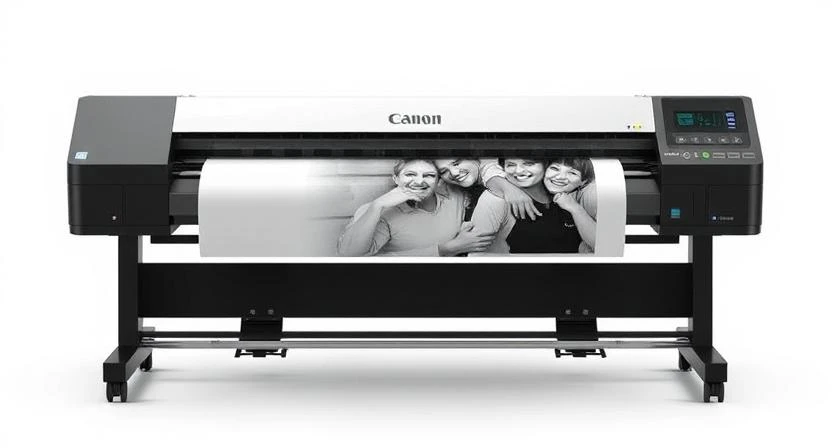

Wide-format printing has come a long way since its early days when large print jobs required manual plotters and time-consuming processes. The shift toward digital wide-format printing revolutionized workflows and enabled faster, higher-quality production. Over time, improvements in ink technology, printheads, and media handling transformed these systems into efficient tools accessible to businesses of all sizes.
Canon has been a consistent innovator in this space, producing machines that balance technical precision with practical usability. Canon large format printers have played a pivotal role in making high-resolution wide-format imaging more mainstream and reliable. From early CAD plotters to today’s gallery‑quality production printers, Canon’s evolution reflects continuous innovation, enabling professionals to achieve impressive results both efficiently and affordably.
Early Beginnings: From Plotters to Digital Inkjet
Large-format printing began with pen plotters, which drew designs manually—a slow, tedious method. As digital inkjet technologies emerged, Canon introduced early models that leveraged thermal inkjet and specialized roll-fed mechanisms. These early printers offered greater speed, reduced maintenance, and more consistent output than pen plotters.
Introduction of Pigment Ink Systems
Early Canon inkjets used dye-based inks that were vibrant but prone to fading. Canon’s adoption of pigment-based systems like Lucia ink marked a turning point. These inks resisted UV and environmental degradation, offering fade resistance and high color fidelity. This leap forward made Canon large format printers suitable for archival-quality photography, signage, and fine art reproduction.
Advances in Printhead and Media Handling
As demand grew, Canon refined its printhead technology using FINE (Full‑Photolithography Inkjet Nozzle Engineering) design to enable crisp detail and droplet precision. Simultaneously, auto-loading roll mechanisms, dual-roll feeding, and sheet cutting systems were introduced to streamline continuous production without manual intervention.
Expansion into Creative Markets
Originally focused on engineering and CAD applications, Canon expanded into creative fields by developing wide‑color‑gamut systems with eight and twelve ink channels. With models like the PRO series, fine art printing became accessible to photographers and design studios. Borderless printing, custom media profiles, and archival‑grade output solidified Canon's reputation among creative professionals.
Integration of Smart Workflow and Software
Modern workflows demanded seamless integration between design tools and printers. Canon responded with software like PosterArtist, Direct Print & Share, and cloud-connected interfaces. Touchscreen panels, remote management, and job accounting features improved user experience and operational control, enhancing the value of Canon large format printers in busy offices and studios.
Environmental and Sustainability Features
Canon introduced features such as energy-efficient power management, recyclable cartridges, and noise-reduction design. Many models are EPEAT Gold certified and achieve low standby power consumption. Automatic maintenance systems reduce ink waste and extend component longevity, embodying Canon’s commitment to sustainability.
Supporting a Range of Industries
Over the years, Canon large format printers have found use in architecture, engineering, photography, education, advertising, and government sectors. The brand’s focus on accuracy, media versatility, and consistent output makes these printers adaptable to technical drawings, signage, fine art prints, and exhibition materials.
What Comes Next in the Evolution
Canon continues to push boundaries with larger-format models, faster operation speeds, and smarter software tools. Emerging trends like predictive ink monitoring, AI-powered color calibration, and remote fleet management suggest exciting developments. These advancements are likely to further enhance the versatility and efficiency of Canon large format printers for professionals worldwide.
Conclusion: A Legacy of Innovation and Performance
From analog pen plotters to today's high-speed, high-precision, multi-channel pigment-based printers, Canon large format printers represent a legacy of innovation. Each generation has added new capabilities—better inks, smarter software, and more flexible media handling—making wide-format printing more accessible and reliable. For professionals seeking proven technology that delivers consistent quality and efficiency, canon large format printers continue to define the industry.

























Sign in to leave a comment.