

Introduction
Special event photography captures beautiful memories and strong emotions. Peering through the viewfinder, the photographer can immortalise the energy, joy, and creativity unfolding in front of them. Every moment should be etched in our minds and hearts. Photographs can take people back to some of their most important memories. These images provide a way to capture a moment in time that you will cherish for years to come.
1. The Importance of Event Photography
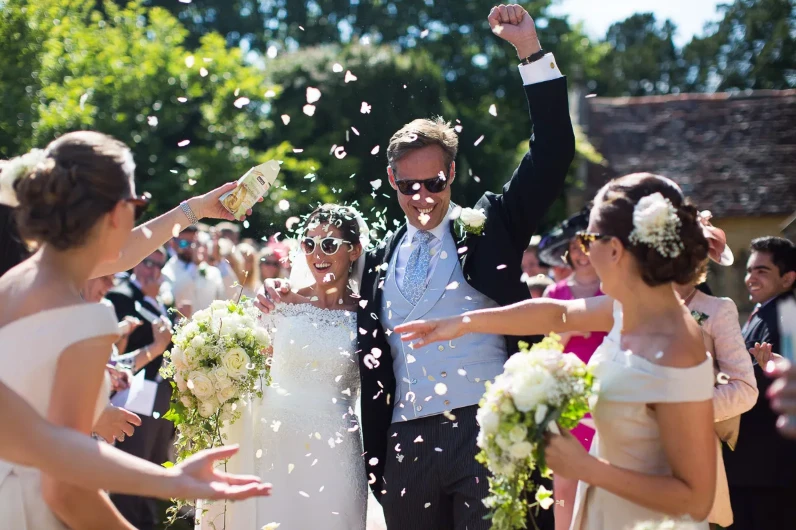
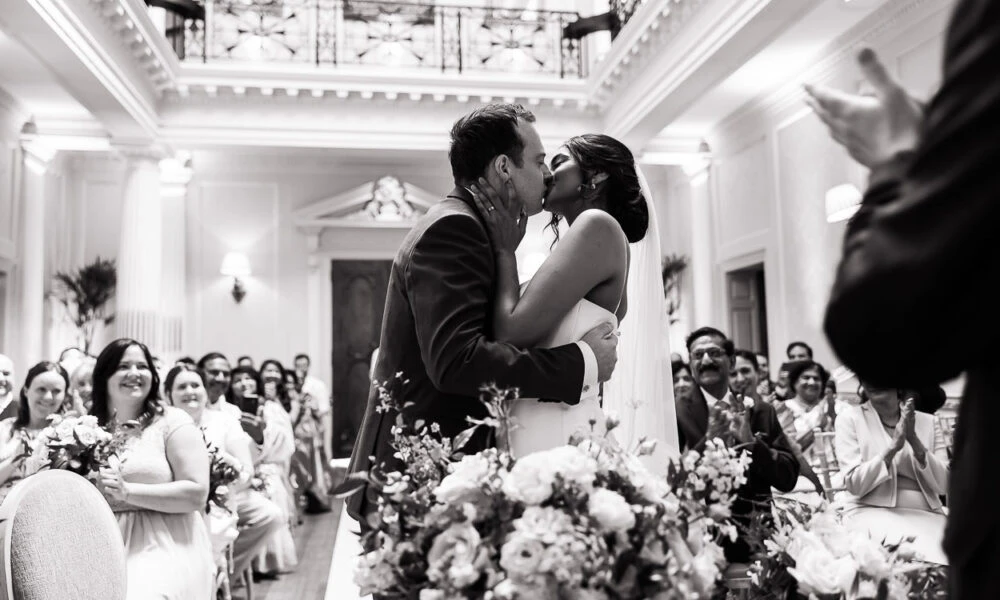
People come together for memorable events — weddings, birthdays, or corporate gatherings. Pictures from such occasions aid in reminiscing about memories created together. Professional event photography captures these moments beautifully, helping preserve the mood and spirit of each gathering. Images can also serve to strengthen the bond between friends, family, and colleagues. Time seems to stand still, and the photographs provide a glimpse into the atmosphere of each occasion. Such visual records become rich stories for individuals and communities.
2. Preparing for Success
Preparation remains the key to success for any photo session. Know the venue, lighting, and schedule so that nothing takes you by surprise. Consult with organisers to clarify expectations and preferences. This allows time to scout the space, check equipment, and set up. Understanding the order of the event helps you anticipate what to expect and when to interact with guests.
3. Balancing Posed and Unposed Shots
A careful balance of posed and spontaneous images tells the full story. Group portraits provide structure and emphasise important connections. Including unposed shots adds variety and context. Together, they create a balanced visual record, directed carefully to maintain a natural, relaxed feel without appearing staged.
4. Mastering Light and Composition
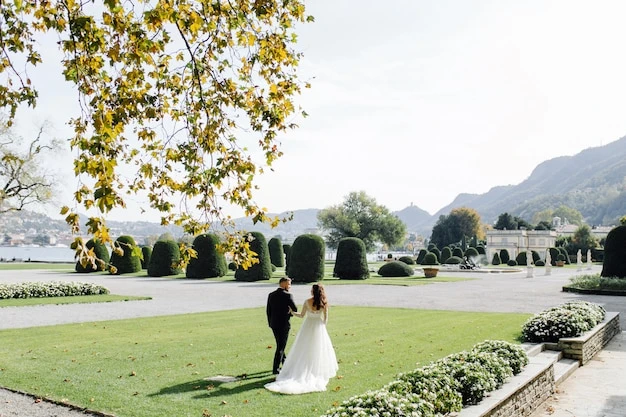
The mood of any photograph and the level of detail depend on light. Camera settings should be adjusted according to ambient conditions to produce bright and well-exposed images. Angles and composition highlight key subjects. Natural light generally yields soft, pleasing results, while artificial lighting can supplement areas with insufficient light.
5. Adapting to Different Occasions
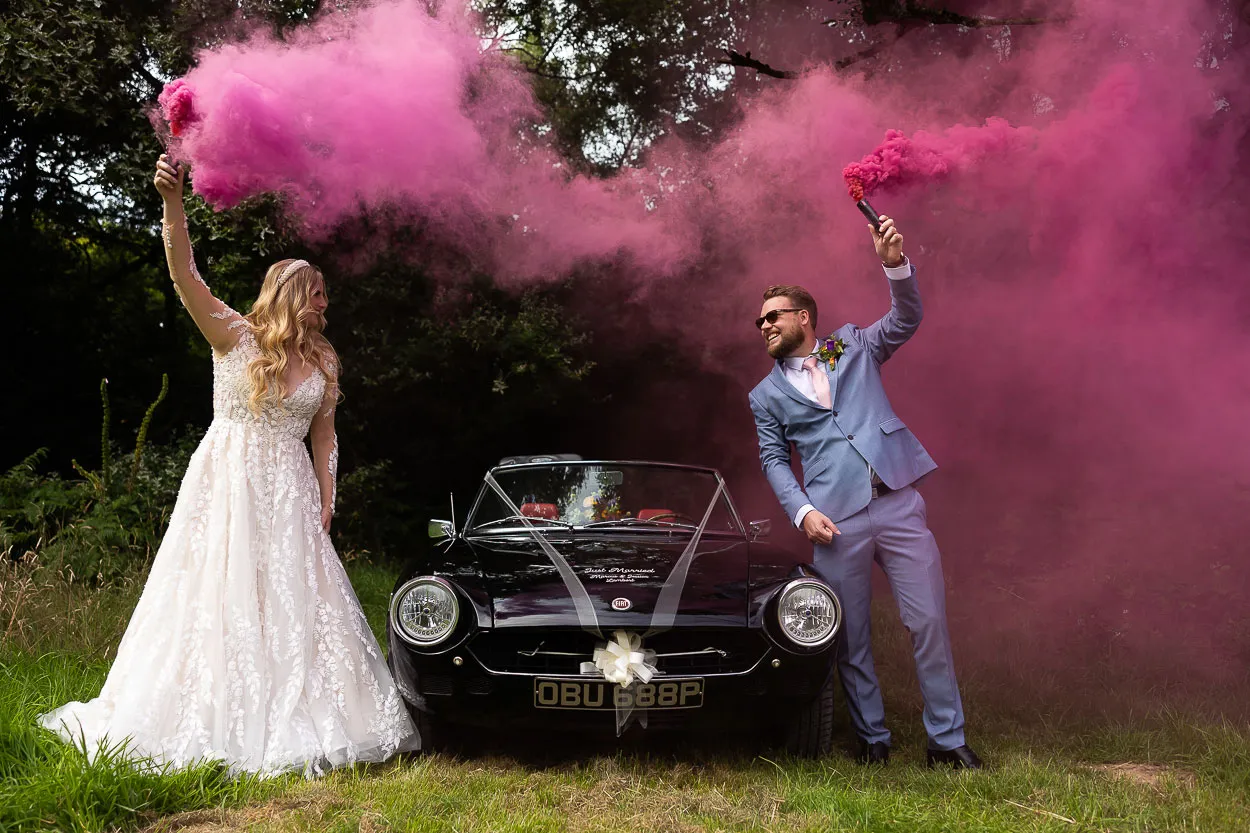
No two events are alike, each presenting unique challenges and opportunities. Formal ceremonies require a degree of discretion and awareness of tradition. More lively celebrations call for dynamic angles and creative shots. Understanding the tone and pace of the event helps to choose images wisely. Photographers adapt their techniques to suit the situation and subjects.
6. Capturing Key Details
Attention to small details makes a significant difference. Decorations, food arrangements, and personal touches should be captured. Close-up shots of these elements enrich the collection and provide a fuller picture of the event’s atmosphere. Often, it is the details that linger in people’s memories long after the occasion ends.
7. Building Rapport with Guests
Connecting with attendees promotes collaboration and ease. When people see a relaxed, friendly face, they feel more comfortable in front of the camera. Trust is built through simple acts such as greeting and complimenting guests. Respectful communication ensures no one feels overlooked, resulting in more genuine and positive expressions.
8. Post-Event Editing and Delivery
Editing brings out the best in the final images without altering their reality. Each photograph is refined through adjustments to brightness, colour, and cropping. Prompt and streamlined delivery generates appreciation and satisfaction. Automatic organisation of images into galleries allows hosts and guests to preview and share favourites. Timely presentation demonstrates professionalism.
9. Preserving Memories for the Future
Photographs serve as lasting memories of special events. Additional digital backups and prints preserve these moments for future generations. Images forge connections over time and distance. Good event photography celebrates life’s milestones and achievements. Long after the event has ended, these visual narratives continue to engage and inspire.
Conclusion
Event photography has existed long before our lifetimes. It preserves the ephemeral — emotions, relationships, and details that might otherwise be lost. Meaningful visual stories result from careful preparation, authentic engagement, and technical skill. From one moment to the next, there is always an opportunity to create memories that last a lifetime. Through thoughtful photography, all memorable events remain in the frame, preserving what matters most.






















Sign in to leave a comment.