
Introduction
Wedding photography rewards calm judgement, technical control, and emotional literacy. A wedding day carries nerves, weather changes, family expectations, changing light, and brief gestures that cannot be repeated. The photographer must read a room quickly, protect the schedule, and remain sensitive to people under pressure. Images should later feel honest, graceful, and rooted in the couple’s real experience, rather than shaped by a passing trend.
1. Start With a Clear Timeline
A reliable timeline protects meaningful photographs from rushed decisions. Professional wedding photography services rely on clear scheduling to ensure important moments are captured without unnecessary pressure or delays. Ceremony start times, travel, portraits, speeches, dinner service, and sunset should be mapped with practical spacing. Small delays can reduce available light or strain attention. Written timings give the photographer room to work steadily, while family members know where they should be.
2. Scout the Venue Early
A venue visit reveals problems that are difficult to solve under pressure. The photographer should assess window direction, shaded paths, ceremony sightlines, and reception lighting. Backup indoor areas matter if rain, wind, or heat interrupts plans. Plain walls, open doorways, staircases, and quiet corners can become elegant portrait locations.
3. Prioritise Natural Light
Natural light often gives skin a softer texture and more accurate colour. Window light works well for preparation, dress details, make-up, and quiet portraits. Open shade reduces squinting, glare, and deep facial shadows. Late sunlight adds warmth and depth, but timing must be precise because the best light disappears quickly.
4. Capture Real Emotion
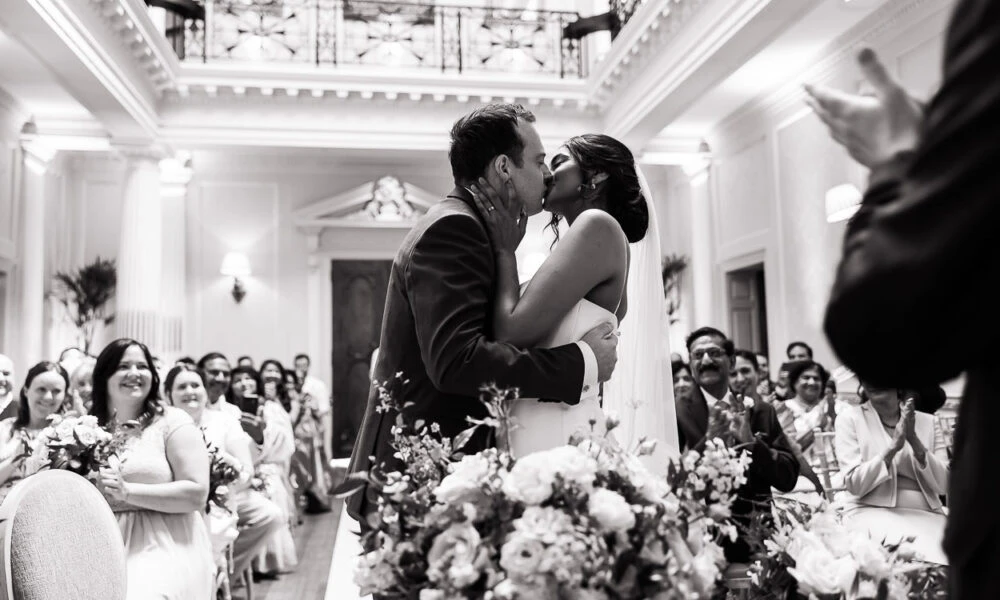
The most memorable frames often happen outside formal instructions. A parent adjusting a sleeve, a friend steadying shaky hands, or a partner exhaling before vows can carry real weight. The photographer should remain close enough to notice these cues, yet gentle enough to let people stay present.
5. Keep Portraits Simple
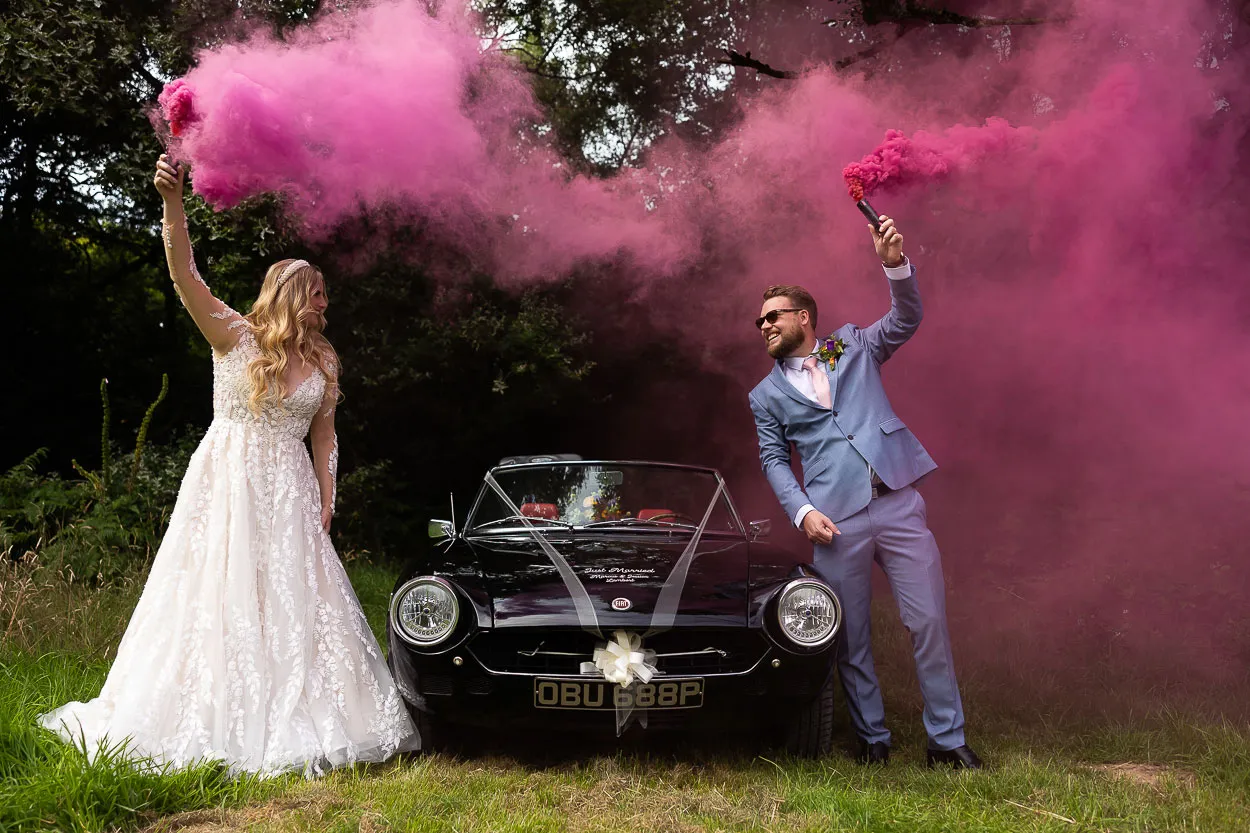
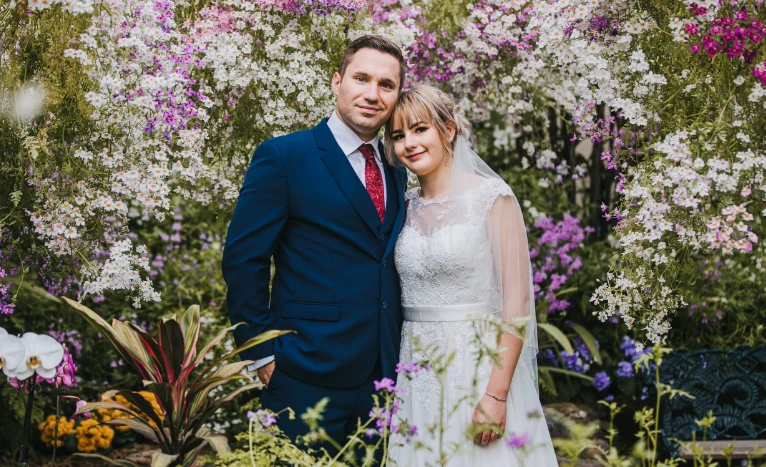
Strong portraits rarely require complex posing. Most couples look better with balanced posture, relaxed hands, and natural movement. Brief prompts can help them walk, turn, breathe, or lean without feeling scrutinised. Clean composition keeps attention on expression, connection, clothing texture, and the small signs of affection that matter.
6. Prepare a Family List
Family photographs need a clear structure before the ceremony begins. Couples should list each grouping by name, rather than using broad labels. A trusted relative can gather people quickly and prevent confusion. This reduces the chance of missing grandparents, siblings, children, or blended family combinations. Organised portrait time also preserves energy after the vows.
7. Photograph the Details
Details give the gallery texture and personal context. Rings, flowers, stationery, shoes, perfume, cufflinks, table settings, and inherited pieces often hold family meaning. These images also help albums breathe between large emotional scenes. Strong detail work depends on uncluttered surfaces, controlled light, balanced spacing, and careful handling.
8. Watch the Background
A distracting background can weaken a strong expression. Exit signs, bags, water bottles, stacked chairs, and bright screens pull attention away from faces. A small step sideways or a lower camera angle often improves the frame. The photographer should scan the edges before shooting, especially during portraits, ceremonies, speeches, and dances.
9. Balance Candid and Formal Coverage
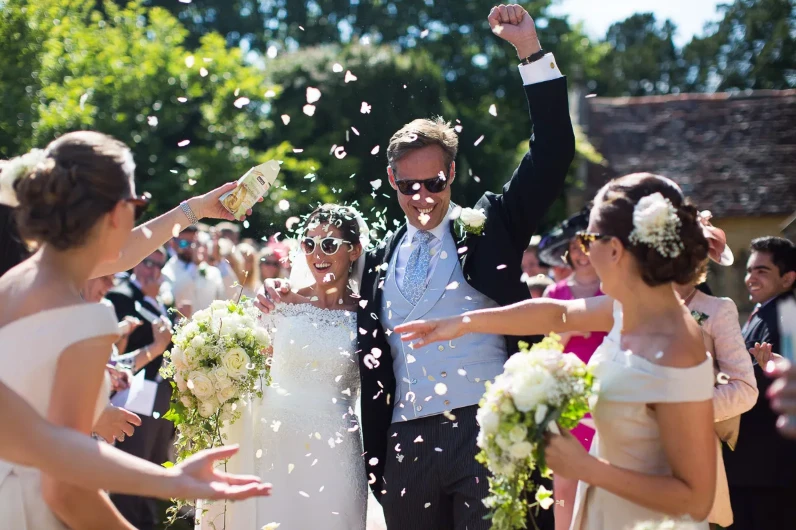
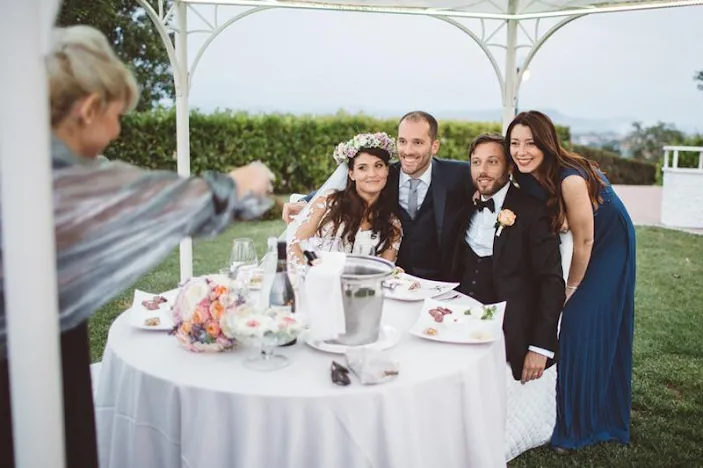
A complete gallery needs structure and feeling. Formal portraits identify important people clearly, while candid coverage preserves movement, mood, and affection. Ceremony photographs record vows, rituals, reactions, and family pride. Reception images add energy through speeches, meals, dancing, and reunions. Variety helps the final collection feel complete.
10. Back Up Every Image
File protection is a professional duty, not an afterthought. Dual memory cards reduce risk while coverage is still taking place. After the event, images should be copied to separate storage locations before editing begins. Couples may never see this workflow, yet it protects photographs that cannot be recreated.
Conclusion
Timeless wedding photography depends on preparation, patience, and emotional awareness. The strongest galleries combine planned portraits with unguarded moments, meaningful details, and disciplined use of light. A calm photographer helps people feel seen rather than managed. With clear timing, careful observation, and respect for family history, wedding images can remain graceful, personal, and truthful long after the celebration ends.

























Sign in to leave a comment.