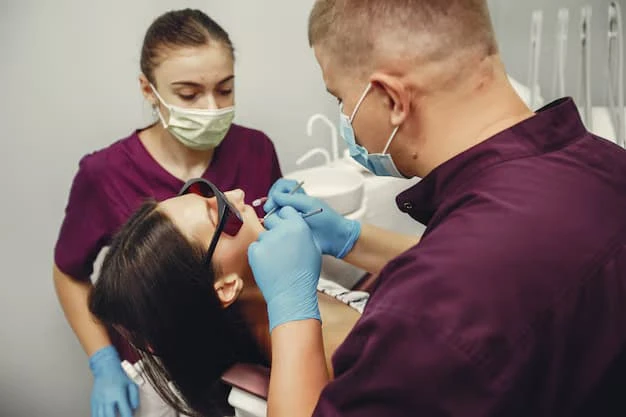

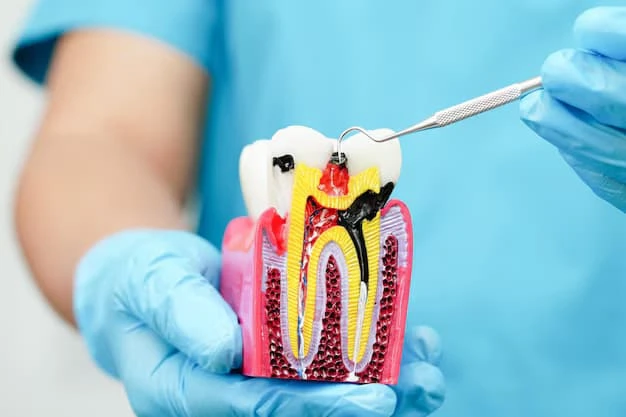
Root canal treatment is one of the most effective ways to save a natural tooth that has been damaged or infected. The procedure involves removing the infected pulp from inside the tooth, cleaning and disinfecting the root canals, and sealing the space to prevent further infection. This allows the tooth to remain functional while eliminating pain and preserving the natural structure.
After undergoing root canal treatment, proper care is crucial to ensure long-term success. Although the tooth is no longer living inside, it still plays an essential role in maintaining the integrity of the bite and overall oral health. The way a person cares for their tooth after the procedure greatly influences its longevity and strength.
Why Post-Treatment Care Matters
Once a root canal is completed, the tooth is technically restored, but it is also more fragile than before. Without proper protection and maintenance, the tooth could weaken or become reinfected. Good oral hygiene and appropriate dental follow-up are key to ensuring the treated tooth remains strong and functional for many years.
Immediate Care After Root Canal Treatment
Managing Discomfort and Sensitivity
It is common to experience mild discomfort or sensitivity after root canal treatment. This usually results from inflammation in the surrounding tissues rather than the tooth itself. Over-the-counter pain relievers, as recommended by the dentist, can help manage any soreness. Patients should avoid chewing or biting on the treated tooth until a permanent restoration, such as a crown, is placed.
Following Dentist Instructions
After the procedure, the dentist provides specific care instructions that should be followed carefully. These may include recommendations on diet, oral hygiene, and activity restrictions for a short period. Adhering to these guidelines helps prevent complications and promotes faster healing.
Eating and Drinking After the Procedure
It is advisable to wait until the numbness from anesthesia has completely worn off before eating or drinking. This prevents accidental biting of the lips or tongue. Soft foods that do not require excessive chewing are best during the initial recovery period. Avoiding very hot or hard foods helps protect the temporary filling and reduce discomfort.
Long-Term Care and Maintenance
Proper long-term care is essential to protect the treated tooth and maintain overall oral health. A root canal-treated tooth can last a lifetime with good habits and routine dental care.
Importance of a Dental Crown
In most cases, a crown is recommended after root canal treatment to strengthen and protect the tooth. The procedure removes some of the natural tooth structure, which can make the tooth more brittle. A crown acts as a protective covering, restoring the tooth’s natural shape, strength, and appearance. It prevents cracks and breakage, allowing the tooth to function normally.
Maintaining Excellent Oral Hygiene
Keeping the mouth clean is one of the most important steps in preserving the success of a root canal. Brushing twice a day with fluoride toothpaste and flossing daily prevents plaque buildup and protects the gums around the treated tooth. Using an antibacterial mouthwash can also reduce the risk of infection.
Regular Dental Checkups
Routine dental visits allow the dentist to monitor the condition of the restored tooth and surrounding tissues. During these checkups, the dentist can detect early signs of wear, decay, or gum problems and address them before they become serious. Regular professional cleanings also help maintain the health of the entire mouth.
Common Post-Treatment Concerns
Tooth Discoloration
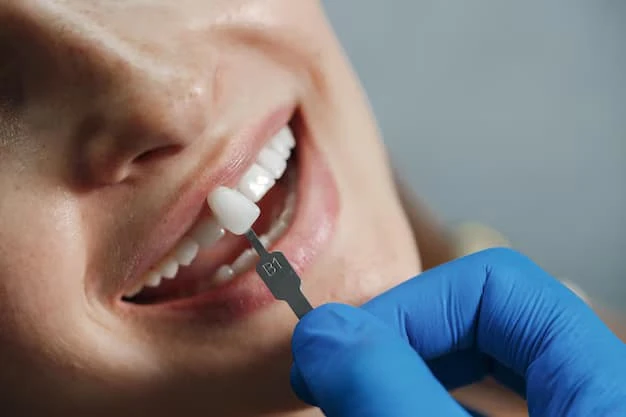
It is possible for a tooth that has undergone root canal treatment to appear slightly darker over time. This occurs because the internal tissue has been removed, and the tooth no longer receives nutrients from the blood supply. A cosmetic treatment, such as teeth whitening or a veneer, can restore a uniform color if discoloration becomes noticeable.
Minor Sensitivity
Mild sensitivity when chewing or biting is common after treatment but should gradually subside. If discomfort persists or worsens, it is important to contact the dentist. Persistent pain could indicate that the tooth or surrounding tissues need further attention.
Chipped or Broken Tooth
A treated tooth without a crown is more likely to chip or fracture, especially if subjected to heavy chewing forces. Placing a crown as soon as possible after the root canal is crucial to prevent damage and ensure long-term durability.
Protecting the Treated Tooth from Future Damage
Avoiding Hard Foods
Biting into hard foods like nuts, ice, or hard candy can damage even a restored tooth. It is best to chew such items carefully or avoid them altogether.
Managing Teeth Grinding
Bruxism, or teeth grinding, can put extra stress on a root canal-treated tooth. Wearing a custom night guard can protect teeth from unnecessary pressure while sleeping.
Maintaining a Balanced Diet
A diet rich in vitamins and minerals supports gum and tooth health. Foods high in calcium, vitamin D, and phosphorus help strengthen enamel and maintain jawbone density. Limiting sugary snacks and beverages also reduces the risk of cavities and decay in surrounding teeth.
Signs That Require Immediate Dental Attention
While most root canal treatments are successful, complications can occasionally occur. Being aware of warning signs can help ensure timely care.
Persistent Pain or Swelling
Ongoing pain or swelling after the initial healing period may signal infection or inflammation that needs further evaluation.
Tooth Mobility
If the treated tooth feels loose, it could indicate bone loss or structural damage. Immediate dental assessment is necessary to prevent worsening of the condition.
Gum Pimple or Abscess
A recurring pimple-like bump on the gum near the treated tooth may suggest an underlying infection. This should be addressed promptly to avoid damage to surrounding tissues.
Myths About Root Canal Treatment
Many people associate root canal treatment with pain or complications, but modern dentistry has made the procedure highly efficient and comfortable.
Myth 1: Root Canal Treatment Is Painful
In reality, the procedure is performed under local anesthesia, ensuring that patients experience minimal discomfort. The goal of treatment is to relieve pain caused by infection, not cause it.
Myth 2: Extracting the Tooth Is Better
Saving a natural tooth is always preferable to extraction. Natural teeth maintain the alignment and stability of the bite and prevent jawbone deterioration. Root canal treatment allows the natural tooth to remain in place while removing the source of infection.
Myth 3: Root Canal Treatment Is Temporary
With proper care, a root canal-treated tooth can last for decades. The success rate is very high, especially when followed by crown placement and good oral hygiene.
Tips for Long-Term Success After Root Canal Treatment
- Brush and floss daily to prevent new decay around the treated tooth
- Schedule routine dental visits for cleanings and checkups
- Wear a mouthguard if engaging in sports or nighttime teeth grinding
- Avoid biting down on hard foods or objects
- Follow the dentist’s instructions for crown placement and maintenance
The Importance of Preserving Natural Teeth
Natural teeth play a vital role in maintaining the structure of the face and the health of surrounding teeth. Whenever possible, saving a natural tooth through root canal treatment is the best option. Extraction can lead to shifting of neighboring teeth, bite misalignment, and bone loss. Root canal therapy helps prevent these complications and ensures a healthy, natural-looking smile.
Conclusion
Caring for a tooth after root canal treatment is essential for ensuring lasting results and maintaining oral health. By following good hygiene practices, scheduling regular dental visits, and protecting the tooth with a crown, patients can enjoy a functional and pain-free smile for many years. Proper care not only preserves the restored tooth but also contributes to overall dental wellness and confidence.
For expert guidance and comprehensive dental care, Martinez & Martinez Family Dental Care provides professional support to help patients maintain healthy, beautiful smiles after root canal treatment.



























Sign in to leave a comment.