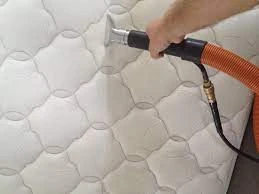

Introduction
Carpet cleaning is an essential aspect of maintaining the cleanliness and hygiene of our homes and commercial spaces. It involves the use of various chemicals, techniques, and equipment to remove dirt, stains, and allergens from carpets. But have you ever wondered about the science behind carpet cleaning south perth? How do these chemicals work? What are their ingredients? In this section, we will explore the science behind carpet cleaning and understand how different ingredients play a crucial role in effective stain removal.
Chemical Reactions in Carpet Cleaning
The main goal of Professinal carpet cleaning is to dissolve and remove stubborn dirt, stains, and other contaminants from the fibers of a carpet. This process involves several chemical reactions that break down these substances into smaller molecules that can be easily removed by washing or vacuuming.
The most common type of chemical reaction used in carpet cleaning is called “saponification.” Saponification occurs when a fatty acid (usually found in grease or oils) reacts with an alkali (such as sodium hydroxide or ammonia) to form soap. The soap then attaches itself to dirt particles and lifts them off the carpet fibers.
Other types of reactions involved in carpet cleaning include oxidation, which uses oxygen-based compounds like hydrogen peroxide or sodium hypochlorite to break down organic stains like blood or urine; reduction, which converts oxidized stains back into their original state using reducing agents like sodium bisulfite; and chelation, which binds metal ions found in rust stains
Understanding Chemical Reactions in Stain Removal
Chemical reactions play a crucial role in the process of stain removal in carpet cleaning. Understanding these reactions is essential in order to effectively remove stains and restore the appearance of your carpets. In this section, we will explore the science behind chemical reactions and how they work to break down and remove stains from carpet fibers.
Firstly, it is important to understand that stains are made up of different types of molecules, including oils, proteins, dyes, and other substances. These molecules are held together by chemical bonds that keep them attached to the carpet fibers. In order to effectively remove stains, these bonds need to be broken down through the use of specific chemicals.
One common type of chemical reaction used in stain removal is called oxidation. This reaction involves the transfer of electrons from one molecule to another. Oxygen-based cleaners such as hydrogen peroxide or bleach work by releasing oxygen atoms that bind with the stain molecules and break them apart. This results in a color change as well as breaking down any remaining bonds between the stains and carpet fibers.
Another type of chemical reaction commonly used in stain removal is reduction. This process involves adding electrons back into a molecule to change its properties. For example, reducing agents like sodium bisulfite can be used to counteract dyes found in certain stains such as red wine or coffee.
Acid-base reactions also play an important role in stain removal. Acidic solutions can help dissolve alkaline substances like dirt or grease while basic solutions are effective at removing acidic stains like tomato sauce
Common Ingredients Used in Carpet Cleaning Solutions
When it comes to keeping our carpets clean and free of stains, we often turn to carpet cleaning solutions for help. These products contain a variety of ingredients that work together to break down dirt, remove stains, and leave our carpets looking fresh and new. In this section, we will explore some of the most common ingredients used in carpet cleaning solutions and how they contribute to effective stain removal carpet cleaning.
1. Surfactants: Also known as surface-active agents, surfactants are one of the key ingredients in carpet cleaning solutions. They work by reducing the surface tension of water, allowing it to spread more easily across the carpet fibers and penetrate deep into the stains. This helps to loosen dirt and grime from the carpet fibers, making it easier to remove.
2. Enzymes: Enzymes are naturally occurring proteins that act as catalysts for chemical reactions. In carpet cleaning solutions, enzymes are used to break down complex stains such as food or pet urine by breaking apart their molecular structure. This makes them easier to remove from the carpet fibers.
3. Solvents: Solvents are substances that dissolve other materials without undergoing any chemical changes themselves. In carpet cleaning solutions, solvents help to dissolve oil-based stains like grease or tar that cannot be removed with water alone.
4. pH Adjusters: The pH level refers to how acidic or alkaline a substance is on a scale of 0-14. Most carpets require a slightly acidic solution for effective cleaning (pH 5-7
How Do These Ingredients Work?
When it comes to carpet cleaning, the ingredients used in the cleaning solutions play a crucial role in effectively removing stains and leaving your carpets looking fresh and clean. But have you ever wondered how these ingredients actually work? In this section, we’ll take a closer look at the chemical reactions that occur when using common carpet cleaning ingredients.
1. Surfactants
Surfactants are one of the key ingredients found in most carpet cleaning solutions. These compounds work by lowering the surface tension between two substances, allowing them to mix more easily. In simpler terms, surfactants help break down dirt and grime on your carpets by loosening their bonds with the fibers.
The structure of surfactant molecules is what enables them to be effective cleaners. They have a hydrophilic (water-loving) head and a hydrophobic (water-repelling) tail. When applied to a stain on your carpet, the hydrophilic head attaches itself to water molecules while the hydrophobic tail attaches to dirt particles, lifting them off surfaces and making it easier for them to be wiped away.
2. Solvents
Another important ingredient found in carpet cleaning solutions is solvents. These are liquids that dissolve other substances such as grease or oil stains on carpets. Common solvents used in carpet cleaners include alcohols, glycol ethers, and butyl-based chemicals.
Solvents work by breaking down the chemical bonds between dirt particles and fibers in your carpet through a process called dissolution. This means they essentially
The Importance of pH Levels in Carpet Cleaning
pH levels play a crucial role in carpet cleaning as they determine the effectiveness of the chemical reactions that occur during the process. Understanding pH levels is essential for achieving successful stain removal and keeping your carpets clean and fresh.
Firstly, it’s important to understand what pH level means. The term “pH” stands for “potential of Hydrogen” and measures the acidity or alkalinity of a substance on a scale from 0 to 14. A pH level of 7 is considered neutral, while anything below 7 is acidic and above 7 is alkaline. In carpet cleaning, pH levels are used to determine the strength and effectiveness of cleaning solutions.
The ideal pH level for most carpet cleaning solutions ranges from 8-10. This slightly alkaline range helps to break down dirt, grime, and stains without damaging the fibers of the carpet. When a stain occurs on your carpet, it usually has an opposite charge to that of water molecules. By using a solution with a higher pH level than water, the positive ions in the cleaner attract and neutralize the negatively charged particles in the stain, making it easier to remove.
On the other hand, using highly acidic cleaners can damage your carpets by breaking down their fibers over time. Acidic substances can also react with certain types of stains like pet urine or vomit, causing them to set permanently into your carpet instead of being removed.
It’s also essential to consider that different types of stains require different pH levels for effective removal
Tips for Choosing the Right Carpet Cleaning Solution
When it comes to keeping your carpets clean and stain-free, choosing the right cleaning solution is crucial. With so many options available in the market, it can be overwhelming to determine which one will best suit your needs. In this section, we’ll discuss some important tips for selecting the right carpet cleaning solution.
1. Consider the Type of Stain:
The first thing you need to consider when choosing a carpet cleaning solution is the type of stain you are trying to remove. Different types of stains require different ingredients and methods for effective removal. For example, pet stains may require enzyme-based cleaners, while grease stains may need solvent-based solutions.
2. Know Your Carpet Material:
Before purchasing any carpet cleaning solution, make sure you know what type of material your carpet is made of. Some solutions may be too harsh for delicate fibers like wool or silk, while others may not be strong enough to remove stubborn stains from synthetic materials. It’s always best to check with the manufacturer or do a patch test before using any new cleaner on your carpets.
3. Read Labels Carefully:
It’s essential to read the labels carefully when shopping for a carpet cleaning solution. Look out for any warning signs or instructions on how to use the product safely and effectively. Pay attention to any hazardous chemicals that may be present and avoid products with strong fragrances if you have sensitivities or allergies.
4. Consider Eco-Friendly Options:
Nowadays, there are many eco-friendly alternatives available in the market that are just as effective
Conclusion:
We have explored the various chemical reactions involved in carpet cleaning and how understanding these ingredients can lead to effective stain removal. We have learned that there are three main types of stains: water-soluble carpet cleaning, oil-based, and protein-based stains, each requiring a different approach for successful removal.
Water-soluble stains, such as coffee or wine spills, can be removed with the use of surfactants that break down the surface tension of water and allow it to penetrate the fibers of the carpet. This allows for easier lifting and removal of the stain from the carpet.
Oil-based stains, like grease or makeup, require solvents to dissolve them before they can be lifted from the carpet fibers. These solvents work by breaking down the chemical bonds between the oil molecules and allowing them to be easily removed.
Protein-based stains, such as blood or urine, require enzymes to break down their complex molecular structure. Enzymes work by speeding up natural biochemical reactions that break down proteins into smaller components that can then be easily removed from the carpet.
It is important to note that using incorrect chemicals or applying them incorrectly can lead to damaging effects on your carpets. It is essential to always follow manufacturer instructions and test any new products on a small inconspicuous area before using them on a larger scale.
Moreover, understanding pH levels is also crucial in effective stain removal. Our carpets tend to have a neutral pH level around 7 but certain cleaning agents may have acidic or alkaline



























Sign in to leave a comment.