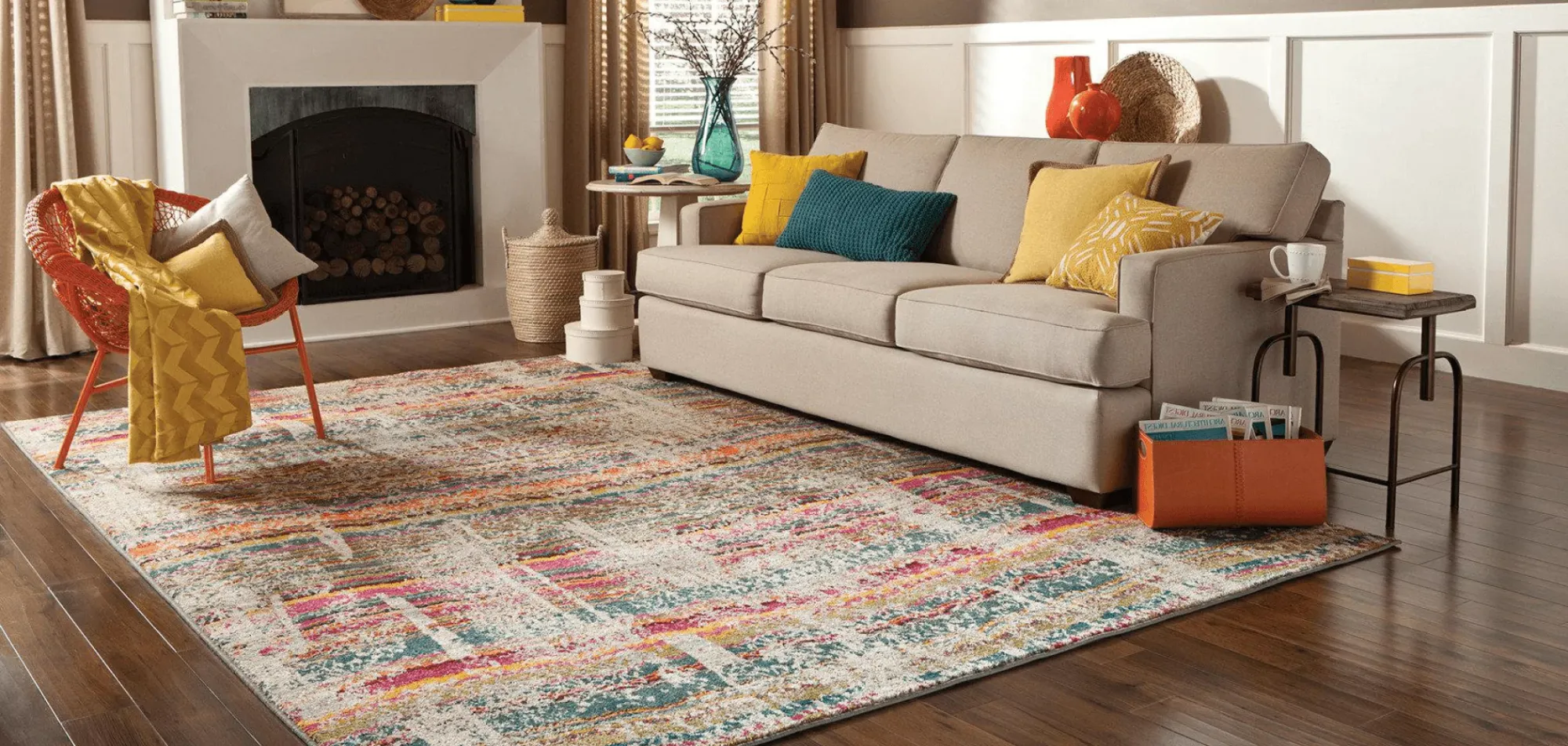

The best rugs and carpet ideas for modern homes include neutral wall-to-wall wool, Berber loop pile, geometric and abstract rugs, natural jute, carpet tiles, organic-shaped rugs, and machine-washable rugs. Modern carpets favor soft, earthy tones, low- to medium-pile heights, and textures that add warmth without visual clutter. The right choice depends on the room, foot traffic, and how much maintenance you can handle.
Custom Carpet has made a quiet comeback. After years of bare hardwood and polished concrete, homeowners now want rooms that feel softer, quieter, and more lived-in. Today's carpets look nothing like the dull beige broadloom of the 1990s, though. Designers now pair clean lines with rich textures, and they treat flooring as a design layer rather than an afterthought.
This guide walks you through 20 carpet ideas that suit modern interiors. You will also learn how to pick the right fiber, size your rug correctly, and keep everything looking fresh for years.
Trendy Carpet & Rug Ideas for Modern Homes
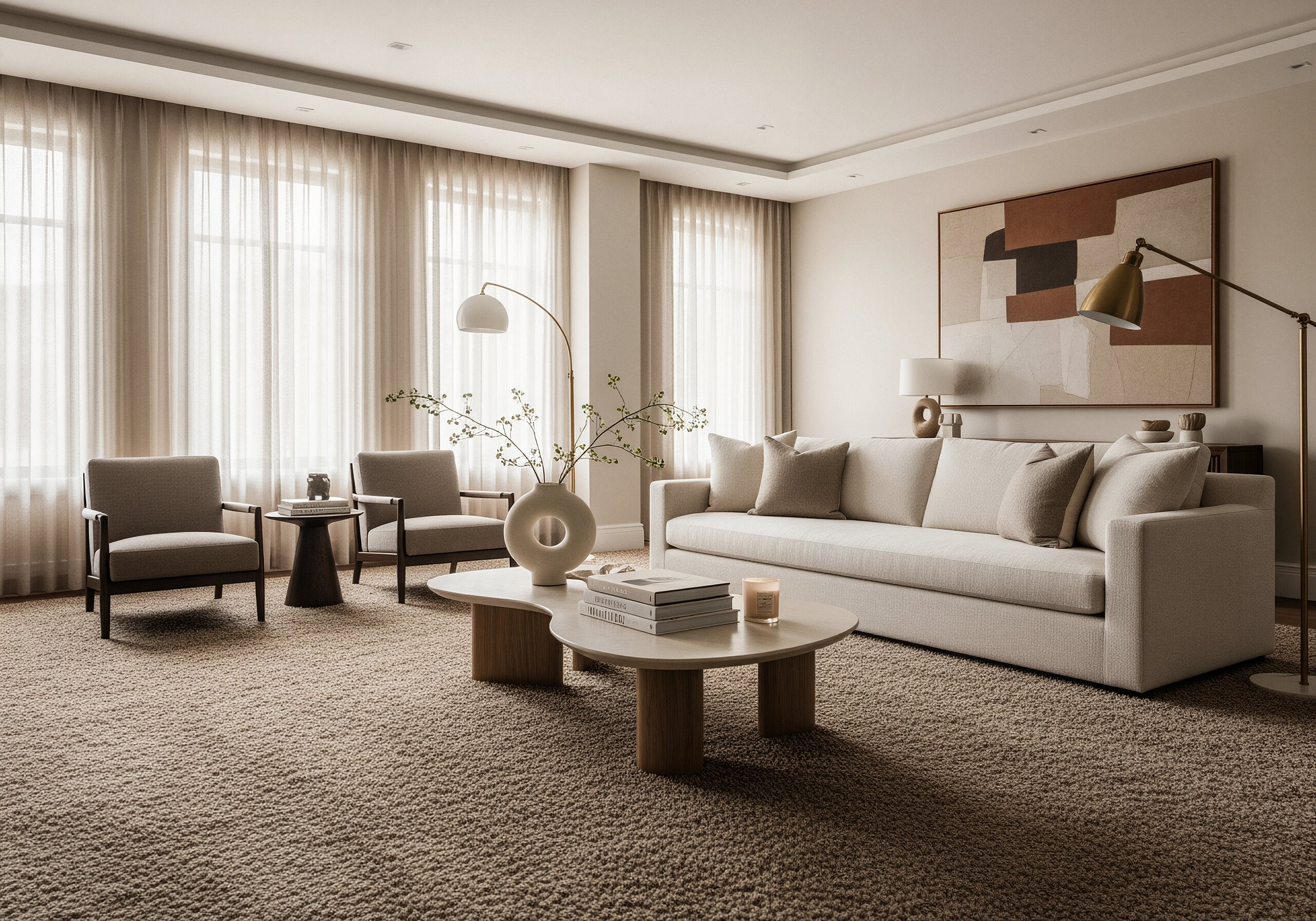
Choosing the right floor covering can instantly transform a modern home. Explore trendy carpet ideas featuring contemporary colors, patterns, textures, and materials that add comfort while complementing today’s interior styles.
1. Warm Neutral Wall-to-Wall Carpet
Cool gray dominated homes for a decade. Now, warmer neutrals like oatmeal, mushroom, and soft greige have taken its place. These shades bounce light around a room and make it feel calm right away.
Wall-to-wall carpet works best in bedrooms, where comfort underfoot matters more than anything else. Choose wool if your budget allows. It naturally resists flames, holds its shape, and ages gracefully. Nylon makes a strong, more affordable second choice.
Pro Tip: Ask for a large sample and lay it on your floor for a few days. Carpet color shifts noticeably between morning daylight and warm evening lamps.
2. Berber Loop Pile
Berber gets its name from the hand-woven textiles of North Africa's Amazigh (Berber) people. Modern versions feature tight, uncut loops, often with small flecks of darker color. That flecked surface hides dirt and footprints remarkably well.
Families love Berber for busy hallways and playrooms. However, pet owners should think twice. A cat's claw can catch a loop and pull a run across the carpet. If you have pets, look for a dense, low-profile loop or switch to a cut pile instead.
3. Cut-and-Loop Sculpted Carpet
What happens when you combine cut fibers with looped ones? You get a subtle, carved pattern that appears to change as light moves across it. Manufacturers use this technique to create soft stripes, waves, and grid designs.
This style suits people who want pattern but dislike printed designs. The effect stays quiet from a distance and reveals itself up close. It pairs especially well with minimalist furniture and plain walls.
4. Geometric Patterned Rugs
Hexagons, diamonds, triangles, and crisp linework bring structure to open-plan spaces. A geometric rug can define a seating zone in a large room without building a single wall.
Scale makes all the difference here. Large shapes calm a room down, while tiny repeating patterns can feel busy and even dizzying. In a small space, choose a two-color geometric design with plenty of breathing room between lines.
• Works with: mid-century furniture, black metal accents, and leather sofas.
• Avoid pairing with: heavily patterned curtains or cushions, which compete for attention.
5. Abstract Art Rugs
Think of an abstract rug as a painting for your floor. Brushstroke effects, watercolor washes, and loose organic shapes give a living room real personality. Many designers now hand-tuft these rugs with varying pile heights, so the design has physical depth too.
Pull one or two colors from the rug into your throw pillows or wall art. That small step ties the whole room together and makes the rug look intentional rather than random.
6. Jute and Sisal Natural Fiber Rugs
Natural fibers add an earthy, relaxed feel that suits Scandinavian, coastal, and organic modern homes. Jute feels softer underfoot. Sisal carpets feel coarser but handle traffic better.
Both fibers have one weakness: water. Spills can leave brown stains, and steam cleaning can cause shrinkage. Blot spills immediately and keep these rugs out of bathrooms. For a softer version, look for a jute-and-wool blend, which feels gentler on bare feet.
7. Wool Flatweave Rugs
Flatweaves have no pile at all. Weavers interlock the threads tightly, which creates a thin, durable rug that lies completely flat. Kilims and dhurries fall into this category.
That slim profile makes flatweaves ideal under dining tables. Chairs slide in and out easily, and crumbs sit on the surface rather than sinking deep into fibers. You can also flip many flatweaves over to spread out the wear.
8. Modern Low Shag
The shaggy carpets of the 1970s have returned, but with a sharper edge. Today's versions use shorter, denser fibers in muted shades, so they feel cozy without looking like a retro costume.
Shag belongs in low-traffic spots. A bedside rug or a reading corner works well. Keep it out of entryways and dining rooms, since it traps grit and crumbs easily.
Cleaning note: Turn off your vacuum's beater bar or use the highest height setting. A spinning brush can tangle and pull long fibers.
9. Color-Block Rugs
Bold, solid blocks of color give a room an artistic, gallery-like energy. Mustard next to terracotta. Rust beside deep blue. These pairings feel confident and fun.
Color-block rugs suit creative studios, kids' rooms, and apartments with mostly white walls. If you feel nervous about color, start with two muted blocks instead of three bright ones.
10. Tone-on-Tone Carpet
Tone-on-tone designs use two or three shades of the same color. For example, a pale sand might sit next to a deeper camel. The result looks sophisticated and calm.
This idea works brilliantly in bedrooms and quiet lounges. It also helps in rentals or homes you plan to sell, because buyers rarely object to a soft, layered neutral.
11. Carpet Tiles
Carpet tiles used to belong only in offices. Now, residential collections offer rich textures, soft colors, and even plush options. Each tile installs on its own, so you can create stripes, checkerboards, or random patterns.
Here is the real advantage: if your dog has an accident or a child spills juice, you simply lift and replace one Carpet Tile. That makes them a smart pick for basements, home gyms, and playrooms. Always buy a few extra tiles from the same dye lot for future repairs.
12. Organic and Irregular-Shaped Rugs
Rectangles aren't the only option. Pebble shapes, soft ovals, and cloud-like outlines bring a playful, natural feel to modern spaces.
An irregular rug softens a room full of straight lines and sharp corners. Try one under a round coffee table or in a nursery reading corner. Keep the rest of the room simple so the shape can stand out.
13. Layered Rugs
Layering lets you combine texture and pattern in a controlled way. Most designers start with a large, plain base, such as jute or a neutral flatweave. Then they add a smaller patterned or plush rug on top.
A good rule: the top rug should be about one-third smaller than the base rug. Also, pair contrasting textures. A flat base under a fluffy top rug looks deliberate. Two thick rugs stacked together just look lumpy.
14. Bound Custom Broadloom Rugs
Can't find a rug in the exact size you need? Many carpet stores will cut broadloom carpet to any dimension and bind the edges with fabric, leather, or a serged finish. You get a custom rug at a fraction of the price of a made-to-measure design.
This option shines in open-plan homes with odd layouts. It also opens up a huge range of textures, since you can choose from full carpet collections rather than a limited rug catalog.
15. Modern Stair Runners
Bare wooden stairs look sleek, but they can feel slippery and loud. A stair runner solves both problems while adding a strong design moment to your hallway.
For a modern look, choose a narrow stripe, a herringbone weave, or a solid color with a contrasting bound edge. Leave a few inches of exposed wood on each side of the stair to frame the runner. Most installers use either a waterfall style, which flows straight down each step, or a Hollywood style, which wraps tightly around the stair nose for a tailored finish.
16. Distressed and Vintage-Wash Rugs
Traditional Persian and Oriental motifs feel fresh again when they appear faded, overdyed, or softly distressed. These rugs bring history and character into rooms that might otherwise feel too new.
The worn-in finish also makes them forgiving. Small stains and pet hair blend into the pattern instead of standing out. That combination of style and practicality explains why so many designers use them in high-traffic living rooms.
17. Machine-Washable Rugs
Washable rugs have changed the game for busy households. They usually come in two layers: a thin top cover and a non-slip pad. When the cover gets dirty, you peel it off and throw it in your washing machine.
They work beautifully in kitchens, entryways, and homes with pets or toddlers. The trade-off is thickness. Because they need to fit in a washer, most washable rugs feel thinner than traditional ones. Check your machine's drum capacity before you buy a large size.
18. Eco-Friendly Carpets
More homeowners now ask where their flooring comes from. Sustainable options include wool, seagrass, and carpets made from recycled plastic bottles (PET). Some brands also offer take-back programs that recycle old carpet instead of sending it to landfill.
Indoor air quality matters too. Look for products certified under the Carpet and Rug Institute's Green Label Plus program, which tests carpets for low emissions of volatile organic compounds (VOCs). Ask your installer to use a low-VOC adhesive as well.
19. Dark and Moody Carpets
Charcoal, navy, forest green, and deep chocolate create rooms that feel enclosed and cozy. These shades suit media rooms, home libraries, and bedrooms designed for deep sleep.
Dark carpets hide stains well, but they show lint, dust, and pet hair more clearly than you might expect. A mid-dark shade with a slight heather (mixed fiber color) gives you the moody look with far less visible fluff.
20. Japandi-Inspired Textured Carpet
Japandi blends Japanese simplicity with Scandinavian warmth. Carpets in this style feature subtle ribbing, hand-loomed textures, and colors drawn from nature, such as stone, sand, and pale clay.
The goal is calm. Choose a low or medium pile, skip bold patterns, and let the texture do the talking. Pair the carpet with light wood furniture, linen fabrics, and plenty of open space.
What Makes a Carpet Look Modern?
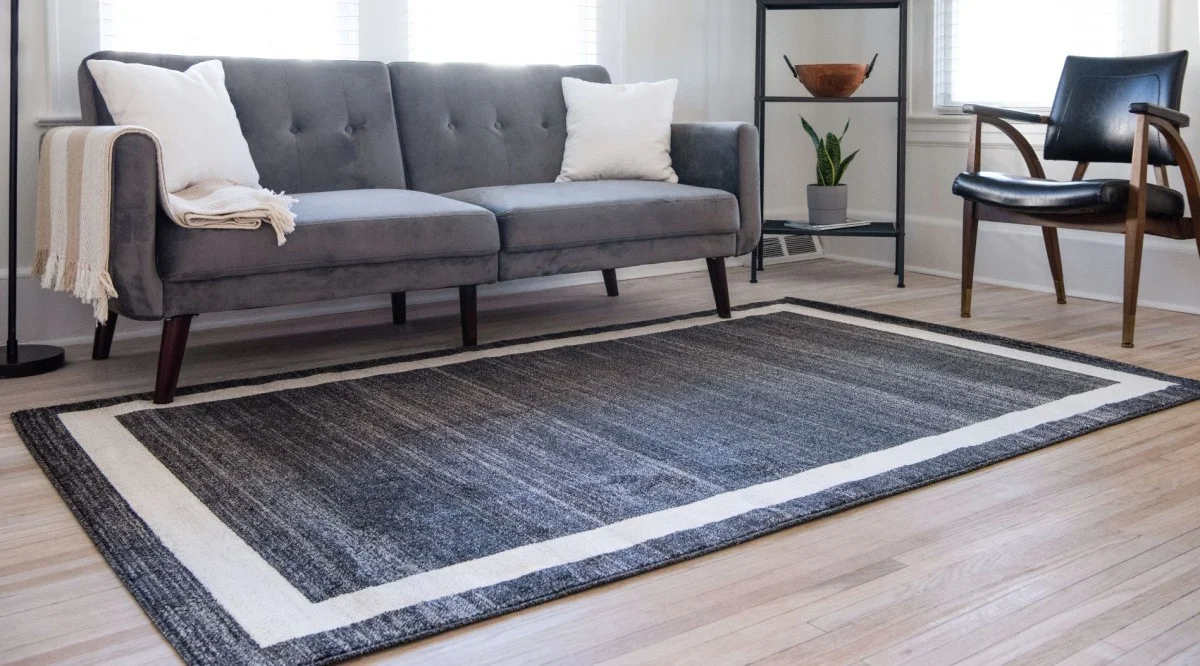
A modern carpet does not rely on fussy florals or heavy borders. Instead, it leans on texture, restraint, and a clear connection to the rest of the room. Four traits usually set it apart:
• Simple color stories. Warm whites, oatmeal, greige, clay, sage, and charcoal lead the way.
• Texture over pattern. Loops, ribs, and hand-tufted surfaces add interest without busy prints.
• Clean edges. Bound, serged, or minimal-fringe edges keep the look crisp.
• Practical materials. Modern homeowners want fibers that resist stains and stand up to pets and kids.
Keep these traits in mind as you browse the ideas below. They will help you spot a carpet that feels current rather than trendy for a single season.
How to Choose the Right Carpet for Your Modern Home

A beautiful carpet still fails if it doesn't suit the way you live. Work through these factors before you buy.
Pick a Fiber That Matches Your Lifestyle
Fiber affects comfort, durability, and price more than any other factor. Use this comparison as a starting point:
| Fiber | Strengths | Weaknesses | Ideal For |
| Wool | Soft, resilient, naturally flame-resistant | Higher cost; can shed at first | Living rooms, bedrooms |
| Nylon | Very durable, holds its shape | Needs stain treatment | High-traffic areas, stairs |
| Polyester (incl. PET) | Soft, colorfast, budget-friendly | Can flatten over time | Bedrooms, guest rooms |
| Polypropylene (Olefin) | Strong stain and moisture resistance | Crushes easily; oil stains cling | Basements, outdoor areas |
| Jute / Sisal | Natural, textured, eco-friendly | Water stains; rougher feel | Entryways, dining rooms |
Choose the Right Pile Height
Low pile (under about a quarter inch) handles traffic and works under furniture. Medium pile balances comfort and durability. High pile and shag feel luxurious, but they demand more care. As a rule, the busier the room, the lower the pile should be.
Size Your Rug Correctly
An undersized rug is one of the most common decorating mistakes. It makes furniture look like it floats and shrinks the room visually. Follow these simple guidelines:
• Living room: Place at least the front legs of your sofa and chairs on the rug.
• Dining room: Let the rug extend about 24 inches beyond the table on every side, so chairs stay on it when pulled out.
• Bedroom: Allow 18 to 24 inches of rug on each side of the bed for a soft landing every morning.
• Border space: Leave around 12 to 18 inches of bare floor between the rug edge and the walls in most rooms.
Never Skip the Underlay
A quality pad extends a carpet's life, improves comfort, and reduces noise. For wall-to-wall carpet, follow the manufacturer's recommended thickness and density, since the wrong pad can void the warranty. For area rugs, a non-slip pad keeps the rug in place and prevents dangerous slips.
How to Keep Your Carpet Looking New
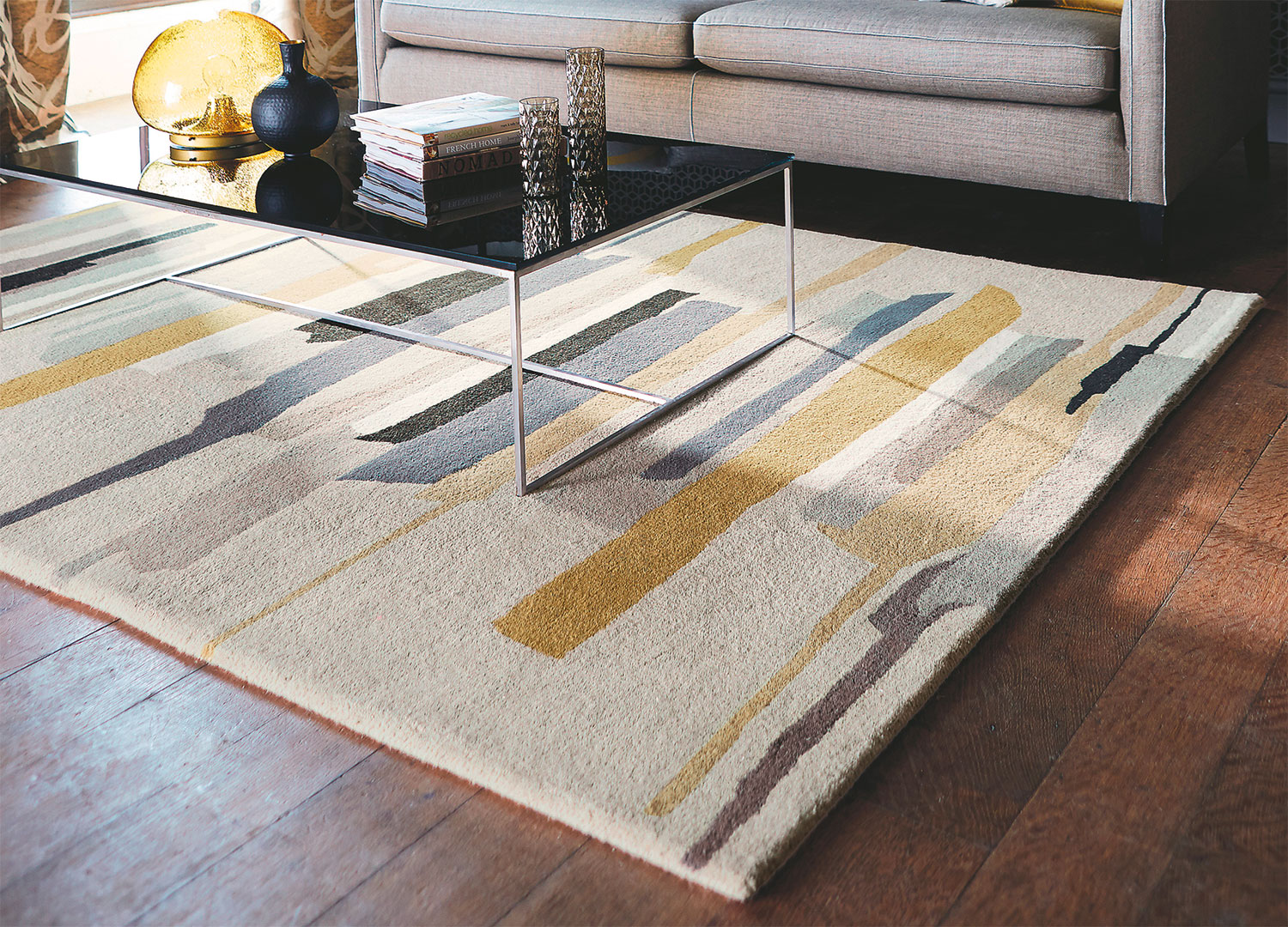
Good care habits add years to any carpet. These steps take little time but make a big difference:
1. Vacuum high-traffic areas two or three times a week, and quieter rooms weekly.
2. Blot spills right away with a clean white cloth. Never rub, because rubbing spreads the stain and damages fibers.
3. Place doormats at every entrance to trap grit before it reaches your carpet.
4. Rotate area rugs every six months so sunlight and foot traffic wear them evenly.
5. Book a professional deep clean roughly every 12 to 18 months, or follow your warranty's requirements.
Final Thoughts
Modern carpet is all about balance. It should feel soft and inviting, yet clean and uncluttered. Start by thinking about how each room gets used. Then choose a fiber that fits your lifestyle, a pile height that matches the traffic, and a color that works with your existing palette.
Whether you go for a calm Japandi texture, a bold abstract rug, or a practical washable runner, the right carpet will make your home feel finished. Order samples, test them in your space, and trust your instincts. After all, you'll be living with your choice every single day.
Frequently Asked Questions
Is carpet still in style for modern homes?
Yes. Carpet remains popular in bedrooms, family rooms, and basements. Modern styles focus on warm neutrals, rich textures, and natural fibers rather than the flat, dated looks of past decades.
What carpet color looks most modern?
Warm neutrals such as oatmeal, greige, sand, and soft taupe look the most current. Deep tones like charcoal and forest green also suit modern homes, especially in bedrooms and media rooms.
What is the most durable carpet for a family home?
Nylon offers excellent durability for busy households, while wool provides a premium natural alternative. A dense, low-pile construction will outlast a loose, high-pile one regardless of fiber.
Which carpet is best for homes with pets?
Choose a low, dense cut pile in nylon or a solution-dyed fiber with built-in stain protection. Machine-washable rugs and carpet tiles also work well, since you can clean or replace sections easily. Avoid large loop Berber, which claws can snag.
Should I choose wall-to-wall carpet or area rugs?
Wall-to-wall carpet offers maximum warmth and sound control, making it ideal for bedrooms. Area rugs give you more flexibility, define zones in open-plan spaces, and let you show off hard flooring underneath.
How long does carpet usually last?
Most carpets last between 5 and 15 years. The lifespan depends on fiber quality, padding, foot traffic, and how well you maintain it.

























Sign in to leave a comment.