

Heavy equipment depends on reliable engine performance to handle demanding workloads across construction, mining, infrastructure development, oil and gas operations, and industrial applications. Engine components are exposed to high temperatures, pressure, friction, and continuous operating stress. Over time, these conditions can cause wear, reduce efficiency, and increase the need for maintenance. Choosing suitable cat engine parts is therefore an important part of maintaining equipment reliability, extending engine service life, and controlling operating costs.
A replacement component should match the engine model, operating requirements, and manufacturer's specifications. Incorrect or unsuitable parts can affect performance, increase the risk of mechanical failure, and lead to additional repair work. A systematic approach to parts selection, preventive maintenance, and timely replacement helps businesses keep machinery ready for demanding working conditions.
Understanding the Importance of Engine Spare Parts
Caterpillar engines are used in a wide range of heavy-duty applications, including earthmoving machinery, industrial equipment, and diesel-powered generators. Each engine contains interconnected components that work together to produce power and maintain stable operation. When one component begins to fail, the effects can extend to other parts of the engine.
Using suitable replacement parts helps preserve engine performance and reduces the likelihood of avoidable breakdowns. It also supports more predictable maintenance planning, particularly for businesses operating equipment on tight project schedules.
Important engine components may include:
- Pistons and piston rings: Support combustion and help maintain compression within the cylinders.
- Cylinder liners: Provide a durable surface for piston movement and can be replaced when wear exceeds acceptable limits.
- Bearings: Support rotating components and help reduce friction during operation.
- Gaskets and seals: Help prevent oil, coolant, and combustion gas leakage.
- Valves and valve components: Regulate the movement of gases into and out of the combustion chamber.
- Fuel system components: Help deliver and manage fuel for efficient engine operation.
- Oil and fuel filters: Help remove contaminants that could damage sensitive engine components.
Selecting each component according to the correct engine configuration is essential for dependable operation and effective repairs.
Selecting the Right Cat Engine Spare Parts
Finding a replacement part involves more than identifying a damaged component. Engine models, serial numbers, component revisions, and operating specifications can influence compatibility. Even parts that appear similar may differ in dimensions, materials, or technical requirements.
Before ordering replacement components, maintenance teams should verify the engine identification details and the exact part number wherever possible. This reduces the possibility of ordering an incompatible component and helps avoid unnecessary delays during repairs.
Several factors should guide the selection process:
- Compatibility: Confirm that the component is appropriate for the specific engine model and configuration.
- Quality and specifications: Check that the part meets the required technical standards and intended application.
- Supplier reliability: Work with suppliers that can help identify the correct component and provide clear product information.
- Operating conditions: Consider engine workload, ambient temperature, dust exposure, and operating hours.
- Availability: Assess lead times for essential components to plan maintenance and reduce equipment downtime.
Azaiba United provides engine and heavy equipment spare parts, with its parts division specialising in components for industrial engines, including Caterpillar, Cummins, and Detroit engines. The company also represents IPD (Industrial Parts Depot), a supplier of aftermarket engine components. This product focus supports parts identification and sourcing for businesses maintaining heavy-duty equipment.
Common Signs That Engine Components Need Attention
Engine problems often develop gradually. Recognising early warning signs allows maintenance teams to investigate the cause before a minor issue develops into a more serious mechanical failure.
Common indicators include:
- Reduced engine power: Worn internal components, fuel delivery issues, or restricted airflow may affect the engine's ability to produce power.
- Increased oil consumption: Worn piston rings, damaged seals, or other mechanical problems may contribute to abnormal oil use.
- Unusual engine noise: Knocking, tapping, or grinding sounds may indicate wear in bearings or other moving components.
- Excessive exhaust smoke: Changes in smoke colour or volume can indicate fuel, lubrication, or combustion-related issues.
- Overheating: Cooling system faults, restricted airflow, or internal engine problems can cause temperatures to rise.
- Oil or coolant leaks: Deteriorated seals, damaged gaskets, or loose connections may allow fluids to escape.
These symptoms do not automatically mean a particular spare part needs replacement. Proper inspection and diagnosis help identify the underlying cause and prevent unnecessary component changes.
The Role of Preventive Maintenance
Preventive maintenance helps reduce unexpected failures by identifying wear and performance changes before they cause significant disruption. For equipment operating in demanding environments, scheduled inspections and servicing are especially important.
A practical maintenance programme should consider the manufacturer's recommended service intervals, engine operating hours, and actual working conditions.
Key maintenance activities include:
- Inspecting fluid levels and checking for leaks.
- Replacing oil, fuel, and air filters at recommended intervals.
- Monitoring coolant condition and engine operating temperature.
- Checking belts, hoses, seals, and accessible connections.
- Reviewing oil consumption, fuel consumption, and engine performance trends.
- Recording repairs, replaced components, and recurring faults.
- Keeping frequently required spare parts available when operational demands justify it.
Dust, high temperatures, heavy loads, and extended operating hours can place additional stress on engine components. Maintenance schedules may therefore need to reflect site conditions as well as standard service recommendations.
How Spare Parts Quality Affects Operating Costs
The cost of an engine replacement component should be considered alongside its suitability, expected service life, and the consequences of equipment downtime. A low initial purchase price does not necessarily represent the lowest overall operating cost if the component fails prematurely or does not meet the engine's requirements.
Suitable parts can support reliable operation when correctly selected, installed, and maintained. Quality control, accurate identification, and proper installation are all important in reducing the risk of repeated repairs.
Businesses should also consider the cost of labour, equipment transport, production delays, and the availability of replacement machinery when evaluating repair options. For equipment that is essential to daily operations, timely access to the correct component can be as important as the component's purchase price.
Azaiba United's provide a related option for businesses that require both component sourcing and technical support. Its wider operations include engine rebuilding, equipment repairs, and workshop services, allowing parts requirements to be considered alongside the condition of the engine and the scope of the repair.
Connecting Spare Parts with Engine Repair Services
Replacing a worn component is not always sufficient to resolve an engine problem. Damage may have affected related parts, or the original failure may have resulted from an underlying lubrication, cooling, fuel delivery, or operating issue. A thorough assessment helps determine whether a component replacement, partial repair, or complete overhaul is appropriate.
For example, excessive bearing wear may require inspection of the crankshaft and lubrication system. Cylinder wear may call for measurements and an assessment of pistons, rings, and liners. Fuel-related performance issues may require testing the fuel injection system before replacement components are selected.
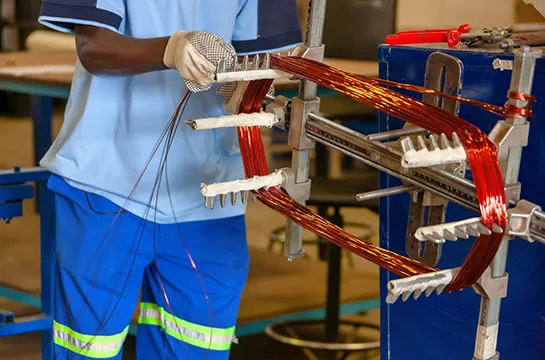
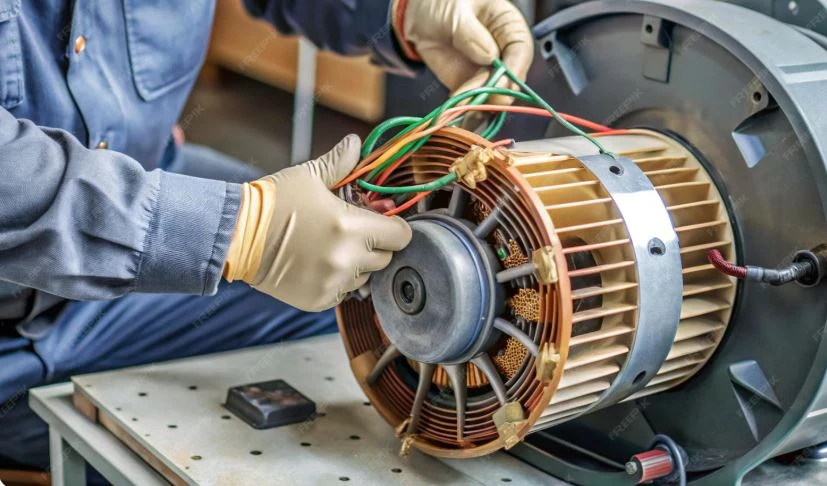
Azaiba United supports this broader approach through its engine repair and overhauling services, which cover engine rebuilding and related mechanical work. Its engineering division also undertakes precision machining and component repair work. These capabilities are relevant when maintenance teams need to assess the condition of engine components rather than simply replace individual parts.
Businesses managing equipment fleets may also need support for non-engine systems. Azaiba United's heavy equipment workshop covers work involving transmissions, hydraulic pumps, hydraulic cylinders, and other machinery components. Addressing these systems as part of a planned maintenance programme can help improve equipment availability and reduce the risk of recurring operational interruptions.
Managing Spare Parts Requirements for Long-Term Reliability
Effective spare parts management starts with understanding the equipment in use. Maintaining records of engine models, serial numbers, service histories, and previously installed components makes future procurement more straightforward. It also helps maintenance teams identify recurring failures and anticipate replacement requirements.
For critical machinery, businesses can establish a list of essential components based on failure risk, delivery lead times, usage patterns, and the consequences of downtime. Frequently required service items may be stocked locally, while less common components can be sourced according to planned maintenance schedules.
Clear communication between operators, technicians, procurement teams, and suppliers further improves the process. Sharing accurate engine details and describing the symptoms of a fault helps suppliers identify suitable parts and reduces the likelihood of ordering errors.
By combining correct component selection, regular inspections, and timely technical intervention, equipment owners can make more informed maintenance decisions and protect the long-term value of machinery.
Discuss Your Engine Spare Parts Requirements
Choosing the right replacement components begins with accurate engine identification and an understanding of the equipment's operating needs. Whether the requirement involves routine servicing, worn internal components, or parts for an engine rebuild, careful selection can help support dependable performance and minimise avoidable downtime.
Get in touch with Azaiba United to discuss your engine and heavy equipment spare parts requirements, clarify component compatibility, and explore suitable parts or repair options for your application.


























Sign in to leave a comment.