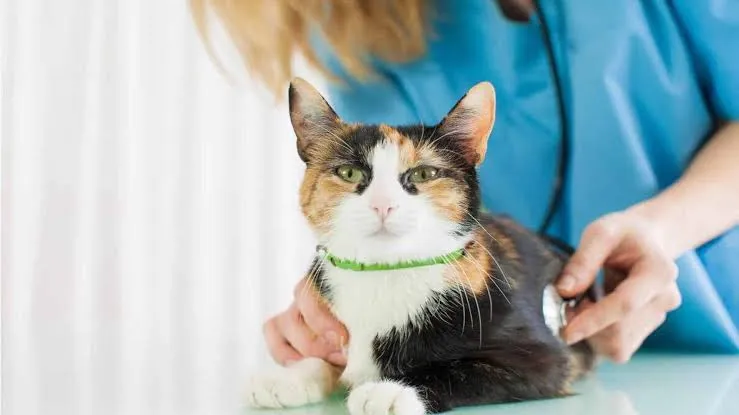

Cats are naturally curious and adventurous animals. Whether they spend their days exploring the outdoors or jumping around the house, minor injuries are almost inevitable. While small cuts and scrapes may heal quickly with proper care, untreated wounds can become infected and lead to serious health complications.
Knowing how to recognize different types of wounds, administer appropriate first aid, and determine when veterinary attention is necessary can make a significant difference in your cat's recovery. This comprehensive guide covers everything pet parents need to know about cat wound care.
Why Proper Wound Care Is Important for Cats
A wound is any injury that breaks or damages the skin or underlying tissues. Even seemingly minor injuries can allow bacteria to enter the body, causing infections, delayed healing, pain, and discomfort.
Proper wound care helps:
- Prevent bacterial infections
- Reduce pain and inflammation
- Promote faster healing
- Minimize scarring
- Prevent complications like abscesses
- Improve your cat's overall comfort
Early treatment often leads to better outcomes and reduces the need for more extensive veterinary care.
Common Causes of Wounds in Cats
Cats can sustain injuries in many ways. Some of the most common causes include:
Cat Fights
Bite wounds and scratches from other cats are among the leading causes of skin injuries. Bite wounds often appear small but can introduce bacteria deep beneath the skin, leading to painful abscesses.
Outdoor Accidents
Sharp fences, branches, rocks, glass, or metal objects can cause cuts and lacerations.
Household Hazards
Broken glass, exposed nails, sharp furniture edges, or kitchen accidents may result in injuries indoors.
Animal Attacks
Dogs or wildlife may cause puncture wounds, deep cuts, or crushing injuries.
Burns
Cats may suffer burns from hot surfaces, chemicals, electrical cords, or heated appliances.
Surgical Incisions
Post-operative wounds require careful monitoring to ensure proper healing and avoid infection.
Types of Cat Wounds
Understanding the type of wound helps determine the best treatment approach.
1. Abrasions
These are superficial scrapes affecting only the top layer of skin.
Common signs:
- Red skin
- Minor bleeding
- Hair loss
- Mild discomfort
2. Lacerations
These are cuts caused by sharp objects.
Signs include:
- Open skin
- Moderate to heavy bleeding
- Visible tissue
- Pain
3. Puncture Wounds
Often caused by bites or sharp objects.
Although they may appear small externally, they can cause significant internal tissue damage and infection.
4. Abscesses
An abscess develops when bacteria become trapped under the skin, creating a pocket of pus.
Symptoms include:
- Swelling
- Warmth
- Pain
- Fever
- Foul-smelling discharge
5. Burns
Burns may be thermal, electrical, or chemical and range from mild redness to severe tissue damage.
Signs That Your Cat Has a Wound
Some wounds are obvious, while others may be hidden beneath the fur.
Watch for these signs:
- Bleeding
- Swelling
- Limping
- Hair loss
- Redness
- Pus or discharge
- Bad odor
- Excessive licking
- Pain when touched
- Lethargy
- Loss of appetite
Long-haired cats may hide wounds, making regular physical checks especially important.
How to Perform Basic First Aid
Minor wounds can often be managed at home until veterinary advice is available.
Step 1: Stay Calm
Cats can become frightened when injured. Approach gently and wrap your cat in a towel if necessary to prevent sudden movements.
Step 2: Control Bleeding
Apply gentle pressure using clean gauze or a soft cloth for several minutes.
If bleeding is severe or doesn't stop within 10–15 minutes, seek emergency veterinary care immediately.
Step 3: Clean the Wound
Rinse the wound gently using:
- Sterile saline solution
- Clean lukewarm water
Avoid using high-pressure sprays.
Step 4: Remove Surface Debris
If dirt or debris is visible, carefully remove it using clean tweezers if easily accessible.
Never dig deeply into a wound.
Step 5: Apply a Pet-Safe Antiseptic
Use only veterinarian-approved antiseptic solutions.
Avoid products containing:
- Hydrogen peroxide
- Alcohol
- Strong iodine solutions
- Human antiseptic creams unless recommended by your veterinarian
These products may damage healthy tissue and delay healing.
Should You Bandage a Cat's Wound?
Not every wound requires bandaging.
Bandages may be helpful when:
- The wound is actively bleeding
- Dirt contamination is likely
- The injury is located on a leg or paw
However, improper bandaging can reduce circulation or trap bacteria.
If you're unsure, consult your veterinarian before applying a bandage.
Prevent Your Cat From Licking the Wound
Cats naturally lick injured areas, but excessive licking can:
- Introduce bacteria
- Remove healing tissue
- Delay recovery
- Reopen wounds
Ways to prevent licking include:
- Elizabethan (E) collars
- Recovery suits
- Veterinary-approved protective collars
When Should You Visit a Veterinarian?
Professional treatment is necessary if your cat has:
- Deep wounds
- Bite wounds
- Heavy bleeding
- Large skin tears
- Puncture wounds
- Burns
- Foreign objects embedded in the skin
- Signs of infection
- Difficulty walking
- Severe pain
- Wounds near the eyes or mouth
Immediate veterinary attention may involve wound cleaning, antibiotics, pain management, sutures, or surgery depending on the injury.
Signs of Wound Infection
Seek veterinary care if you notice:
- Increased swelling
- Redness spreading around the wound
- Yellow, green, or bloody discharge
- Bad odor
- Fever
- Loss of appetite
- Lethargy
- Persistent pain
Prompt treatment helps prevent infections from becoming serious.
Supporting Faster Healing
In addition to wound care, recovery depends on overall health.
Support healing by:
- Providing a balanced, nutritious diet
- Ensuring fresh water is always available
- Keeping your cat indoors during recovery
- Administering medications exactly as prescribed
- Keeping bedding clean and dry
- Monitoring the wound daily
Good nutrition supports tissue repair and strengthens the immune system.
Tips to Prevent Future Wounds
Although accidents can't always be avoided, these steps can reduce your cat's risk:
- Keep cats indoors or supervise outdoor activities.
- Remove sharp objects from your home and yard.
- Introduce new pets gradually to reduce fighting.
- Keep vaccinations current.
- Maintain regular veterinary checkups.
- Trim your cat's nails regularly.
- Use secure fencing for outdoor enclosures.
Preventive care is often the best defense against injuries.
Frequently Asked Questions (FAQs)
1. Can I treat my cat's wound at home?
Small superficial cuts may be cleaned and monitored at home. Deep wounds, bite injuries, burns, or wounds showing signs of infection require veterinary evaluation.
2. Can I use human antiseptic cream on my cat?
No. Many human medications are unsafe for cats. Only use products specifically recommended by your veterinarian.
3. How long does a cat wound take to heal?
Minor wounds typically heal within 7–14 days, while deeper injuries may require several weeks depending on severity and treatment.
4. Why is my cat constantly licking its wound?
Licking is a natural instinct but may delay healing and introduce bacteria. An Elizabethan collar or recovery suit can help prevent excessive licking.
5. What is the most common cause of abscesses in cats?
Cat bite wounds are one of the most common causes of abscesses because bacteria become trapped beneath the skin.
Final Thoughts
Prompt wound care is essential for keeping your cat healthy and comfortable. While minor cuts and scrapes can often be managed with gentle cleaning and close monitoring, deeper injuries, bite wounds, and signs of infection should always be evaluated by a veterinarian. By recognizing wounds early, practicing proper first aid, and following your veterinarian’s recommendations, you can help your feline companion recover quickly and reduce the risk of complications.
























Sign in to leave a comment.