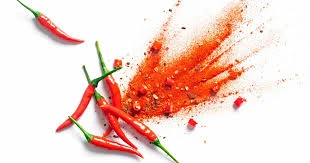

When it comes to spicing up your meals and adding a kick to your dishes, hot peppers are a popular choice. Among the myriad of hot peppers available, cayenne pepper stands out, but how does it compare to other hot peppers? In this article, we'll explore the differences between cayenne pepper and other hot peppers, and help you determine which might be the best for you.
Introduction to Hot Peppers
Hot peppers, also known as chili peppers, are a staple in cuisines around the world. They belong to the Capsicum genus and are renowned for their fiery heat and distinctive flavors. The heat in these peppers is measured using the Scoville scale, which quantifies their capsaicin content, the compound responsible for their spiciness.
What is Cayenne Pepper?
Cayenne pepper is a type of chili pepper that belongs to the Capsicum annuum species. It is typically slender, red, and around 2 to 5 inches long. Known for its bright red color and potent heat, cayenne pepper is commonly dried and ground into a fine powder, which is then used as a spice in various culinary dishes.
Popular Types of Hot Peppers
While cayenne pepper is well-known, there are many other types of hot peppers, each with its own unique characteristics. Some popular varieties include:
Jalapeño: A medium-sized pepper with a moderate heat level, commonly used fresh.Habanero: Known for its intense heat and fruity flavor, often used in hot sauces.Serrano: Smaller and hotter than jalapeños, often used in salsas.Ghost Pepper (Bhut Jolokia): Extremely hot, one of the spiciest peppers in the world.Poblano: Mild in heat, often used in Mexican cuisine, particularly when dried (known as ancho).Nutritional Comparison
Hot peppers, including cayenne, are rich in vitamins and minerals. Here's a nutritional comparison of cayenne pepper versus some other common hot peppers:
Cayenne Pepper: High in vitamin A, vitamin C, vitamin E, and B vitamins. Also contains minerals like manganese, potassium, and iron.Jalapeño: Rich in vitamin C, vitamin B6, and vitamin A. Contains folate, potassium, and manganese.Habanero: High in vitamin C, vitamin A, and vitamin B6. Contains iron, potassium, and dietary fiber.Serrano: Good source of vitamin C, vitamin B6, and vitamin A. Contains manganese, potassium, and folate.Health Benefits
Hot peppers, including cayenne, offer several health benefits due to their high capsaicin content and rich nutritional profile:
Boost Metabolism: Capsaicin can increase metabolic rate and aid in weight loss.Pain Relief: Topical applications of capsaicin are used to relieve pain from arthritis and nerve conditions.Anti-inflammatory Properties: Hot peppers can help reduce inflammation in the body.Heart Health: Regular consumption of hot peppers may help lower blood pressure and cholesterol levels.Culinary Uses
Cayenne pepper and other hot peppers can be used in a variety of culinary applications:
Cayenne Pepper: Ideal for adding heat to soups, stews, marinades, and spice blends. Commonly used in hot sauces and as a seasoning for meats and vegetables.Jalapeño: Frequently used fresh in salsas, salads, and as a topping for nachos and pizzas. Can also be pickled or smoked (known as chipotle).Habanero: Used in hot sauces, salsas, and Caribbean dishes. Adds a fruity, fiery kick to recipes.Serrano: Often used fresh in Mexican cuisine, particularly in salsas and guacamole.Ghost Pepper: Due to its extreme heat, used sparingly in hot sauces and spicy dishes.Choosing the Right Pepper for You
The best hot pepper for you depends on your heat tolerance and culinary preferences:
Mild Heat: If you prefer a milder heat, opt for peppers like jalapeños or poblanos.Moderate Heat: For a bit more kick, serranos or cayenne peppers are great choices.High Heat: If you love intense heat, habaneros or ghost peppers will satisfy your craving.Conclusion
Cayenne pepper and other hot peppers each bring unique flavors and heat levels to your dishes. Understanding their differences in terms of nutritional content, health benefits, and culinary uses can help you choose the best pepper for your needs. Whether you're looking to add a mild zing or a fiery explosion to your meals, there's a hot pepper out there for you.



























Sign in to leave a comment.