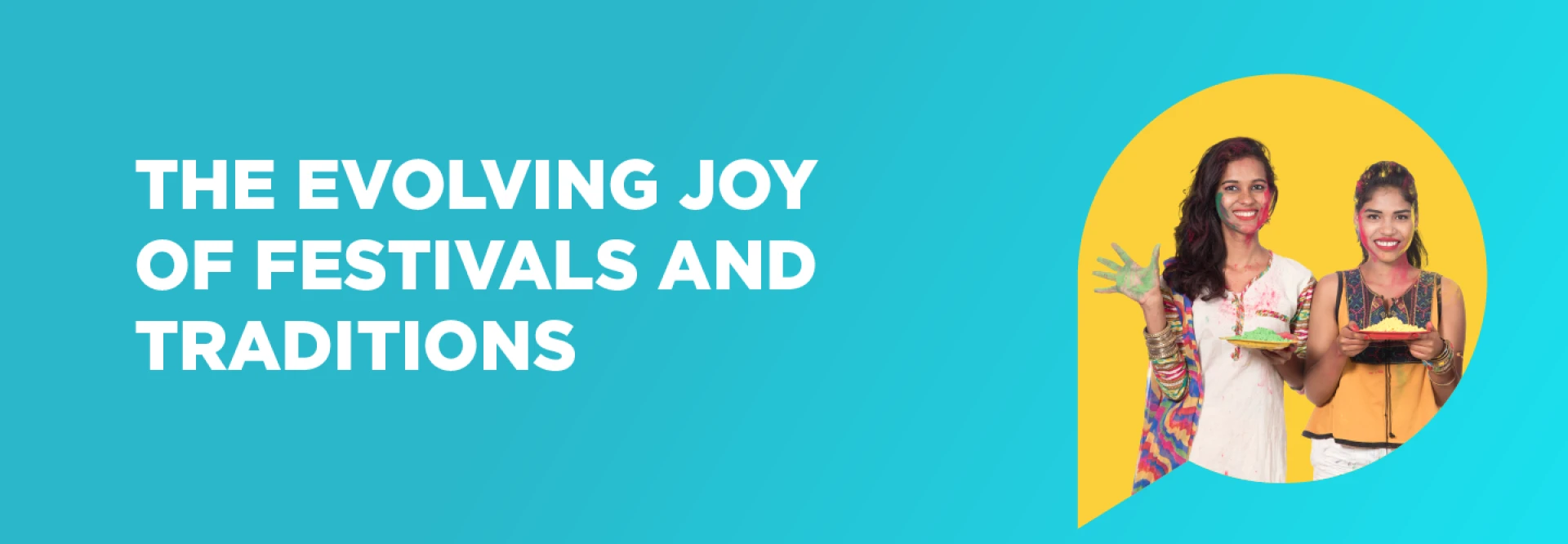

Across cultures, countries, and generations, one thing continues to unite people: celebrations and traditions. Festivals, birthdays, rituals, and special moments have always been more than dates on a calendar — they are how we connect, remember, and belong.
But as the world changes — shaped by technology, faster lifestyles, and shifting values — our ways of celebrating are changing too. The big question is not whether celebrations still matter, but how they are evolving.
Our latest survey offers a revealing look at how people celebrate today, what traditions still mean to them, and why some rituals adapt while others remain timeless.
Festivals Still Matter — Deeply
Despite busy schedules and modern pressures, festivals continue to hold strong emotional value.
Nearly three out of four people say celebrations and traditions are still important in their lives. These moments offer something rare in today’s world: a pause. A chance to slow down, reconnect, and feel rooted in identity, culture, and shared history.
Even in 2025, festivals act as emotional anchors — bringing people together when routines feel overwhelming and distances feel wider than ever.
How Often Do People Celebrate?
Participation in cultural and religious celebrations remains high worldwide. While some rituals may be simplified or skipped, people still show up for what matters most: connection, nostalgia, and togetherness.
Celebrations today are less about following every rule and more about choosing meaning over obligation. The focus has shifted from “doing it all” to doing what feels right.
Celebrations Are About People — Mostly Family
When asked who people celebrate with, the answer was clear: family comes first.
Even in an age of individualism and digital living, celebrations remain deeply communal. They revolve around the people closest to us — parents, siblings, partners, and chosen family. At their core, celebrations are still about togetherness, and families remain the emotional center of these moments.
How Do People Prefer to Celebrate?
Two themes stand out strongly:
1. Food is universal joy
From festive feasts to birthday cakes, food continues to be one of the most powerful expressions of celebration. It brings people together across cultures and generations, turning shared meals into shared memories.
2. Traditional rituals still matter
More than one in five people still prefer traditional celebrations, proving that rituals are far from fading away. Even when adapted, they remain powerful emotional and cultural anchors.
Celebrations Are Changing — Not Disappearing
When asked how celebrations have changed over time, many said they’ve evolved — some slightly, others significantly.
What’s driving this shift?
- Busier lifestyles
- Digital influence
- Global exposure
- Smaller family units
- Lifestyle and value changes
- New-age celebration trends
People still love festivals; they’re simply celebrating them in ways that fit modern life.
Are Traditions Still Relevant Today?
Despite assumptions that younger generations are drifting away from tradition, the data tells a different story.
An overwhelming majority believe traditions still matter. Why? Because traditions provide identity, comfort, continuity, and belonging. They preserve culture, strengthen relationships, and create memories that last.
Even as celebrations evolve, traditions remain the emotional backbone that keeps them meaningful.
Passing Traditions Forward
Nearly 78% of people say they are committed to passing down traditions to the next generation. This shows that traditions are not fading — they are being carried forward intentionally.
People want future generations to experience the same joy, connection, and sense of belonging that celebrations brought into their own lives.
Celebrations Are Changing, but the Magic Remains
Modern life may look different, but the heart of celebrations remains the same: laughter around the table, the aroma of festive food, familiar rituals, and the warmth of shared moments.
Traditions evolve. Celebrations transform. But their purpose stays timeless — to remind us who we are, where we come from, and who we belong with.
Because no matter how the world changes, the joy of celebrating together never truly fades.




















Sign in to leave a comment.