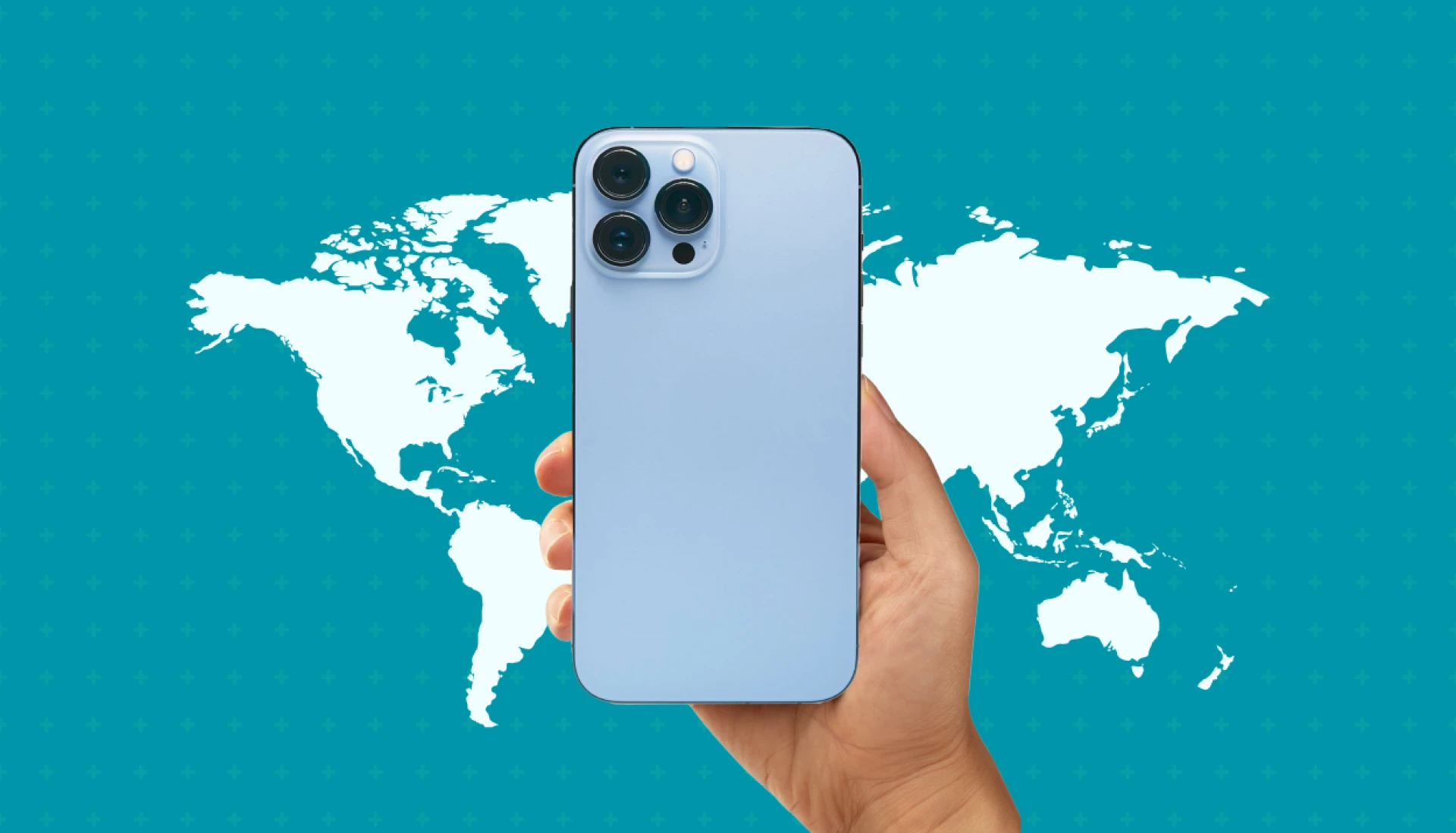

When was the last time an iPhone announcement genuinely wowed you? If you’re struggling to remember, you’re not alone. The launch of the iPhone 16 felt more like a routine update than a revolution. Meanwhile, Android competitors are pushing boundaries with foldable screens, 200MP cameras, AI-powered features, and flagship killers priced under $300.
This shift raises a critical question: Has Apple’s dominance in the smartphone market finally reached its limit?
The Numbers Game: Who Really Leads the Market?
According to Canalys (Q1 2025), Samsung leads the global smartphone market with a 20% share, while Apple trails just behind with 19%. Although Apple dominates in the U.S. and Japan, markets like India and Southeast Asia tell a different story—price-sensitive buyers are choosing Android alternatives packed with features at half the cost.
Revenue-wise, Apple still holds the upper hand thanks to its premium pricing and higher profit margins. But when it comes to sheer unit sales, Android OEMs collectively ship far more devices. The picture is clear: Apple’s financial lead remains, but its volume dominance is slipping.
Has Apple’s Innovation Slowed Down?
Apple is still unmatched in chip performance, security, and device integration. But when it comes to wow-factor features, the iPhone’s upgrades feel increasingly incremental.
- Samsung is pushing foldables into the mainstream.
- Google is betting big on AI-first smartphones.
- Xiaomi and OnePlus deliver cutting-edge hardware at nearly half the price of an iPhone.
For buyers, it’s not just about the Apple logo anymore. The competition is closing the gap with innovation-per-dollar that’s hard to ignore.
Why Apple’s Ecosystem Still Reigns Supreme
Here’s Apple’s secret weapon: the ecosystem. From iMessage and AirDrop to iCloud, AirPods, and Apple Watch, no competitor has replicated the same seamless experience. Once you’re inside the ecosystem, it’s tough to leave.
That’s why services like Apple Music, iCloud, and Apple TV+ continue to grow, helping Apple offset slowing iPhone sales. Even if the iPhone itself feels less innovative, Apple’s ecosystem creates a sticky loyalty loop.
The Competitors Catching Up
Brands like Samsung, Xiaomi, Honor, and Nothing aren’t just playing catch-up anymore—they’re taking risks Apple won’t. Foldables, transparent designs, 200MP cameras, and lightning-fast charging are just the beginning.
For consumers, this means choice. For Apple, it means one thing: adapt or lose ground.
What Consumers Really Think
A growing number of smartphone users are rethinking their priorities:
- 70% still consider brand reputation important.
- But factors like camera quality, battery life, and sustainability are now taking center stage.
- With budget-friendly Android options, many are asking: Is an iPhone still worth the premium price?
China: Apple’s Biggest Risk & Opportunity
China, one of Apple’s most important markets, is also one of its biggest headaches. Local giants like Huawei and Xiaomi are winning over buyers with advanced features at lower costs. On top of that, geopolitical tensions and regulations could threaten Apple’s supply chain and sales growth.
Discounts (up to $351 off iPhones) have helped keep Apple afloat, but the competition in China is fiercer than anywhere else.
The AI Factor: The Next Smartphone War
The future of smartphones is AI-driven. Competitors are racing to integrate AI for:
- Smarter photography
- Predictive user experiences
- Advanced voice assistants
Apple’s AI approach is more conservative, focusing on privacy and ecosystem balance, while Google and Samsung are experimenting more openly. If Apple doesn’t push harder here, it risks falling behind in the next tech wave.
Are Premium Phones Still Worth It?
Apple still dominates the premium market, but with Android brands offering high-end features in mid-range devices, the value gap is shrinking.
According to Counterpoint Research, Android brands made up 80% of global smartphone shipments in 2024, while Apple saw a slight dip in demand for its pricey models.
The takeaway? Price matters. And Android is winning the affordability battle.
The Bottom Line: Apple’s Smartphone Future
Apple isn’t doomed—not even close. Its ecosystem, brand loyalty, and services give it a solid foundation. But the company can’t afford to rely only on its past glory.
The real question isn’t whether Apple will survive—it will. The question is: Will Apple lead the next era of smartphones, or follow?
👉 Want a deeper dive into Apple’s smartphone future? Read the full blog here.
























Sign in to leave a comment.