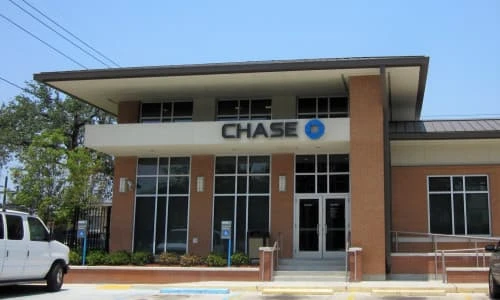

Chase Bank real estate continues to draw strong interest from investors who prioritize credit quality, stable income, and long term demand fundamentals. Properties leased to major financial institutions often occupy a unique position within the net lease market, combining conservative risk profiles with highly desirable locations. For investors focused on dependable cash flow and capital preservation, Chase Bank real estate represents an asset class closely aligned with long term investment objectives.
This article examines the factors behind the appeal of Chase Bank real estate, with a focus on credit strength, market demand, and the structural characteristics that support consistent performance across economic cycles.
Defining Chase Bank Real Estate as an Investment Asset
Characteristics of Chase Bank Real Estate
Chase Bank real estate typically consists of single tenant properties occupied under long term leases. These assets are often freestanding buildings or prominent corner sites designed to maximize visibility and accessibility. The real estate itself is usually located in established commercial corridors, reinforcing long term viability and tenant commitment.
The value proposition is driven by a combination of strong tenant operations and strategically selected locations. Investors often view these properties as income focused assets rather than speculative growth plays.
Role Within the Net Lease Market
Within the broader net lease universe, Chase Bank real estate is often categorized as a low volatility investment. Predictable lease structures and minimal operational involvement make these properties attractive to investors seeking consistency. As a result, they are frequently included in portfolios designed to emphasize stability and income durability.
Credit Strength as a Core Investment Driver
Importance of Tenant Credit Quality
Credit strength is one of the most critical factors influencing the valuation and desirability of net lease assets. Chase Bank real estate benefits from association with a tenant that operates at a national scale and maintains significant financial resources. Strong credit reduces perceived default risk and supports confidence in long term rent payments.
For institutional and private investors alike, credit quality often takes precedence over short term yield. The assurance of reliable income is a key reason why Chase Bank real estate commands sustained demand.
Impact on Financing and Valuation
High credit quality can positively influence financing terms and overall asset valuation. Lenders often view Chase Bank real estate as lower risk, which may translate into favorable loan structures. From a valuation perspective, strong credit supports tighter capitalization rates and enhances liquidity in the resale market.
Lease Structures Supporting Income Stability
Long Term Lease Commitments
Chase Bank real estate is commonly associated with extended lease terms that provide income visibility over many years. Long lease durations reduce rollover risk and allow investors to plan with greater certainty. This predictability is especially valuable for those managing long term liabilities or retirement focused portfolios.
Rent Escalation Provisions
Many leases include scheduled rent increases designed to support gradual income growth. These escalations help protect purchasing power over time and align with long term income strategies. While increases may be modest, their cumulative effect can be meaningful for long term holders.
Limited Expense Exposure
In many cases, tenants are responsible for property taxes, insurance, and maintenance. This structure limits expense volatility and simplifies ownership. Investors benefit from cleaner cash flow projections and reduced management requirements.
Market Demand for Bank Oriented Real Estate
Strategic Importance of Physical Locations
Despite continued growth in digital banking, physical locations remain an important component of customer engagement and brand presence. Chase Bank real estate benefits from this ongoing demand for accessible, visible locations that serve both individuals and businesses.
Market demand is reinforced by the strategic placement of these properties in areas with strong demographics and economic activity.
High Barriers to Entry in Prime Locations
Many Chase Bank real estate assets occupy infill or high traffic sites where new development opportunities are limited. Scarcity of comparable locations supports long term demand and helps preserve property value. Investors often view these barriers to entry as a form of downside protection.
Location Fundamentals and Site Selection
Placement in High Traffic Corridors
Chase Bank real estate is frequently located along major roads, intersections, and retail corridors. High traffic exposure enhances operational performance and reinforces the importance of the location. From an investment standpoint, strong visibility contributes to tenant retention and long term relevance.
Urban and Suburban Market Balance
These properties are found across a mix of urban and suburban markets, allowing investors to diversify geographically while maintaining consistent asset quality. Exposure to multiple market types can help mitigate localized economic risks.
Demographic and Economic Support
Successful locations are typically supported by population density, employment centers, and surrounding commercial activity. These factors contribute to sustained demand for financial services and support the long term outlook for Chase Bank real estate.
Performance Across Economic Cycles
Defensive Characteristics
Financial services are essential to economic function, which lends a defensive quality to Chase Bank real estate. Even during periods of economic stress, demand for banking services tends to persist. This resilience supports ongoing occupancy and rent collection.
Lower Sensitivity to Retail Trends
Unlike discretionary retail categories, bank properties are less affected by shifting consumer preferences or seasonal spending patterns. This reduced sensitivity helps stabilize income and makes the asset class appealing during uncertain market conditions.
Portfolio Diversification Advantages
Stabilizing Income Focused Portfolios
Chase Bank real estate can serve as a stabilizing element within diversified portfolios. Its income driven nature complements higher growth or higher risk assets, helping balance overall portfolio performance.
Correlation Benefits
The performance drivers of Chase Bank real estate often differ from those of other real estate sectors. This lower correlation can improve portfolio efficiency and reduce volatility over time.
Liquidity and Exit Considerations
Consistent Buyer Demand
Chase Bank real estate attracts interest from a wide range of investors, including institutions and high net worth individuals. Consistent demand supports liquidity, which is an important consideration even for long term investors.
Transparent Underwriting
Clear lease terms and well understood tenant profiles simplify underwriting. Transparency reduces uncertainty and facilitates smoother transactions when investors decide to exit.
Long Term Value Preservation
Adaptability of Property Design
Many Chase Bank real estate assets feature adaptable building layouts and ample parking. In the event of tenant turnover, these characteristics can support re tenanting or alternative uses, providing downside protection.
Enduring Relevance of Banking Locations
While the banking industry continues to evolve, physical locations remain relevant for advisory services, business banking, and customer interaction. This enduring relevance supports long term confidence in the asset class.
Key Considerations for Investors
Remaining Lease Term
Investors should carefully evaluate the remaining lease term, as it plays a significant role in income security and valuation. Longer remaining terms generally align better with long term investment horizons.
Local Market Fundamentals
Understanding local economic conditions, traffic patterns, and competitive supply is essential. Strong market fundamentals enhance the long term outlook for Chase Bank real estate.
Entry Pricing Discipline
Acquiring assets at appropriate valuations is critical for achieving target returns. Conservative entry pricing helps investors withstand market fluctuations while maintaining stable cash flow.
Conclusion
Chase Bank real estate stands out as a net lease asset defined by credit strength and sustained market demand. Long term leases, strategic locations, and defensive characteristics make it particularly appealing to investors focused on income reliability and capital preservation. As part of a diversified real estate strategy, this asset class continues to offer stability and transparency across market cycles.
For continued insights, research, and analysis on net lease investment trends, follow NNN Trends by Equity CRE.




























Sign in to leave a comment.