
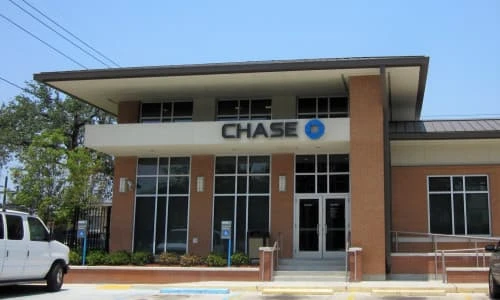
Chase Bank real estate continues to attract attention from investors seeking stable income, low volatility, and long term security. Within the broader net lease and retail investment landscape, bank occupied properties are often viewed as defensive assets due to their essential service nature and disciplined operating models.
The appeal of Chase Bank real estate is closely tied to two critical factors. These include the strength of the tenant and the structure of the lease agreements that govern occupancy. Together, these elements create an investment profile that aligns well with income focused and risk aware strategies.
Understanding how lease structure and tenant strength contribute to the performance of these properties provides valuable insight for investors evaluating bank related real estate assets.
The Role of Tenant Strength in Real Estate Performance
Tenant strength is a foundational consideration in any single tenant investment. A strong tenant reduces the likelihood of income disruption and supports long term asset value.
Financial Stability and Credit Quality
Financial institutions operating physical branch networks typically exhibit strong balance sheets and diversified revenue streams. This financial stability supports consistent rent payments and long term lease compliance.
For real estate investors, strong credit quality reduces default risk and enhances confidence in projected cash flow.
Long Term Operational Commitment
Bank branches are rarely short term experiments. Locations are selected through extensive market analysis and are intended to serve communities for extended periods.
This long term operational commitment translates into longer occupancy durations and lower turnover compared to many other retail tenants.
Essential Service Demand
Banking services remain essential for both individuals and businesses. While digital platforms have expanded, physical locations continue to support relationship based services, complex transactions, and local market presence.
This ongoing relevance reinforces tenant durability and supports long term real estate performance.
Lease Structure Fundamentals in Bank Real Estate
Lease structure plays a critical role in shaping the risk profile and return consistency of Chase Bank real estate investments.
Long Initial Lease Terms
Bank occupied properties often feature long initial lease terms that can extend for decades. These extended agreements provide income certainty and reduce the need for frequent lease negotiations.
Long lease durations are especially attractive to investors seeking predictable returns and minimal administrative involvement.
Net Lease Characteristics
Many Chase Bank real estate assets operate under net lease structures. In these arrangements, the tenant typically assumes responsibility for property taxes, insurance, and maintenance.
This structure protects net operating income and shields owners from unexpected operating expenses.
Contractual Rent Increases
Lease agreements commonly include scheduled rent increases. These escalations help offset inflation and support gradual income growth over time.
Predictable increases enhance the long term value proposition of bank real estate investments.
Site Selection and Location Quality
Strong lease structures are most effective when paired with high quality locations. Site selection is a defining element of Chase Bank real estate.
High Visibility Locations
Bank branches are frequently located along prominent retail corridors with strong traffic patterns. High visibility supports customer awareness and accessibility.
These corridors tend to retain value due to their established commercial activity and infrastructure.
Demographic Stability
Locations are selected based on population density, income levels, and long term growth potential. Markets with stable demographics reduce exposure to sudden economic shifts.
Demographic alignment supports sustained branch usage and reinforces long term tenant commitment.
Accessibility and Convenience
Ease of access is essential for banking customers. Properties typically offer convenient parking, clear signage, and straightforward entry points.
Accessibility also enhances the potential for future reuse if market needs evolve.
Income Stability and Risk Mitigation
Conservative and income oriented investors place a premium on stability. Chase Bank real estate offers several features that support this objective.
Reduced Volatility Compared to Other Retail
Bank real estate generally experiences lower volatility than discretionary retail categories. Demand for financial services is less sensitive to consumer spending cycles.
This reduced volatility supports consistent rental income even during periods of economic uncertainty.
Lower Management Requirements
Net lease structures minimize owner responsibilities related to maintenance and operations. This simplicity appeals to investors seeking passive income streams.
Lower management intensity also reduces the risk of operational disruptions impacting returns.
Predictable Exit Scenarios
Properties leased to strong tenants in prime locations often attract broad investor interest. This liquidity enhances exit flexibility and supports asset value preservation.
Predictable exit scenarios are an important consideration for long term planning.
Performance During Economic Cycles
A key consideration for any real estate investment is performance during economic stress. Chase Bank real estate has historically demonstrated resilience during such periods.
Defensive Sector Characteristics
Financial services are considered a defensive sector. Even during economic downturns, individuals and businesses continue to require access to banking services.
This defensive positioning supports tenant performance and reduces income disruption risk.
Stability During Market Shifts
While branch formats may evolve over time, well located properties continue to serve strategic purposes. This adaptability helps maintain occupancy and relevance.
Stable performance during market shifts enhances investor confidence.
Reuse Potential and Long Term Value
Although long term occupancy is the goal, conservative investors also evaluate reuse potential as a form of downside protection.
Flexible Property Designs
Many bank properties feature layouts that can be adapted for alternative professional or retail uses. Standalone structures and ample parking support a range of future applications.
This flexibility provides a safeguard against long term changes in tenant strategy.
Strong Underlying Land Value
Prime locations contribute to strong underlying land value. Even if tenant needs change, the real estate itself often remains desirable.
This residual value supports capital preservation objectives.
Long Term Outlook for Chase Bank Real Estate
The long term outlook for Chase Bank real estate remains favorable due to disciplined site selection, strong tenant fundamentals, and investor friendly lease structures. While the banking industry continues to evolve, physical locations retain strategic importance.
Investors seeking assets that combine income stability with long term relevance continue to view bank real estate as a core portfolio component. Properties that align tenant strength with structured lease agreements are well positioned to perform across market cycles.
As uncertainty persists in broader markets, assets offering simplicity, durability, and predictable returns are likely to remain in demand.
Conclusion
Chase Bank real estate appeals to investors because it combines strong tenant fundamentals with lease structures designed to deliver long term income stability. High quality locations, essential service demand, and predictable cash flow make these properties a compelling option for conservative and income focused portfolios.
For investors seeking deeper insight into bank focused net lease opportunities and market trends, experienced guidance can be invaluable. NNN Trends by Equity CRE provides strategic analysis and industry perspective to help investors navigate opportunities within the evolving net lease real estate landscape.



























Sign in to leave a comment.