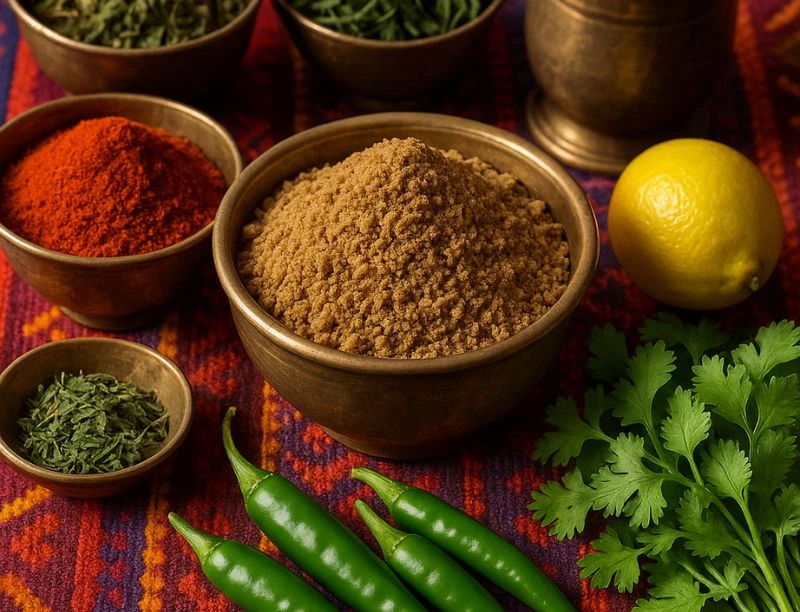

Chat masala is not just a spice mix or a seasoning; it is a symbol of pungent spices that elevate every Nepali street food and traditional dish to great heights with its rich flavor. Its versatility allows it to be sprinkled over soft fruits, salads, or chaats, transforming ordinary dishes into rich delicacies and inspiring creative culinary experiments.
In this article, ingredients, uses, popularity, health benefits, and the growing market of this masala in Nepal will be presented, along with arguments as to why the traditional spice blend this masala has become an integral part of Nepali life.
Chat masala is an ancient spice blend characterized by a pungent, spicy, and sour flavor profile. It is not only native to the Indian subcontinent but has also become a prominent condiment in Nepali cuisine, used in both homemade meals and street food.
Its widespread use in Nepal is a testament to the country's love for intense flavors and versatile condiments, and it has become an integral part of Nepali life, particularly in the vibrant street food culture.
They create the pungent blend by combining spices such as dried mango powder (amchur), black salt (kala namak), cumin, coriander, dry ginger, black pepper, and chili powder.
In Nepal, this masala has become a standard condiment in cities and semi-urban areas, where the street food culture is vibrant.
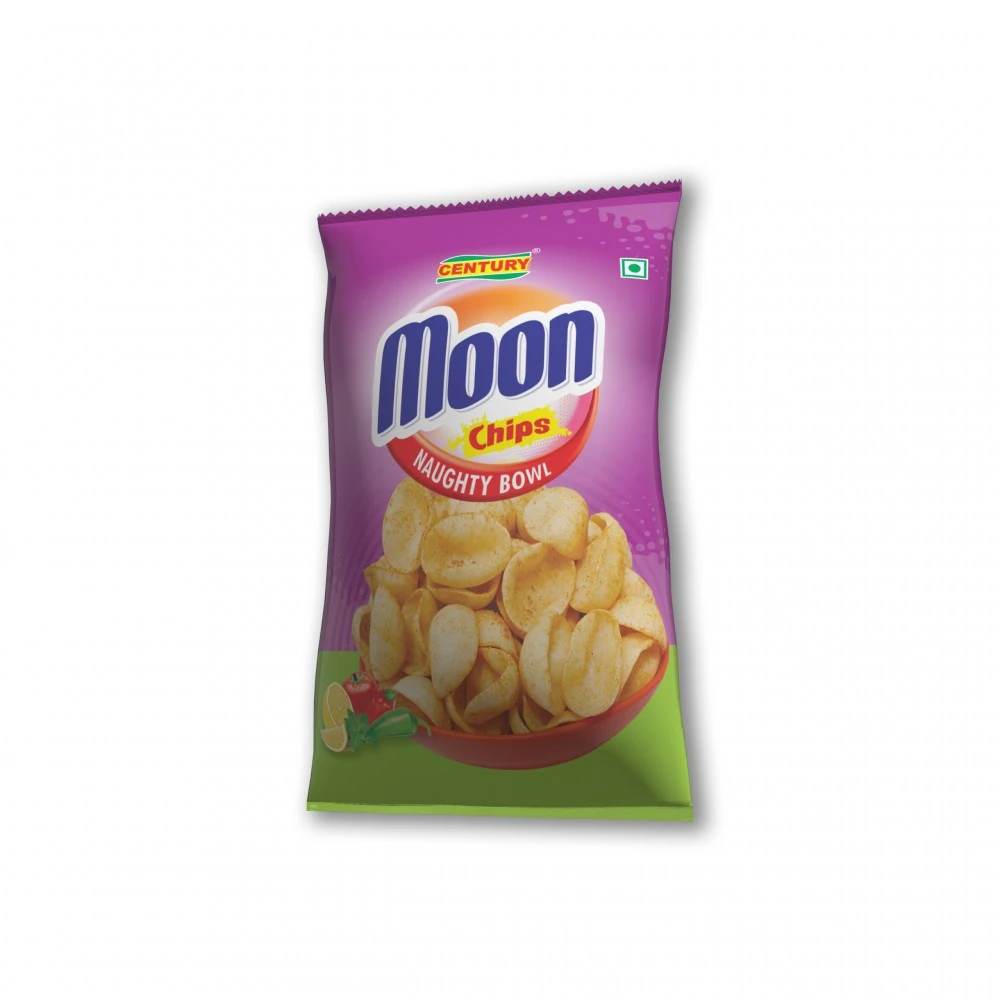
Century Spices & Snacks, an ISO-certified trademark of Dugar Spices and Food Products Pvt. Ltd., offers a wide array of products. Century Foods also produces chat masala among its products.
Widespread Uses of Chat Masala in Nepal
People widely revere it for its diverse range of flavors. In Nepali cuisine, they apply it universally to:
- Sprinkle Over Fruits: Thin slices of apples, guava, papaya, watermelon, and even banana are often sprinkled with this masala for a tangy taste.
- Flavor Chaats: Whether it's aloo chaat, chana chaat, or bhelpuri, this masala is sprinkled generously to bring out the flavors.
- Salad Toppings: Vegetable salads, featuring cucumber, carrot, tomato, and onion, are enhanced with a sprinkle of this masala.
- Street Food Flavoring: From pani puri and sekuwa platter to momo achar, it is a finishing ingredient that street food vendors often use.
- Home Cooking: It is commonly used by most households as a finishing garnish over dals, curries, or rice to add a subtle, tangy flavor layer.
Health Benefits of Chat Masala
In addition to its taste, people in Nepal value this masala for its perceived health benefits. For instance, black salt, ajwain, and dried ginger help improve digestion and eliminate bloating. The spicy and sour character of this masala can stimulate the appetite. Ingredients like cumin and coriander contain antioxidants that are likely to boost immunity, providing reassurance about the health benefits of your favorite spice blend.
- Improves Digestion: Black salt, ajwain, and dried ginger help improve digestion and eliminate bloating.
- Stimulates Appetite: The hot and sour taste of this masala may stimulate the Appetite.
- Rich in Antioxidants: Cumin and coriander spices have antioxidants that will boost immunity.
But only in a small amount, as too much would irritate the stomach because of too much salt.
Chat Masala and Nepali Street Food Culture
In the cities of Kathmandu, Pokhara, and Biratnagar, it is indispensable in street food shops. The shopkeepers freely sprinkle it on chaats, potato fries, and fried noodles as well.
In festivals, fairs, and rural festivals, this masala-topped chaats are a top-selling snack.
Growing Market of Chat Masala in Nepal
With increasing urbanization and changes in food patterns, the demand for this masala in Nepal has skyrocketed. Supporting this surge are:
- Expansion of supermarket chains to the urban and rural areas.
- Increased street food stalls employing this masala.
- Food from India's influence.
- Adventures of young people with international food and fusion foods.
International and local companies are expanding their distribution channels to meet the rising demand.
Homemade Chat Masala vs. Store-bought Chat Masala in Nepal
Although market-leading, commercially packed this masala exists, Nepali families mostly prepare their own. Families prefer to roast and grind spices at home to have control over the quality and strength of flavor.
Shop-bought ones offer convenience, consistency, and cost-effectiveness, making them ideal for busy urban families.
For More Details, Click Here










Sign in to leave a comment.