

Moong dal, also known as mung dal or yellow split lentils, is the most favorite legume in Nepali hearts. From the perspectives of nutritional quality, digestibility, and diversity of preparation, moong dal has been a culinary miracle in Nepalese kitchens. It is widely used in traditional cooking, where its nutritional value serves as a foundation for its popularity. It is one of the most readily available products in the agricultural and commercial markets.
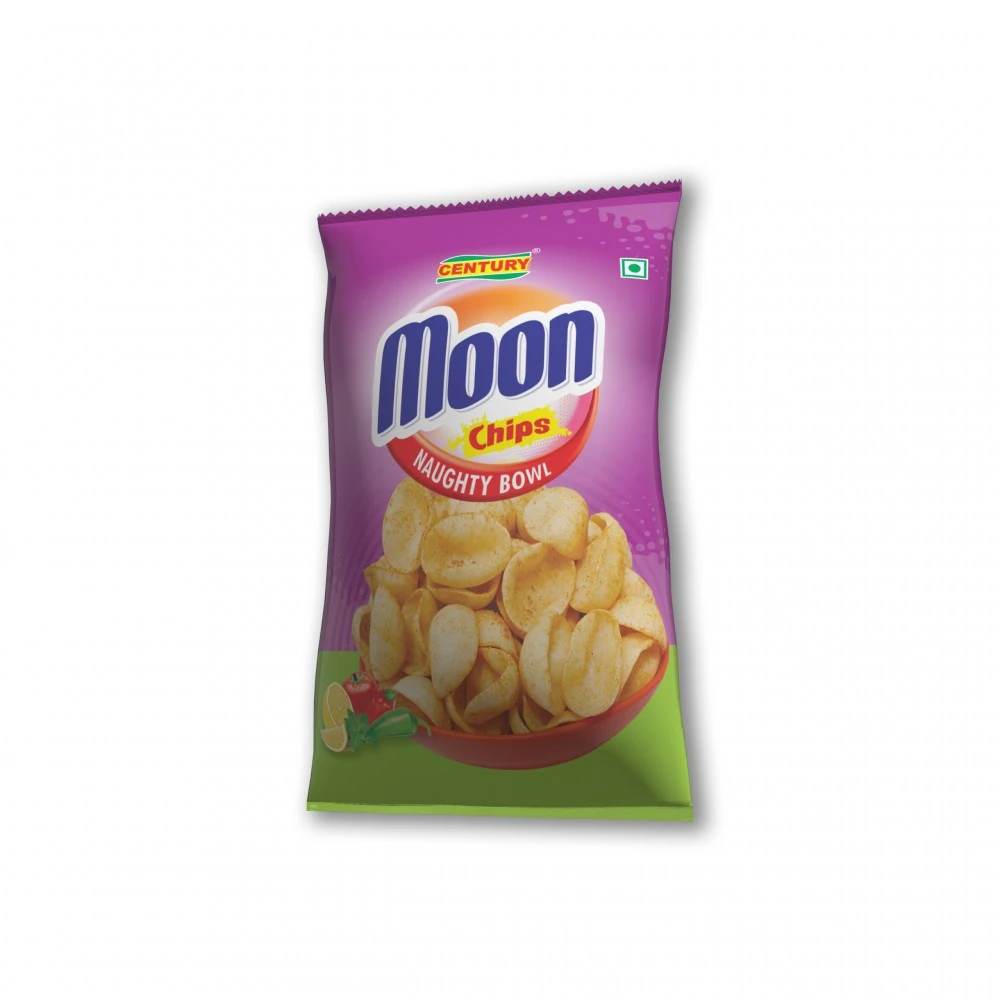
Then, a variety of goods are available under Century Spices & Snacks, a trademark of Dugar Spices and Food Products Pvt. Ltd., which has received ISO certification. One of Century Foods' products is Moong Dal.
Nutritional Value of Moong Dal
Moong dal is often referred to as a nutritional wonder. Moong dal is high in protein, fiber, vitamins, and minerals and is a non-vegetarian and vegetarian food component. For example:
Source of Protein: When cooked, moong dal contains approximately 14 grams of protein per cup, making it an ideal source for tissue growth and repair.
Digestibility: Moong dal is highly digestible and can be safely given to children, older adults, and convalescent patients. Protein-carbohydrate content in the belly is less irritable than in other legumes.
Nutrient-Dense: It is rich in iron, magnesium, potassium, and folate, all of which play significant roles in making energy, stimulating bone growth, and overall helping with health.
Low Fat: Its low fat level makes moong dal perfect for a healthy meal and weight management.
Antioxidant Property: Moong dal contains antioxidants that inhibit the body’s free radical activity, resulting in overall long-term health benefit.
All these characteristics establish moong dal as a Nepali functional food with nutritional and health significance.
Cultural and Culinary Significance
Moong dal is a part of Nepali culture. It’s consumed as a daily food, especially by those whose families prefer light and easy meals. It’s so easy to make, and therefore, it’s a great side dish accompaniment and a staple food in Nepali culture.
Daily Intake: Moong dal is consumed daily as a staple food by the majority of Nepali families due to its digestibility and lightness.
Medical Use: Moong dal is used in traditional Nepali medicine during the convalescence phase and in patients with gastrointestinal upsets due to its readily absorbable nutritional properties.
Cultural Importance: Moong dal is consumed due to its simplicity of use and nutritional value, and is also used in rituals and traditional dishes among both urban and rural populations.
Moong dal, as opposed to other pulses, which take hours to prepare and spice, is available in a swift preparation where it does not infringe upon the legume’s original taste.
Moong Dal Cultivation in Nepal
The agro-climatic conditions of Nepal are favorable for moong dal cultivation, and farmers plant it in various locations as part of a soil-mulching, fertile crop rotation, and even for a continuous supply to local markets.
Agri-zones: Moong dal is cultivated on a large scale in the Terai belt, where favorable, auspicious, and fertile plains, along with favorable climatic conditions, support large-scale cultivation.
Local Agronomic Practices: Farmers adhere to local agronomic practices to achieve optimal yields from new seed varieties. Crop handling practices ensure that the quality of moong dal meets the expectations of consumers.
Economic Support: Moong dal production sustains rural livelihood and the rural economy. The farmer sells most of the produce to the market or cooperatives and hence ensures agricultural development based on the community as well.
Additionally, greater importance is attached to cultivating organic and pesticide-free moong dal to address the growing demand for healthy food in urban Nepal.
For More Details, Click Here




























Sign in to leave a comment.