

High, defined cheekbones have long been associated with youth, beauty, and facial symmetry. For individuals seeking to enhance their facial contours, cheek augmentation offers a transformative solution. Whether you’re considering this procedure for cosmetic enhancement or facial balance, understanding the recovery process, expected results, and important considerations is key to making an informed decision.
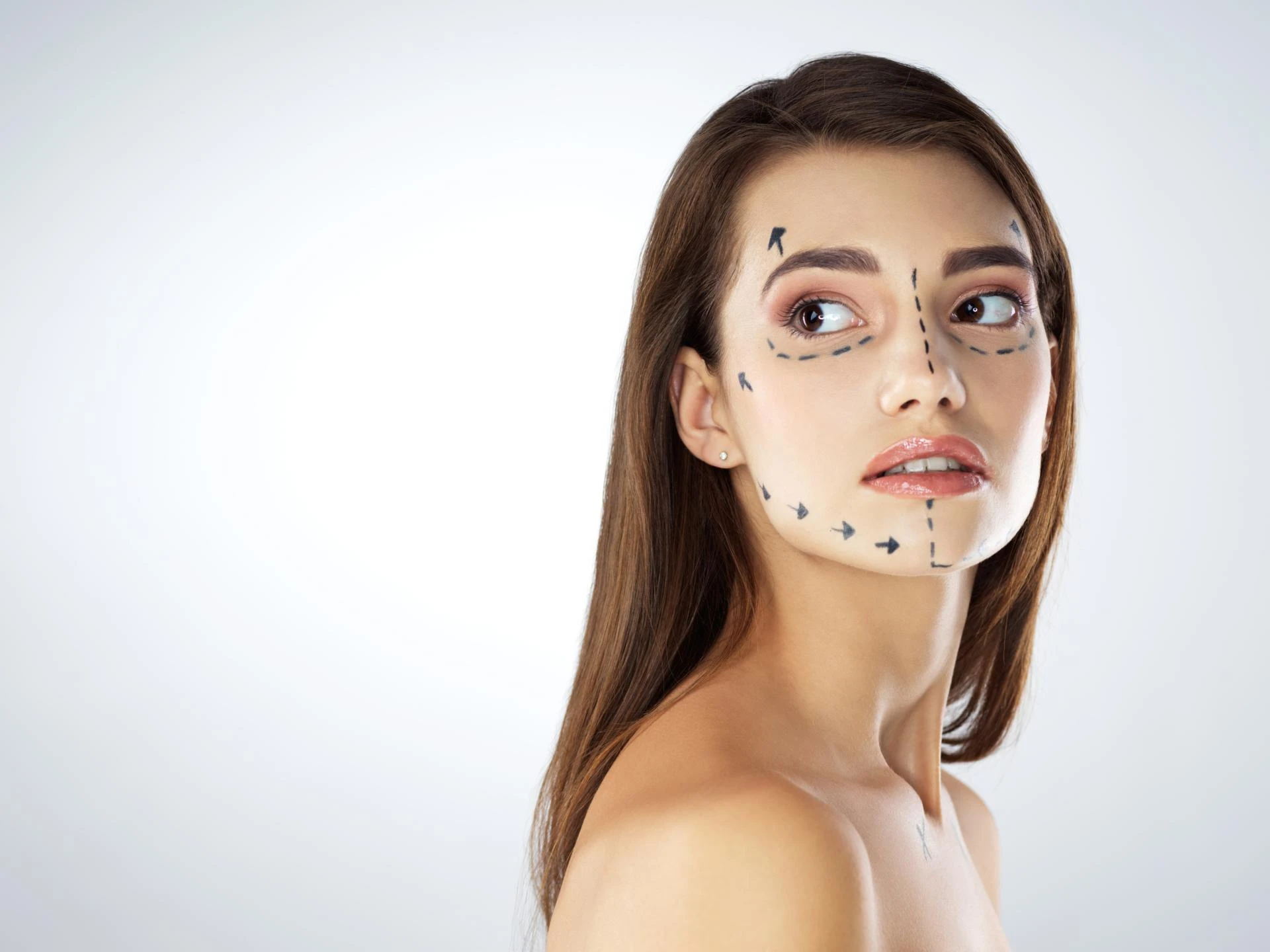
In this blog, we will explore everything you need to know about cheek augmentation in Mumbai, from what it entails to how to prepare and what to expect during recovery.
What Is Cheek Augmentation?
Cheek augmentation is a cosmetic procedure designed to enhance the volume and contour of the cheeks, giving the face a fuller, more youthful appearance. It can be performed using:
- Dermal fillers (non-surgical)
- Cheek implants (surgical)
- Fat grafting (semi-permanent)
Types of Cheek Augmentation Procedures
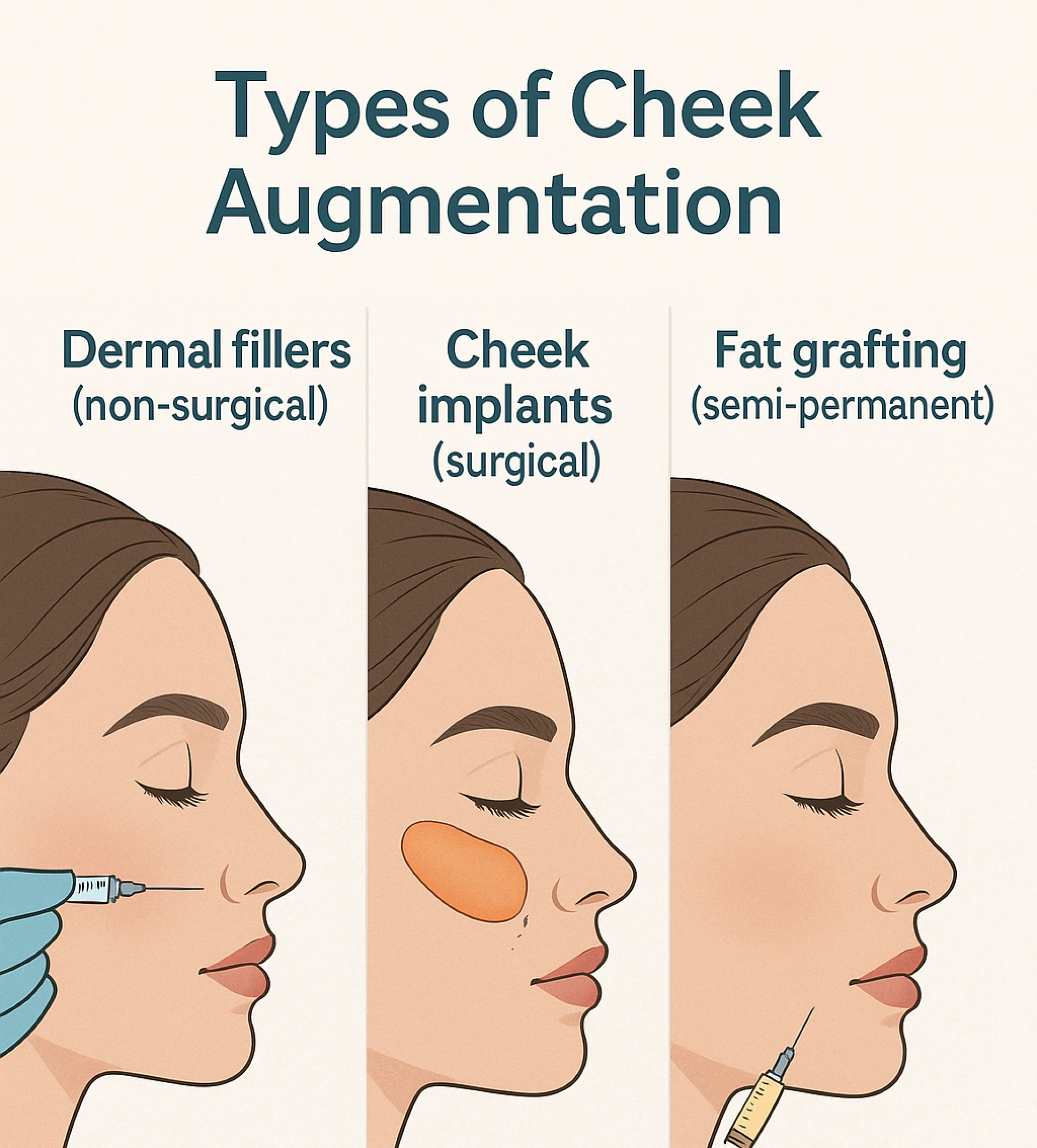
Here are some of the common types of cheek augmentation procedures mentioned below:
- Minimally invasive
- Involves injectable hyaluronic acid (e.g., Juvederm Voluma, Restylane Lyft)
- Immediate results with little downtime
- Lasts 6 to 24 months, depending on the filler type and metabolism
- Surgical procedure under general or local anesthesia
- Involves placing solid silicone implants through incisions in the mouth or lower eyelid
- Permanent solution
- Ideal for structural enhancement and long-term results
- Fat Grafting (Fat Transfer)
- Involves harvesting fat from one part of the body (e.g., abdomen, thighs) and injecting it into the cheeks
- Natural, biocompatible solution
- Results last longer than fillers, though some fat may be reabsorbed over time
What to Expect During Dermal Fillers
Here’s what you can expect during different types dermal filler treatment:
- For Dermal Fillers
- Downtime: Minimal (often return to normal activities the same day)
- Common side effects: Mild swelling, redness, bruising
- Duration of results: 6 months to 2 years
- For Cheek Implants
- Recovery time: 1 to 2 weeks
- Swelling and bruising: Common and may last 10–14 days
- Discomfort: Managed with pain medication
- Diet: Soft foods for a few days (if oral incision used)
- Sutures: Dissolvable if inside the mouth; external stitches removed in 5–7 days
- Follow-up: Regular check-ins with the surgeon are crucial
- For Fat Grafting
- Recovery time: 1 to 2 weeks
- Swelling: Can take several weeks to fully resolve
- Bruising: Both at donor and injection sites
- Final results: Seen in 3–6 months as swelling subsides and fat settles
Expected Results: Before and After
Here are expected results before and after mentioned below:
- Dermal Fillers
- Immediate improvement in volume and cheek contour
- Subtle lifting effect
- Temporary but reversible and adjustable
- Cheek Implants
- Dramatic, long-lasting definition
- Permanent results
- Consistent volume that doesn't fluctuate
- Fat Grafting
- Natural-looking enhancement
- Long-lasting, though results can vary
- Volume may slightly decrease over time due to fat reabsorption
Considerations Before Cheek Augmentation
Here’s what you should consider before cheek augmentation:
- Health Status: Candidates should be in good overall health, with no active infections or untreated medical conditions.
- Aesthetic Goals: Discuss what you want to achieve (subtle lift vs. dramatic contour) with your provider. In addition to that, you should also review before and after photos for realistic expectations.
- Procedure Choice: Choose fillers for a temporary, low-risk option. Moreover, you can also consider implants or fat grafting for long-lasting results.
- Experience of the Dermatologist: Choose a board-certified plastic surgeon or experienced aesthetic injector. You should also look for credentials, reviews, and before-and-after galleries.
Risks and Side Effects
All procedures carry some level of risk. Here are some of the common risk mentioned below:
- Swelling and bruising
- Asymmetry
- Infection (rare with sterile technique)
- Implant shifting (in surgical augmentation)
- Overcorrection or under correction
Maintenance and Longevity
Here are the maintenance and longevity of the dermal fillers, implants and fat grafting mentioned below:
- Fillers require repeat treatments every 6–24 months.
- Implants are permanent but may need revision after several years.
- Fat grafting can last many years, but results may vary based on fat survival and individual metabolism.
Whereas, maintenance of such procedures depends on your goals, budget, and comfort level with surgical vs. non-surgical options.
Is Cheek Augmentation Right for You?
The surgery is right for you if you:
- Have flat or sunken cheeks due to aging or genetics
- Want to enhance facial symmetry and contour
- Desire a more youthful appearance
- Are looking for non-surgical facial rejuvenation or are ready for permanent results via surgery
Get expert consultation from Dr. Parag Telang at Designer Bodyz!
Cheek augmentation can beautifully enhance your facial features, restoring balance, volume, and youthfulness. Whether you opt for a temporary filler, fat transfer, or permanent implant, understanding the recovery process, risks, and expected outcomes is crucial to your success.
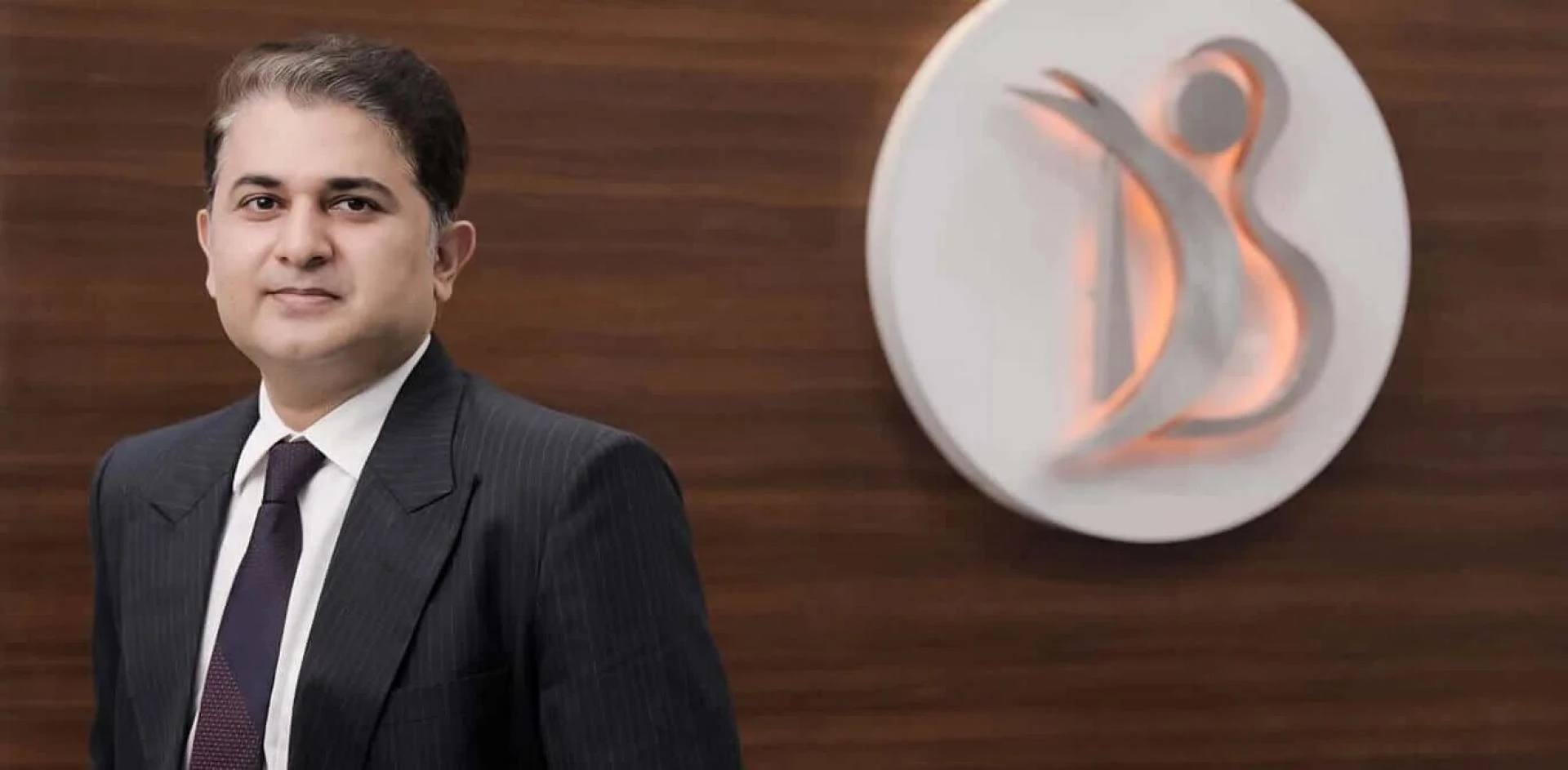
Always consult with a board-certified plastic surgeon or experienced aesthetic professional to ensure the procedure is safe, customised, and delivers the look you envision. For more information, book an appointment with the best plastic surgeon in Mumbai, Dr. Parag Telang, at Designer Bodyz!



























Sign in to leave a comment.