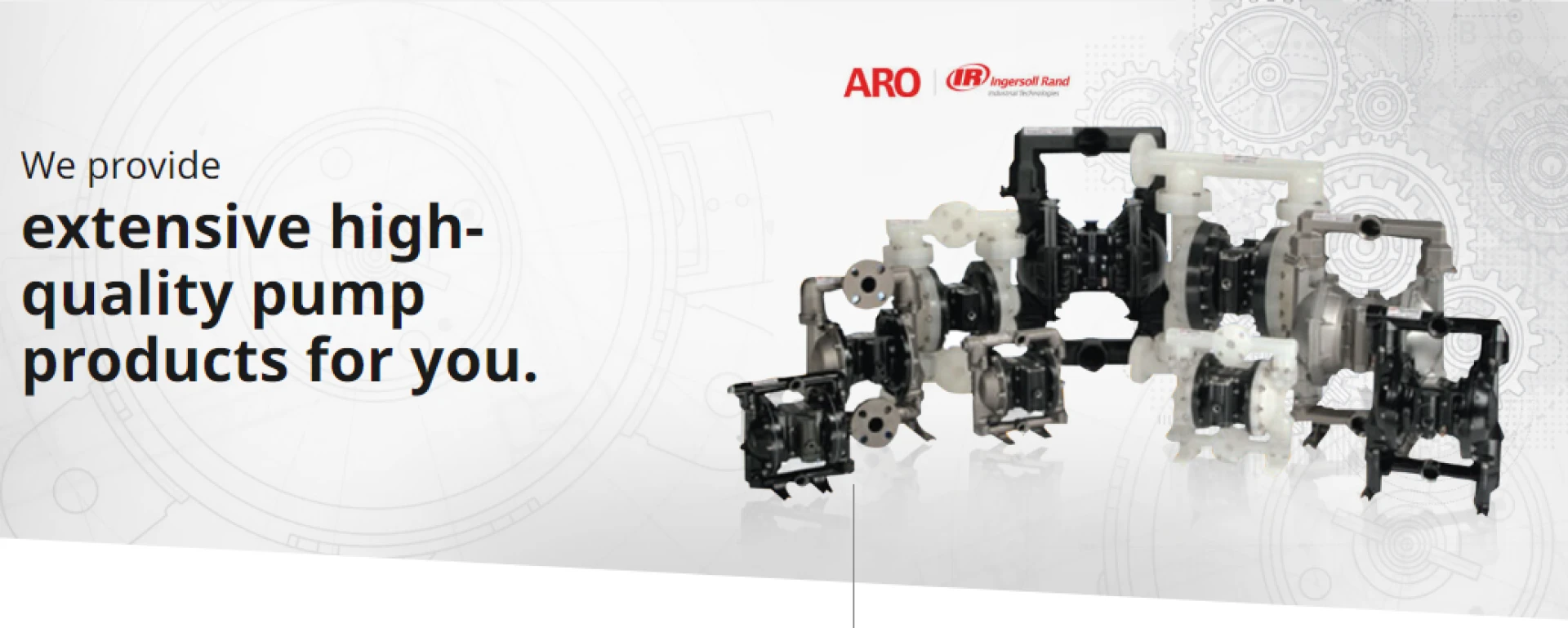

Chemical pumps are essential devices used in various industries to handle and transfer chemicals. These pumps are specifically designed to safely and efficiently move a wide range of chemicals, including corrosive, abrasive, and viscous substances. Their application spans across multiple sectors such as pharmaceuticals, petrochemicals, food and beverage, and water treatment. The choice of a chemical pump must align with the specific chemical properties and operational requirements to ensure optimal performance and safety.
Types of Chemical Pumps
Centrifugal Chemical Pumps
Centrifugal chemical pumps are the most common type used in industrial applications. They operate by converting kinetic energy from a motor to hydrodynamic energy, resulting in the movement of fluids. These pumps are ideal for low viscosity chemicals and are highly efficient for transferring large volumes at a consistent rate. They are favored for their simplicity, reliability, and ability to handle a variety of liquids.
Positive Displacement Chemical Pumps
Positive displacement chemical pumps are another widely used category, particularly for handling high viscosity fluids and precise dosing applications. These pumps work by trapping a fixed amount of fluid and forcing it through the pump’s discharge. They include various subtypes such as diaphragm pumps, gear pumps, and peristaltic pumps, each offering unique advantages depending on the application requirements.
Diaphragm Pumps
Diaphragm pumps are known for their ability to handle corrosive and abrasive chemicals without leakage. They use a flexible diaphragm that moves back and forth to create a vacuum, pulling in the fluid and then pushing it out. These pumps are especially useful in applications requiring precise control and safe handling of hazardous chemicals.
Peristaltic Pumps
Peristaltic pumps are ideal for handling shear-sensitive and viscous fluids. They operate by compressing a flexible tube against a circular pump casing, creating a seal and pushing the fluid forward. The absence of valves and seals makes them suitable for handling slurries and other challenging fluids.
Materials of Construction
The construction material of a chemical pump is critical to its performance and durability. Depending on the chemical properties of the fluids being handled, different materials may be chosen:
- Stainless Steel: Resistant to corrosion and high temperatures, making it ideal for handling aggressive chemicals.
- Plastic (e.g., PTFE, PVC): Lightweight and resistant to a wide range of chemicals, though they may have temperature limitations.
- Cast Iron: Used for less aggressive chemicals but offers robustness and durability.
- Hastelloy and Other Alloys: Provide excellent resistance to highly corrosive and extreme temperature environments.
Key Features to Consider
Chemical Compatibility
Chemical compatibility is the most crucial factor in selecting a chemical pump. Incompatible materials can lead to pump failure, leaks, and hazardous conditions. It\'s essential to consult compatibility charts and consider both the pump body and internal components when making a selection.
Flow Rate and Pressure
The flow rate and pressure requirements of the application will determine the suitable type and size of the pump. Centrifugal pumps are generally preferred for high flow rates at lower pressures, while positive displacement pumps are better for high pressure and precise flow control.
Viscosity of the Fluid
The viscosity of the fluid significantly affects pump selection. Low viscosity fluids are easily handled by centrifugal pumps, whereas high viscosity fluids may require positive displacement pumps to ensure consistent and efficient transfer.
Temperature Range
The operating temperature range of the pump must match the thermal properties of the fluid and the process environment. Materials like stainless steel and high-grade plastics are chosen based on their thermal stability and resistance to temperature-induced degradation.
Maintenance and Durability
Maintenance requirements and durability are vital considerations for long-term operation. Pumps with fewer moving parts, such as peristaltic pumps, tend to have lower maintenance needs. Durability is influenced by the quality of construction materials and the design of the pump.
Applications of Chemical Pumps
Pharmaceutical Industry
In the pharmaceutical industry, chemical pumps are used for transferring, metering, and dosing of various chemicals and solutions. High purity and precision are critical, necessitating pumps that can handle sterile and sensitive fluids without contamination.
Petrochemical Industry
The petrochemical industry relies on chemical pumps for handling aggressive and volatile substances. Pumps must withstand harsh conditions and provide reliable performance to ensure safety and efficiency in processes like refining and chemical synthesis.
Food and Beverage Industry
In the food and beverage industry, chemical pumps are used to handle food-grade chemicals, flavorings, and additives. These pumps must comply with strict hygiene standards and be made from materials that do not contaminate the products.
Water Treatment
Water treatment applications use chemical pumps to dose and transfer chemicals used in purification and disinfection processes. These pumps must be robust and capable of handling various chemicals like chlorine, acids, and alkalis used in treatment plants.
Advancements in Chemical Pump Technology
Smart Pump Technology
Smart pump technology integrates sensors and control systems to monitor and optimize pump performance in real-time. These advancements allow for predictive maintenance, improved efficiency, and enhanced safety by providing continuous feedback on operating conditions.
Energy Efficiency
Improving the energy efficiency of chemical pumps is a significant focus in modern designs. Innovations such as variable speed drives (VSDs) and advanced impeller designs help reduce energy consumption, resulting in lower operational costs and environmental impact.
Corrosion-Resistant Materials
Developments in corrosion-resistant materials have extended the lifespan and reliability of chemical pumps. Advanced alloys and composite materials offer superior resistance to aggressive chemicals and extreme conditions, reducing maintenance frequency and costs.
Modular Pump Designs
Modular pump designs provide flexibility and ease of maintenance by allowing individual components to be replaced or upgraded without requiring a complete system overhaul. This approach enhances the adaptability of pumps to different applications and operational needs.
Conclusion
Choosing the right chemical pump is critical for ensuring the safety, efficiency, and reliability of chemical handling processes. Understanding the specific requirements of your application, including chemical compatibility, flow rate, viscosity, and temperature range, is essential for selecting the appropriate pump. Advances in pump technology continue to improve performance, durability, and energy efficiency, making modern chemical pumps indispensable tools in various industries.











Sign in to leave a comment.