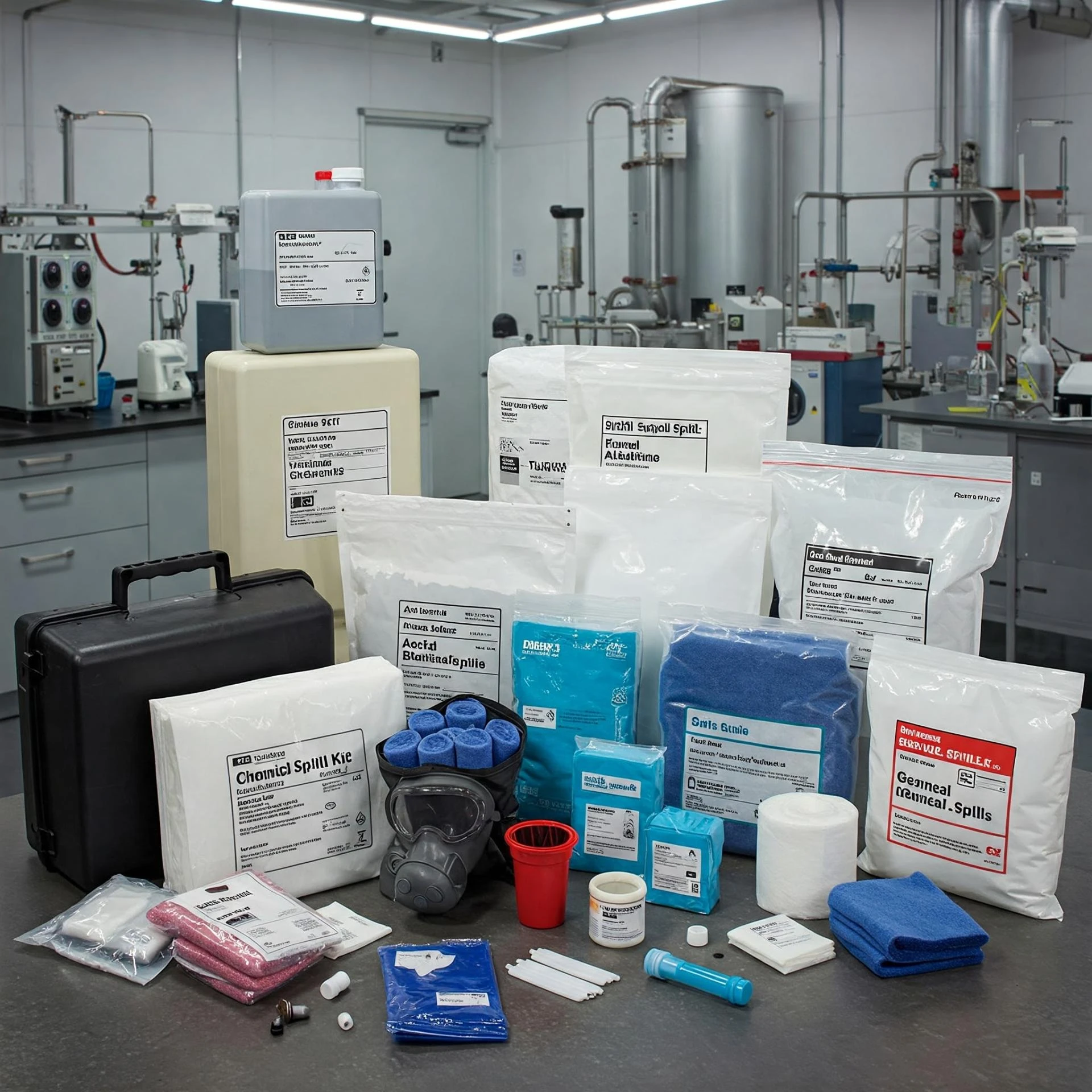

The UAE's rapid industrial growth, particularly in sectors like oil and gas, manufacturing, and chemicals, necessitates stringent safety measures to mitigate potential hazards. Among these, chemical spills pose a significant risk to workers, the environment, and business operations. Effective chemical spill management is crucial, and a cornerstone of this is the availability and proper use of chemical spill kits. This guide outlines the importance of spill kits and provides insights into selecting the right kit for various industries in the UAE.
Why are Chemical Spill Kits Essential?
Chemical spills, even small ones, can have devastating consequences. They can lead to:
- Environmental Damage: Contamination of soil, water sources, and air can have long-lasting ecological impacts.
- Workplace Injuries: Exposure to hazardous chemicals can cause burns, respiratory problems, and other health issues.
- Financial Losses: Spills can disrupt operations, damage equipment, and lead to hefty fines and cleanup costs.
- Reputational Damage: Accidents can negatively impact a company's image and stakeholder trust.
Chemical spill kits provide the necessary tools and materials to contain and clean up spills quickly and effectively, minimizing these risks.
Types of Chemical Spill Kits:
Different chemicals require different absorbents and cleanup materials. Therefore, spill kits are designed for specific types of spills:
- Universal Spill Kits: These kits are designed to handle a wide range of spills, including acids, bases, solvents, and oils. They are a good all-around option for facilities that handle diverse chemicals.
- Oil-Only Spill Kits: These kits contain absorbents that repel water but absorb oils and other hydrocarbons. They are ideal for spills in marine environments or areas where oil contamination is a concern.
- Chemical-Specific Spill Kits: These kits are tailored for specific chemicals, such as mercury, acids, or solvents. They contain specialized absorbents and neutralizers that are effective against the target chemical.
Choosing the Right Spill Kit for Your Industry:
Selecting the appropriate spill kit depends on several factors:
- Types of Chemicals Handled: Identify all the chemicals present in your facility and their potential spill hazards.
- Spill Volume and Frequency: Consider the potential size and likelihood of spills.
- Location of Spill: Determine where spills are most likely to occur and choose kits that are easily accessible in those areas.
- Regulatory Requirements: Familiarize yourself with local environmental regulations and safety guidelines regarding chemical spill management. The UAE has specific regulations regarding environmental protection and workplace safety that should be consulted.
- Industry-Specific Needs: Different industries have unique requirements.
For example:
- Oil and Gas: Requires large-scale spill kits for handling crude oil and other petroleum products, often in remote locations.
- Manufacturing: Needs kits tailored for the specific chemicals used in the production process.
- Laboratories: Requires kits for handling small volumes of highly concentrated and potentially hazardous chemicals.
- Healthcare: Needs kits for dealing with spills of disinfectants, bodily fluids, and other medical-related substances.
Essential Components of a Chemical Spill Kit:
A typical chemical spill kit includes:
- Absorbents: Pads, booms, and loose absorbents to contain and soak up spilled liquids.
- Neutralizers: Chemicals to neutralize acids or bases, making them safer to handle.
- Personal Protective Equipment (PPE): Gloves, goggles, and respirators to protect responders from chemical exposure.
- Cleanup Tools: Brushes, scoops, and containers for collecting and disposing of contaminated materials.
- Labels and Instructions: Clear instructions on how to use the kit and labels for identifying the contents.
Training and Maintenance:
Having the right spill kit is only part of the solution. Regular training for employees on how to use the kits effectively is essential. Training should cover:
- Spill response procedures
- Proper use of PPE
- Safe handling of contaminated materials
- Disposal procedures
Regular inspection and maintenance of spill kits are also crucial. Kits should be checked for expired materials, damaged components, and adequate stock levels.
Conclusion:
Chemical spill kits are a vital investment for any industry in the UAE that handles chemicals. By selecting the right kits, providing proper training, and implementing a comprehensive spill management plan, businesses can protect their workers, the environment, and their bottom line. Consulting with reputable suppliers and environmental safety experts can help ensure that your facility is adequately prepared for chemical spill emergencies.























Sign in to leave a comment.