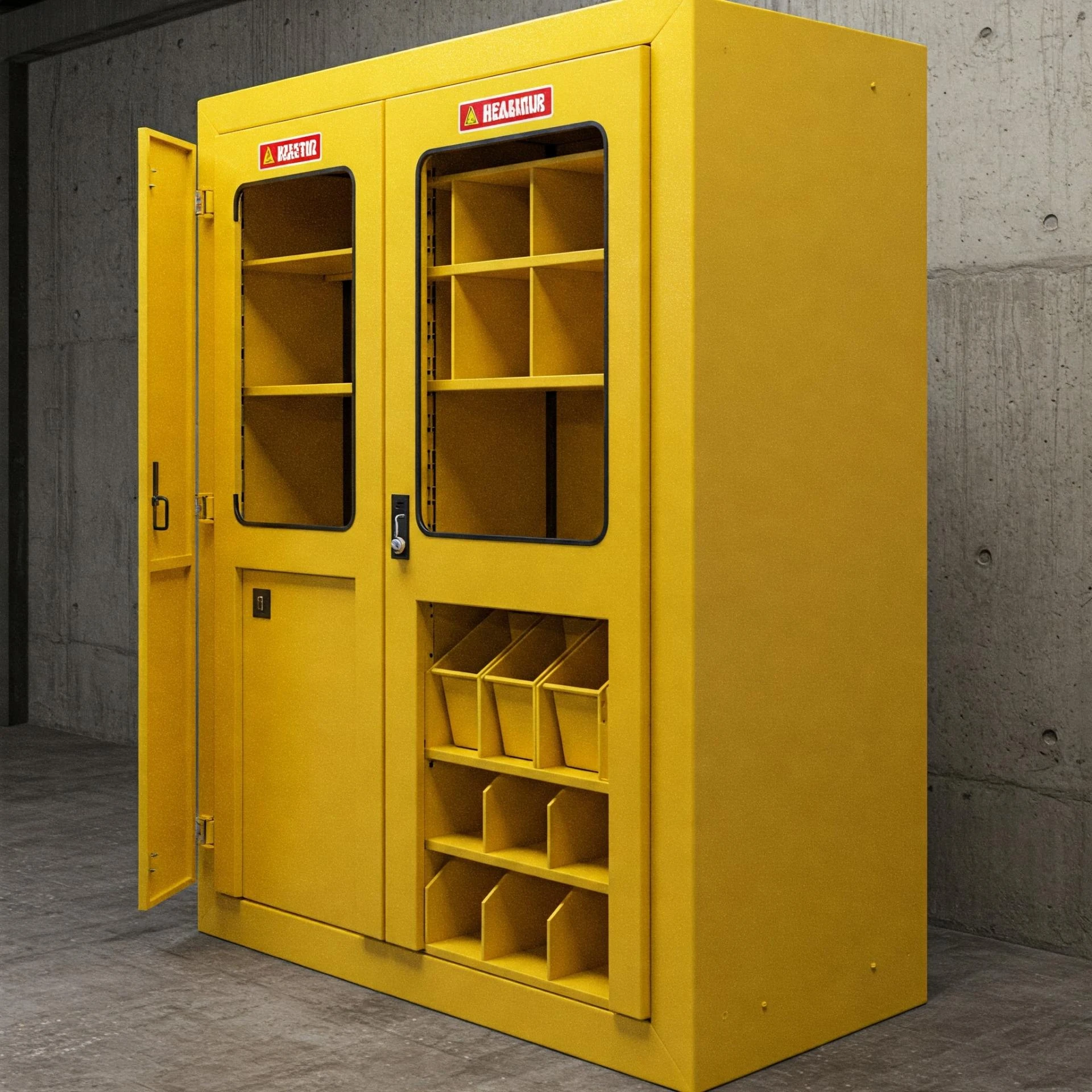

In the dynamic and rapidly evolving industrial landscape of the UAE, maintaining operational efficiency while adhering to stringent safety standards is paramount. Facilities dealing with specialized equipment, particularly those involving hazardous materials, face the critical challenge of optimizing storage solutions. Effective organization of safety cabinets is not just about compliance; it's about creating a streamlined, secure, and productive work environment.
The unique climate and regulatory environment of the UAE necessitate a meticulous approach to storage. High temperatures, humidity, and strict adherence to local and international safety standards demand robust, well-organized storage solutions. This is where strategic organization of safety cabinets plays a pivotal role.
Understanding the Specific Needs of Specialized Equipment
Specialized equipment often involves a range of chemicals, solvents, and other potentially hazardous materials. These materials require specific storage conditions to prevent accidents, spills, and degradation. Understanding the properties of each substance is crucial before designing a storage strategy.
- Flammable Liquids: Many solvents and cleaning agents are highly flammable and require cabinets designed to withstand high temperatures and prevent ignition.
- Corrosive Substances: Acids and bases can corrode standard storage units, necessitating cabinets constructed from chemically resistant materials.
- Toxic Materials: Substances posing health hazards require secure storage to prevent unauthorized access and accidental exposure.
Implementing a Strategic Organization System
To maximize space and efficiency within safety cabinets, a well-planned organizational system is essential.
Categorization and Segregation: Group materials based on their compatibility and hazard class. Flammable liquids should be stored separately from corrosives and oxidizers. Clearly label each category to prevent mixing and ensure quick identification.
Vertical Space Utilization: Shelving systems within cabinets should be adjustable to accommodate containers of various sizes. Utilize the vertical space to its fullest potential by storing taller items on the bottom and smaller items on higher shelves.
Proper Labeling and Inventory Management: Every container should be clearly labeled with its contents, hazard warnings, and date of receipt. Implement an inventory management system to track stock levels and ensure timely reordering. This also helps in identifying expired or degraded materials.
Spill Containment: Incorporate spill containment measures within the cabinets. This may include drip trays, absorbent mats, and bunding to prevent spills from spreading and causing contamination.
Ventilation and Temperature Control: In the UAE's hot climate, maintaining proper ventilation and temperature control within safety cabinets is crucial. Ensure cabinets are equipped with appropriate ventilation systems and consider using climate-controlled storage for temperature-sensitive materials.
Accessibility and Ergonomics: Arrange materials within the cabinets for easy access. Frequently used items should be placed at the front, while less frequently used items can be stored at the back. Consider ergonomic factors when designing the layout to minimize strain and prevent injuries.
Regular Inspections and Maintenance: Conduct regular inspections of safety cabinets to ensure they are in good condition and functioning correctly. Check for leaks, corrosion, and damage to doors and seals. Perform routine maintenance, such as cleaning and replacing worn-out components, to maintain the integrity of the cabinets.
Compliance with UAE Regulations
Adhering to local and international safety regulations is non-negotiable in UAE facilities. Ensure that the chosen safety cabinets meet the requirements of relevant authorities, such as the Civil Defence and the Ministry of Climate Change and Environment. This includes obtaining necessary certifications and approvals.
Leveraging Technology for Enhanced Efficiency
Technology can play a significant role in optimizing the organization of safety cabinets. Implementing barcode scanning and RFID systems can streamline inventory management and track material movement. Digital platforms can be used to store safety data sheets (SDS) and provide quick access to critical information in case of emergencies.
Conclusion
In the demanding environment of UAE facilities dealing with specialized equipment, maximizing space and efficiency within safety cabinets is essential for ensuring safety and productivity. By implementing a strategic organization system, adhering to regulations, and leveraging technology, organizations can create a secure and efficient storage environment. This proactive approach not only minimizes risks but also contributes to a more sustainable and productive operation.



























Sign in to leave a comment.