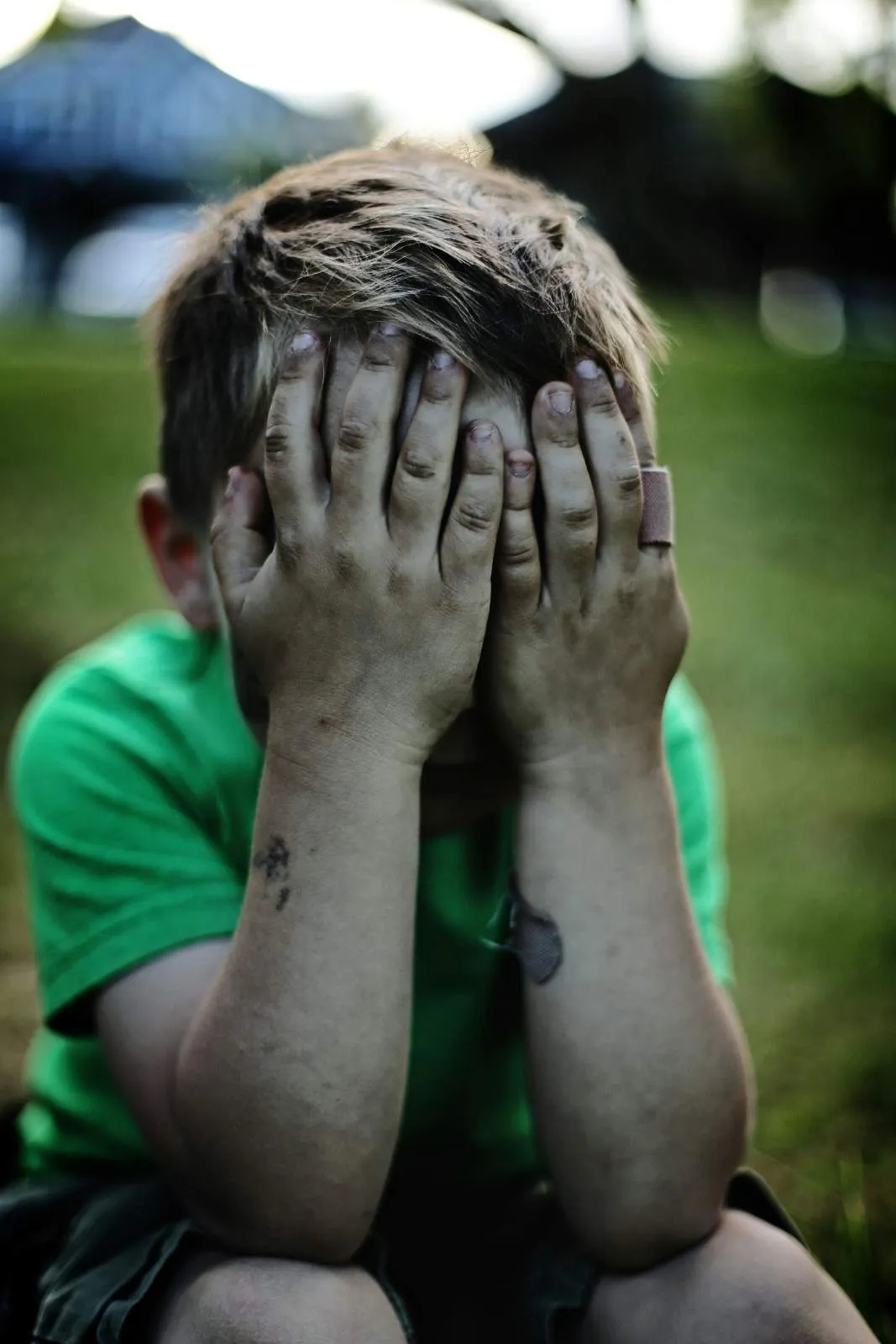

A second grader stares at the whiteboard and cannot remember what the teacher just said, even though she heard every word. A teenager snaps at a friend over something small, then cannot explain why he reacted that way. Neither child is being difficult on purpose. Both are showing what childhood trauma often looks like once it settles into daily life.
Trauma in childhood is common, more common than most parents and teachers realize, and it rarely announces itself the way a broken bone would. This piece walks through how trauma changes a child's brain and behavior, and what actually helps kids recover.
What Counts as Childhood Trauma
Trauma is not defined only by the event itself. It is shaped just as much by how a child experiences and processes that event. A car accident, a divorce, ongoing bullying, abuse, neglect, or witnessing violence at home can all qualify, depending on how deeply a child's sense of safety was shaken.
Adverse childhood experiences are widespread. Research on this topic has found that a majority of adults report at least one difficult childhood experience before turning eighteen, and a meaningful share report several. These numbers matter because they show trauma is a shared classroom reality, not a rare exception.
How Trauma Changes the Developing Brain
Traumatic stress pushes a child's brain into constant fight, flight, or freeze mode. Under that kind of pressure, the areas responsible for memory and attention take a back seat to the areas focused purely on survival.
Two regions bear much of the load. The hippocampus, which handles memory and spatial understanding, and the prefrontal cortex, which manages focus and emotional control, both show measurable changes in children who have lived through repeated trauma. That is not a character flaw. It is biology responding to a threat.
Signs That Show Up in the Classroom
Academic Struggles
Forgetting instructions, losing focus mid task, and struggling to plan multi step assignments are common academic signs. A child who once did well in school may suddenly fall behind for no obvious reason.
Behavioral Shifts
Some kids act out through defiance or aggression. Others go quiet, withdraw from friends, and seem to disappear into the background of the classroom. Both reactions can stem from the same underlying trauma, just expressed in opposite directions.
Physical and Emotional Signals
Headaches and stomachaches with no clear medical cause, jumpiness around loud noises, and sudden clinginess toward a parent or teacher often point back to unresolved trauma rather than a physical illness.
Key Takeaways • Childhood trauma is shaped by how a child experiences an event, not only by the event itself. • A majority of adults report at least one adverse childhood experience, making trauma a common classroom reality. • Trauma affects the hippocampus and prefrontal cortex, disrupting memory, focus, and emotional regulation. • Symptoms can look like defiance, withdrawal, physical complaints, or academic decline, often mistaken for other issues. • Early, trauma informed support gives kids the best chance at recovering fully. |
What Actually Helps a Child Recover
Patience from the adults around a child matters as much as any single technique. Teachers who recognize trauma related behavior as a stress response, rather than defiance, can respond with structure and calm instead of punishment. That shift alone reduces conflict in the classroom significantly.
Professional support adds a layer that home and school alone cannot always provide. Therapy for Children and Adolescents in Charlotte, NC gives kids a space built specifically for their age and developmental stage, where play, art, and conversation all become tools for processing what happened to them.
For trauma tied to a specific event or ongoing situation, trauma therapy charlotte nc works through the memory itself, helping a child separate what happened in the past from the sense of danger their body still carries into the present.
Parents looking for a starting point can also reach out for general counseling in charlotte to get matched with a therapist whose approach fits their child's age, personality, and specific history.
Frequently Asked Questions
At what age can childhood trauma start affecting learning?
Trauma can affect learning at any age, though younger children often show it through behavior changes while older kids show it more through academic decline and social withdrawal.
Can a child recover fully from trauma without therapy?
Some children recover with strong support from family and school alone, but ongoing or severe trauma usually responds much faster and more fully with professional guidance.
How is trauma different from ADHD, since the symptoms look similar?
Both can involve poor focus and impulsivity, but trauma symptoms are tied to a stress response and often improve with safety and support, while ADHD relates to a different underlying pattern in brain function.
What should a parent do first if they suspect their child experienced trauma?
Start with a calm, low pressure conversation, then reach out to a therapist who specializes in children so the child has a professional space to process what happened.
Do teachers need special training to support traumatized students?
Formal training helps, but even basic awareness of trauma responses allows a teacher to respond with patience instead of assuming a child is simply misbehaving.
Can trauma from early childhood affect a teenager years later?
Yes. Unprocessed trauma from early childhood can resurface during adolescence, often triggered by new stress, relationships, or developmental changes.
























Sign in to leave a comment.