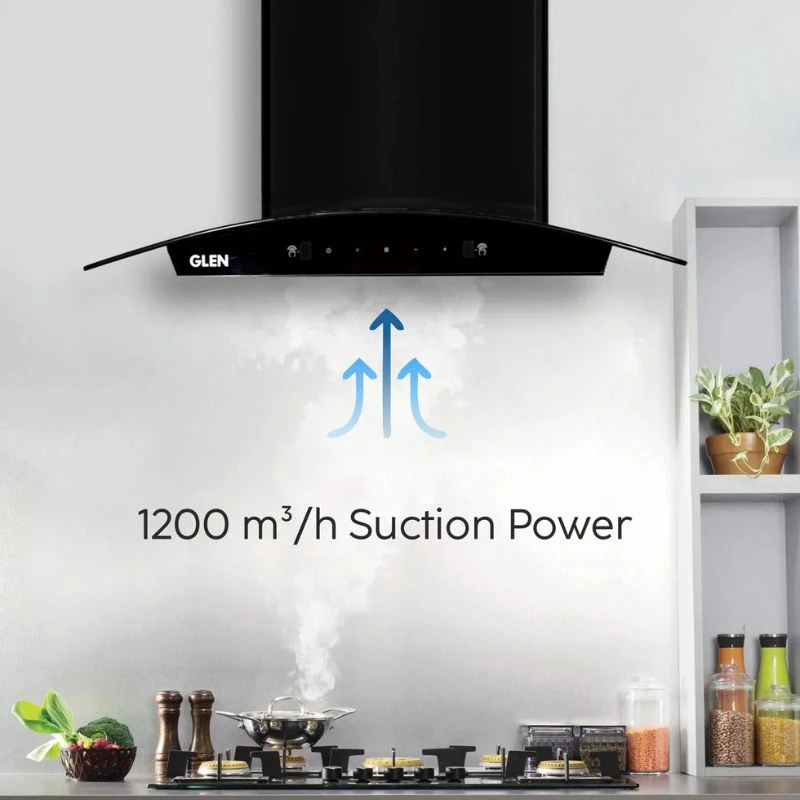

Discover the best chimneys for kitchens to improve air quality and cooking comfort. Explore our collection for stylish, high-performance kitchen chimneys.
When it comes to creating a healthy cooking environment, having the right chimney for kitchen is essential. A kitchen chimney serves as an effective exhaust system that removes smoke, grease, and odors from the kitchen, keeping your cooking space clean and fresh. In this comprehensive guide, we will cover everything you need to know about choosing the best chimney for your kitchen, including factors to consider, maintenance tips, and how to make the right choice based on your kitchen's specific needs.
Why Do You Need a Chimney for Your Kitchen?
A chimney for your kitchen is more than just a luxury; it's a necessity. Here's why:
- Improves Air Quality: A kitchen chimney effectively removes smoke, odors, and harmful fumes produced while cooking, ensuring that the air in your kitchen remains clean.
- Prevents Grease Build-Up: Without a chimney, grease from cooking accumulates on kitchen surfaces, making cleaning a chore. A chimney helps reduce this problem by capturing grease particles.
- Adds Style to Your Kitchen: Modern chimneys come in various designs and finishes, which can enhance the aesthetic appeal of your kitchen. They blend seamlessly with different kitchen styles, from contemporary to traditional.
Types of Kitchen Chimneys
When choosing the right chimney for your kitchen, understanding the different types can help you make an informed decision. Here are some common types:
1. Wall-Mounted Chimneys
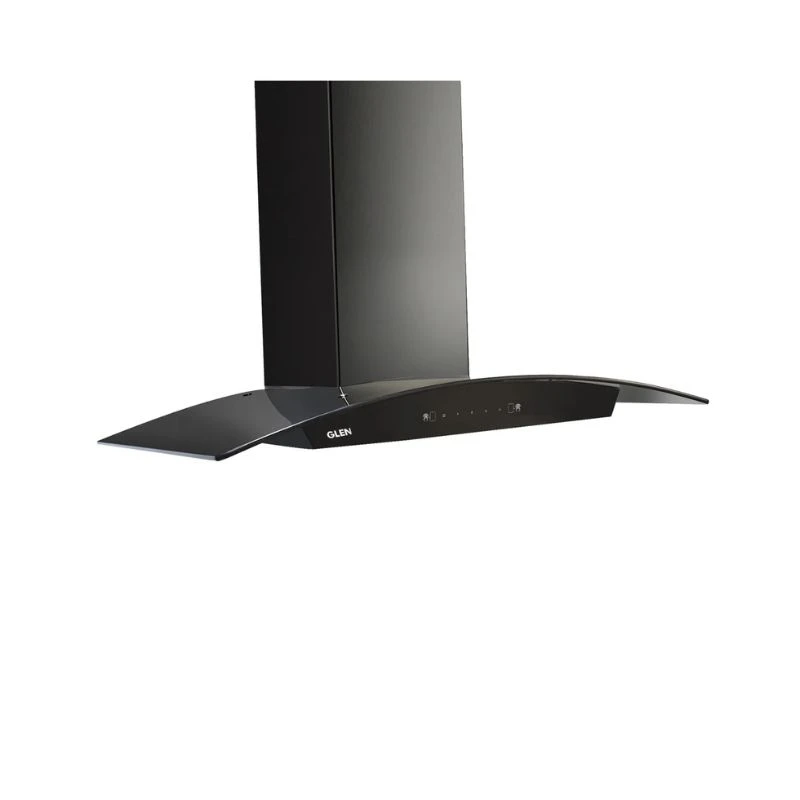
Wall-mounted chimneys are one of the most popular choices. These chimneys are installed on the wall above your cooking range, offering excellent suction power and a sleek look. They are perfect for kitchens with a traditional cooking setup.
2. Island Chimneys
Ideal for kitchens with an island cooking setup, island chimneys are mounted directly on the ceiling. They provide powerful suction and an elegant, modern touch to your kitchen's design.
3. Built-In Chimneys
For a more integrated look, built-in chimneys are installed directly into the kitchen cabinetry. These chimneys are hidden and offer a minimalist appearance without compromising on performance.
4. Corner Chimneys
If you have limited space or prefer a corner installation, corner chimneys are designed to fit snugly into corners, providing good coverage while maximizing the use of available space.
5. Straight-Line Chimneys
Straight-line chimneys are compact and designed for modern kitchens. They are placed under a cabinet or along a wall, offering a streamlined look.
How to Choose the Best Chimney for Your Kitchen
Selecting the right chimney for your kitchen depends on several factors. Here are key considerations to guide your choice:
- Suction Power: The suction power determines the chimney's ability to extract smoke and grease. The more powerful the suction, the better it will perform. Look for a chimney with a high suction power (measured in cubic meters per hour or m3/hr) to ensure efficient ventilation.
- Size of the Kitchen: The size of the chimney should match the size of your kitchen. For a larger kitchen, opt for a chimney with a higher suction power.
- Filter Type: Chimneys come with different types of filters, such as baffle, mesh, and charcoal filters. Baffle filters are ideal for heavy cooking, while mesh filters are suitable for moderate usage.
- Design and Style: The design should complement your kitchen's décor. Choose a chimney that matches your overall theme, whether it’s contemporary, modern, or traditional.
- Noise Level: While powerful chimneys are necessary, they should also operate quietly. Look for chimneys that offer noise reduction technology to avoid a disruptive cooking experience.
How to Maintain Your Kitchen Chimney
Proper maintenance of your kitchen chimney ensures its longevity and optimal performance. Here are a few simple maintenance tips:
- Clean the Filters Regularly: Depending on the type of filter, clean it every 2-3 weeks to prevent grease buildup.
- Check the Ducts: Clean the ducts every 6 months to ensure smooth airflow. Blockages can reduce suction power.
- Wipe the Surface: Regularly clean the exterior of the chimney to maintain its shine and remove any grease or dust.
Explore Our Collection of Chimneys for Kitchen to find the perfect chimney for your kitchen.
Frequently Asked Questions (FAQ)
What is the ideal suction power for a kitchen chimney?
The ideal suction power for a kitchen chimney depends on the size of your kitchen and the type of cooking you do. For a standard kitchen, a suction power of 1000 to 1200 m3/hr is usually sufficient.
How often should I clean my chimney?
It’s recommended to clean the chimney filters every 2-3 weeks for regular use. For kitchens with heavy cooking, cleaning may be required more often.
Which type of chimney is best for a small kitchen?
For small kitchens, wall-mounted or straight-line chimneys are usually the best options. These chimneys are compact and offer effective suction without taking up too much space.
Do chimneys require professional installation?
Yes, most chimneys require professional installation for optimal performance. Improper installation can lead to poor suction and potential safety hazards.
Can I install a chimney myself?
While it is possible to install a chimney yourself, it is recommended to hire a professional to ensure it is installed correctly and safely.
How do I maintain the suction power of my chimney?
To maintain the suction power, clean the filters regularly, check the ducts for blockages, and ensure that the chimney is not obstructed by any objects.





























Sign in to leave a comment.