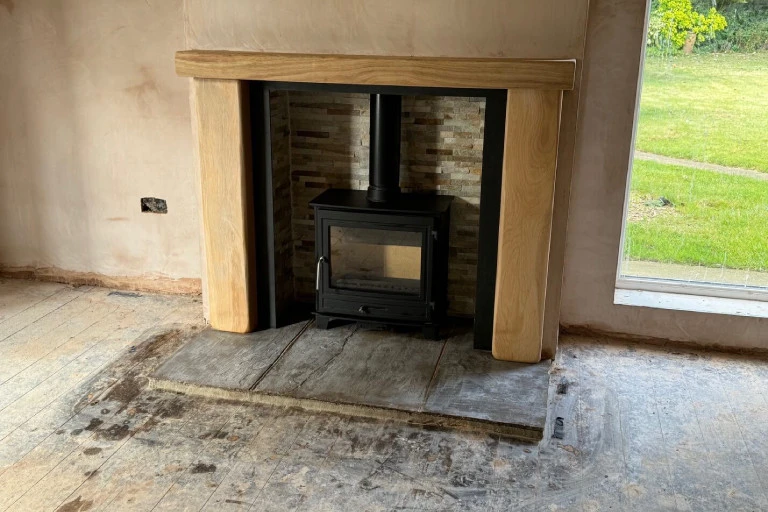
Chimney linings play a crucial role in the safe and efficient operation of wood burning stoves. While often hidden from view, a properly installed chimney liner helps protect your home, improve stove performance, and ensure compliance with UK building regulations. For homeowners considering a new stove or assessing an existing setup, understanding chimney linings is an important step in making informed decisions.
What Is a Chimney Liner?
A chimney liner is a protective layer installed inside a chimney flue. Its main function is to safely channel smoke, gases, and combustion by-products out of the home. Without a suitable liner, heat and corrosive gases can damage the chimney structure and increase safety risks.
Older properties, particularly those built before modern building standards, may have chimneys that were not designed for today’s wood burning stoves. In many cases, these chimneys require relining to meet current safety and performance expectations.
Why Chimney Linings Are Important
One of the primary reasons chimney linings are recommended is safety. Wood burning stoves produce high temperatures and acidic by-products. A liner helps contain these elements and reduces the risk of heat transfer to surrounding brickwork or timber structures.
Chimney linings also improve efficiency. A correctly sized liner helps create a stable draught, allowing the stove to burn fuel more effectively. This can lead to better heat output and more consistent performance, particularly during colder months.
In addition, chimney liners help protect the chimney itself. Over time, unlined chimneys can deteriorate due to soot buildup, moisture, and acidic deposits. A liner acts as a barrier, extending the life of the chimney and reducing long-term maintenance issues.
Types of Chimney Liners
There are several types of chimney liners commonly used in the UK, each suited to different installations and property types.
Flexible stainless steel liners are widely used for wood burning stoves. They are typically installed in existing chimneys and can be adapted to suit various flue shapes. These liners are designed to withstand high temperatures and are often chosen for retrofitting older properties.
Rigid liners, such as pumice or ceramic systems, are more commonly used in new builds or major renovations. They offer durability and excellent insulation but usually require more extensive installation work.
The choice of liner depends on factors such as the type of stove, chimney condition, property layout, and intended usage.
Do You Need a Chimney Liner?
In many cases, yes. UK Building Regulations generally require a chimney liner when installing a new wood burning stove unless the existing flue is proven to be suitable. A professional inspection is usually needed to assess the chimney’s condition, size, and compatibility with the stove.
Signs that a chimney may need relining include poor draught, smoke entering the room, excessive soot buildup, or visible damage to the chimney structure. Even if a stove has been operating without issues, relining may still be recommended to meet modern safety standards.
Building Regulations and Compliance
Chimney linings for wood burning stoves must comply with Part J of the UK Building Regulations. These regulations cover flue sizing, materials, installation methods, and ventilation requirements.
Installations are typically carried out by HETAS-certified professionals or signed off by local building control. Compliance not only improves safety but also provides peace of mind for homeowners, particularly when selling or insuring a property.
Installation and Maintenance Considerations
Proper installation is essential for a chimney liner to perform as intended. Homeowners often choose to work with professionals who specialise in chimney lining services to ensure correct sizing, safe fitting, and compliance with current building regulations.
Ongoing maintenance is also important. Regular chimney sweeping helps prevent soot and creosote buildup, which can affect liner performance. Periodic inspections can identify wear or damage early, reducing the risk of future problems.
Final Thoughts
Chimney linings are a key component of a safe and efficient wood burning stove system. While they may not be visible, their impact on performance, compliance, and long-term safety is significant. Understanding the purpose and benefits of chimney liners helps homeowners make informed decisions and ensures that wood burning stoves operate as intended.
For those planning a new installation or reviewing an existing setup, professional advice and proper assessment are essential steps in maintaining a safe home heating environment.
If you are unsure whether your existing chimney requires relining or would like guidance before installing a wood burning stove, it may be helpful to contact a qualified installer for professional advice based on your property and heating needs.
























Sign in to leave a comment.