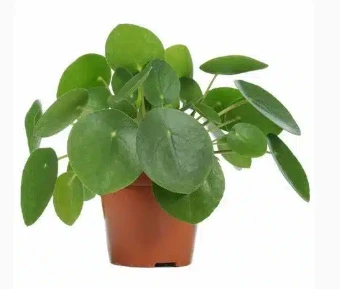

Indoor plants are becoming very popular for home decoration and improving air quality. Among many indoor plants, the Chinese Money Plant is one of the most loved houseplants around the world. Known for its round coin-shaped leaves and easy maintenance, this plant is believed to bring wealth, prosperity, and positive energy into the home.
Because of its beautiful appearance and symbolic meaning, the Chinese Money Plant has become a favorite plant for homes, offices, and interior spaces.
What is a Chinese Money Plant?
The Chinese Money Plant (Pilea Peperomioides) is a unique indoor plant originally from Southern China. It is famous for its bright green, circular leaves that look like coins. Due to this coin-like shape, people believe that this plant attracts financial luck and abundance.
This plant is also known by several names such as:
- Pancake Plant
- UFO Plant
- Coin Plant
- Missionary Plant
The Chinese Money Plant is widely used in modern home décor because it looks minimal, elegant, and refreshing.
Benefits of Chinese Money Plant
1. Symbol of Good Luck and Wealth
In Feng Shui, the Chinese Money Plant is believed to attract wealth and prosperity. Many people keep it in their homes or offices to invite financial growth and positive energy.
2. Improves Indoor Air Quality
Like many indoor plants, the Chinese Money Plant helps improve indoor air quality by releasing oxygen and absorbing pollutants.
3. Perfect Decorative Plant
Its round leaves and stylish look make it an excellent decorative plant for living rooms, bedrooms, offices, and study areas.
4. Easy to Maintain
One of the biggest advantages of the Chinese Money Plant is that it is very easy to grow and maintain, even for beginners.
5. Boosts Mood and Productivity
Green plants create a calm environment that can reduce stress and increase focus and productivity.
How to Care for a Chinese Money Plant
Taking care of a Chinese Money Plant is simple if you follow a few basic steps.
Light Requirements
Chinese Money Plants grow best in bright indirect sunlight. Avoid placing them in direct harsh sunlight because it can damage the leaves.
Watering
Water the plant when the top soil becomes dry. Overwatering should be avoided because it may cause root rot.
Soil Type
Use well-draining soil so that water does not accumulate in the pot.
Temperature
The ideal temperature for Chinese Money Plants is between 15°C to 25°C. They prefer a warm indoor environment.
Fertilizer
A light fertilizer once a month during the growing season can help the plant grow healthy and strong.
Best Places to Keep Chinese Money Plant
According to plant experts and Feng Shui practices, you can place the Chinese Money Plant in:
- Living room
- Office desk
- Study table
- Balcony
- Near windows with indirect light
Keeping this plant in the wealth corner of the house is believed to bring financial success and positive energy.
Why Chinese Money Plant is Perfect for Indoor Gardening
Indoor gardening is growing rapidly as people want to create greener and healthier living spaces. The Chinese Money Plant is perfect for indoor gardening because it requires very little care while providing beauty and symbolic meaning.
Its compact size makes it ideal for apartments, small homes, and office spaces. Even beginners can grow this plant successfully without much gardening experience.
Growing Popularity of Chinese Money Plants
In recent years, the Chinese Money Plant has gained huge popularity on social media and gardening blogs. Many plant lovers share pictures of their Chinese Money Plants because of their attractive coin-like leaves and modern aesthetic.
It has become one of the most trending indoor plants worldwide.
Conclusion
The Chinese Money Plant is more than just a decorative houseplant. It represents prosperity, positivity, and growth. With its unique coin-shaped leaves and easy maintenance, it is an excellent choice for both beginners and experienced plant lovers.
Whether you want to improve your home décor, create a relaxing environment, or bring good luck into your space, the Chinese Money Plant is a perfect indoor plant to add to your collection.
























Sign in to leave a comment.