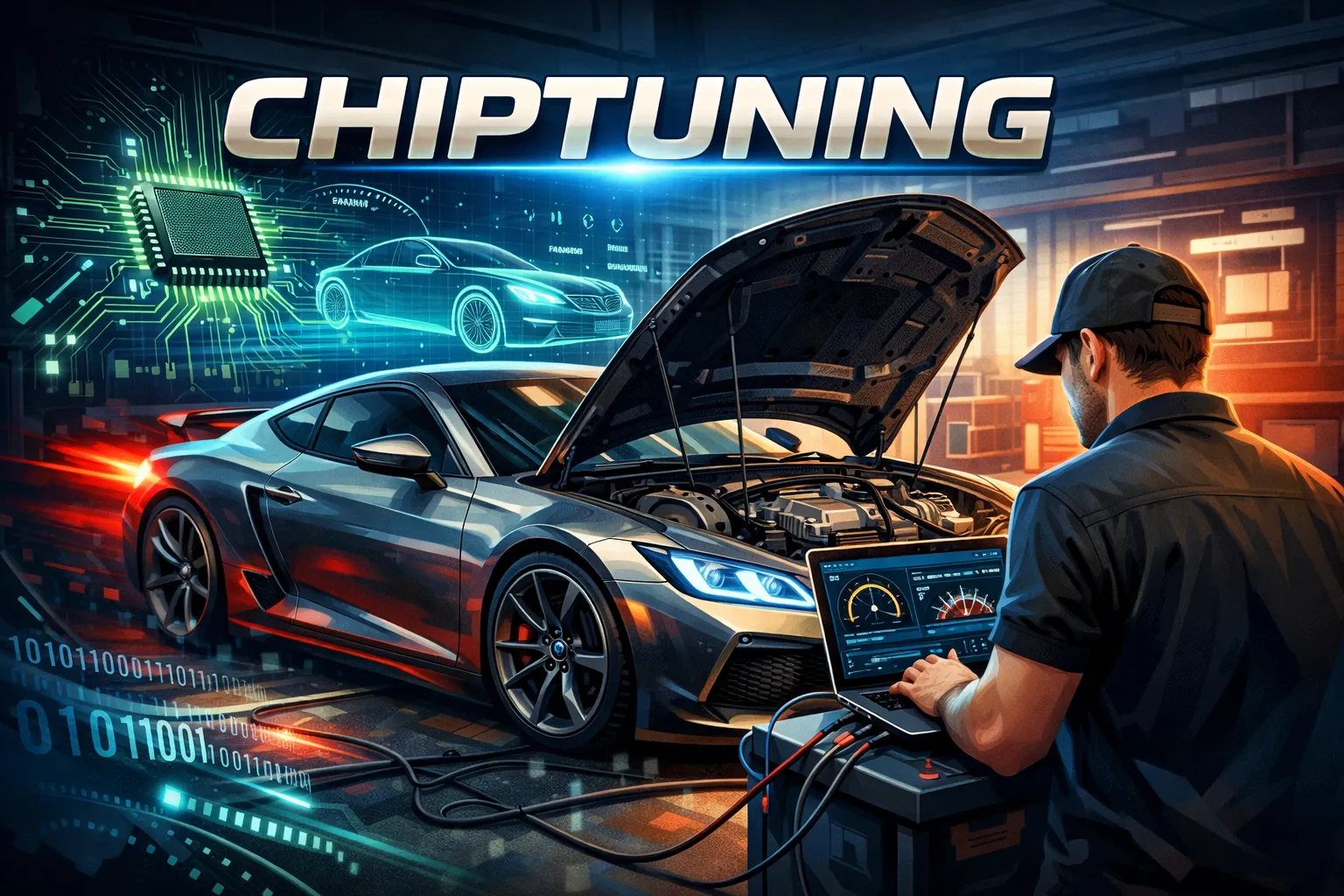

Vehicle technology has changed significantly over the years. Modern cars rely heavily on electronic systems to control engine performance, fuel delivery, airflow, and overall driving behaviour. As automotive engineering evolves, many drivers are looking for ways to improve performance without replacing major engine components. One popular solution is Chiptuning.
Drivers who want quicker acceleration, smoother power delivery, and a more responsive driving experience often consider vehicle software optimisation. Chiptuning has become increasingly popular because it focuses on improving how existing engine systems perform.
For many vehicle owners, it offers an opportunity to get more from their cars while maintaining everyday practicality.
What Is Chiptuning?
Chiptuning is the process of adjusting software settings within a vehicle’s engine control unit (ECU). The ECU works like the vehicle’s central computer system. It controls important engine functions such as:
- Fuel injection timing
- Air-to-fuel ratio
- Turbo pressure
- Ignition timing
- Power delivery management
Vehicle manufacturers often configure ECU settings conservatively to meet global regulations, fuel quality differences, and long-term durability requirements.
Chiptuning modifies selected parameters to optimise performance based on the vehicle’s capabilities.
The goal is not simply increasing horsepower. Professional tuning focuses on achieving a better balance between power, efficiency, and driving response.
Why Drivers Choose Chiptuning
Modern drivers want vehicles that feel more responsive during everyday driving.
Many choose Chiptuning because it can improve overall driving behaviour without requiring major hardware modifications.
Some common benefits include:
Improved Acceleration
A professionally optimised engine may respond faster when the driver presses the accelerator.
This creates smoother performance during highway merging and overtaking.
Better Throttle Response
Drivers often notice improved responsiveness after software adjustments.
The vehicle may react more naturally during acceleration.
Stronger Torque Delivery
Torque influences pulling power.
Optimised engine calibration can improve how power feels across different driving conditions.
Enhanced Driving Experience
Many vehicle owners simply enjoy driving cars that feel sharper and more refined.
Small improvements often create a noticeable difference.
Real-Life Example
Consider a driver named Daniel who owns a turbocharged family vehicle.
Daniel appreciated reliability but wanted stronger road performance during highway travel.
After professional Chiptuning, Daniel noticed improvements during daily driving.
The vehicle responded more quickly.
Acceleration felt smoother.
Overtaking slower traffic required less effort.
Importantly, the vehicle remained practical for family use while delivering a more enjoyable driving experience.
Stories like this explain why software optimisation continues growing across automotive markets.
How Chiptuning Works
Modern vehicles generate large amounts of operational data.
The ECU continuously monitors engine behaviour and makes adjustments.
Professional tuning specialists analyse existing software settings and carefully optimise selected parameters.
Common tuning adjustments may involve:
- Boost pressure refinement
- Fuel mapping optimisation
- Ignition timing calibration
- Torque management improvements
Every adjustment must work together.
Proper tuning focuses on balance rather than pushing systems beyond safe operating limits.
Filestechnic supports performance optimisation approaches designed to improve driving experience while helping maintain vehicle reliability.
Is Chiptuning Safe?
Safety depends heavily on tuning quality.
Professional calibration focuses on protecting engine systems while improving performance characteristics.
Poorly managed software changes can create unwanted problems such as:
- Increased engine stress
- Reduced efficiency
- Reliability concerns
- Mechanical strain
Responsible optimisation avoids aggressive settings that could negatively affect long-term vehicle performance.
Vehicle condition also plays an important role.
Well-maintained vehicles often respond more effectively to software improvements.
Vehicles Commonly Suitable for Chiptuning
Many modern vehicles support software optimisation.
Examples may include:
- Turbo petrol vehicles
- Turbo diesel vehicles
- Performance-oriented cars
- Daily commuter vehicles
- Commercial vehicles
Turbocharged engines often show stronger improvement potential because software optimisation can influence boost management strategies.
Vehicle compatibility varies depending on manufacturer design and engine configuration.
Maintenance After Chiptuning
Vehicle maintenance becomes increasingly important after performance optimisation.
Drivers should continue following recommended service schedules.
Areas worth monitoring include:
Oil Quality
Clean engine oil supports long-term system protection.
Fuel Standards
Consistent fuel quality helps maintain performance stability.
Engine Monitoring
Regular inspections help identify concerns before they become larger problems.
Cooling System Health
Temperature control remains important for engine reliability.
Responsible ownership supports better long-term outcomes.
Growing Interest in Vehicle Software Optimisation
Automotive technology continues becoming more software-driven.
Drivers increasingly explore ways to personalise vehicle behaviour without major mechanical upgrades.
Software calibration technology continues improving rapidly.
Performance optimisation has expanded beyond dedicated automotive enthusiasts.
Many everyday drivers now value:
- Better drivability
- Improved responsiveness
- Personalised vehicle behaviour
- Greater road confidence
As automotive systems evolve further, software-based vehicle optimisation will likely continue expanding.
Final Thoughts
Chiptuning has become a popular solution for drivers seeking stronger vehicle performance and a more refined driving experience.
When performed professionally, software optimisation can improve responsiveness, acceleration, and overall driving feel without major mechanical changes.
The key lies in balance.
Filestechnic focuses on optimisation approaches designed to improve vehicle capability while supporting long-term reliability and everyday usability.





























Sign in to leave a comment.