

Chiropractic care helps improve spinal function, reduce pain, and support better body movement. It focuses on correcting spinal misalignment that may cause discomfort in the back, neck, shoulders, and joints. Modern treatment methods often depend on specialized chiropractic tools for better precision and patient comfort. These tools help professionals perform adjustments safely and effectively. They also support faster recovery and better long term results for people dealing with posture and mobility issues.
Understanding the Role of Chiropractic Tools
Chiropractic tools are designed to improve the treatment of the spine, joints, and muscles. They help practitioners apply accurate pressure to specific problem areas without causing unnecessary discomfort. These tools are useful for both pain relief and long term spinal maintenance. They also improve treatment consistency during every session. Their use supports better movement, posture correction, and overall physical wellness.
Why Spinal Alignment Matters
The spine supports posture, balance, and communication between the brain and body. When the spine becomes misaligned, it can create pain, stiffness, and nerve pressure. Poor alignment may also affect sleep, movement, and daily comfort. Chiropractic tools help restore proper positioning in a controlled way. This improves both physical function and quality of life.
How Tools Improve Treatment Accuracy
Manual treatment is effective, but chiropractic tools increase precision and control. They allow practitioners to target exact areas without using excessive force. This is especially helpful for elderly patients or those with injury sensitivity. Better accuracy often leads to faster relief and fewer treatment sessions. It also improves patient confidence during care.
Common Chiropractic Tools Used in Practice
Different chiropractic tools are used depending on the patient’s condition and treatment goals. Some tools focus on spinal adjustments, while others support diagnosis or posture correction. Each one plays an important role in creating a complete care plan. These tools improve comfort and treatment effectiveness. They also help practitioners deliver more personalized care.
Adjustment Instruments
Adjustment instruments are handheld devices used for gentle spinal corrections. They apply quick and controlled pressure to specific joints or vertebrae. This method is helpful for patients who prefer less force than manual adjustments. It is commonly used for neck pain, back stiffness, and joint discomfort. These tools improve accuracy and reduce strain during treatment.
Chiropractic Tables
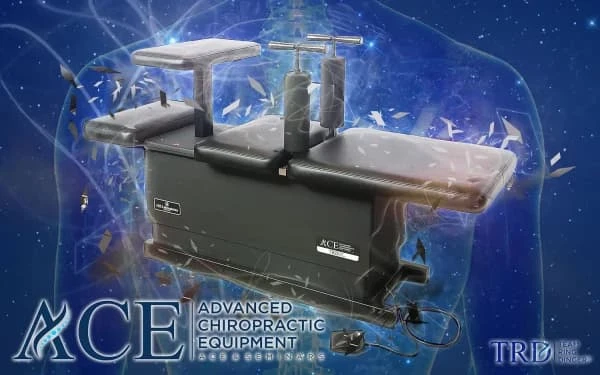
Chiropractic tables are specially designed to support patient positioning during treatment. Many include adjustable sections for easier access to the spine and joints. Some tables use drop features that assist with smooth spinal adjustments. This reduces the amount of force needed during care. They improve both patient comfort and practitioner efficiency.
Posture Analysis Devices
Posture analysis devices help identify body imbalance and spinal misalignment. They check for uneven shoulders, tilted hips, and abnormal spinal curves. This helps practitioners understand the real cause of pain. Better diagnosis leads to more effective treatment planning. These tools also help track improvement over time.
Supportive Tools for Pain Relief
Pain relief often requires more than just spinal adjustment alone. Supportive chiropractic tools help relax muscles and reduce inflammation around problem areas. They improve comfort before and after treatment sessions. These tools also help the body respond better to chiropractic care. They are important for complete recovery and long term relief.
Massage Therapy Devices
Massage therapy devices help release muscle tension and improve blood circulation. Tight muscles can pull the spine out of alignment and increase pain. These tools relax the neck, shoulders, and back before adjustments. This makes treatment smoother and more effective. They also help patients feel immediate relief and better flexibility.
Cold and Heat Therapy Tools
Cold and heat therapy tools are used to manage pain and swelling. Cold therapy helps reduce inflammation after adjustments or injury treatment. Heat therapy relaxes stiff muscles and improves blood flow. Both methods support faster healing and greater comfort. They are simple but valuable parts of chiropractic recovery.
Rehabilitation and Strength Support
Recovery does not end after spinal adjustment, as strength and movement must also improve. Rehabilitation tools help patients build stronger muscles and better posture habits. These tools support the spine and reduce the risk of future pain. They also encourage active participation in recovery. Long term results depend on both treatment and daily support.
Resistance Bands and Exercise Tools
Resistance bands and exercise tools are used for stretching and muscle strengthening. They help improve balance, flexibility, and core support for the spine. Strong muscles reduce pressure on the joints and prevent repeated injury. Patients often use them during guided home exercises. This helps maintain chiropractic results between visits.
Lumbar and Cervical Support Devices
Lumbar and cervical support devices help protect the lower back and neck. They are useful for people who sit for long hours or have posture related strain. Lumbar cushions improve sitting posture and reduce spinal pressure. Neck supports help maintain healthy alignment during sleep or rest. These tools support healing throughout daily life.
Benefits of Using Chiropractic Tools
Chiropractic tools improve treatment quality by making care safer and more precise. They help reduce pain while supporting posture correction and better movement. Patients often feel more comfortable when treatment is gentle and controlled. These tools also allow better long term management of spinal health. Their use creates stronger results and a better overall wellness experience.
Better Comfort for Patients
Many patients feel nervous about spinal adjustments, especially during their first visit. Chiropractic tools create a gentler and more comfortable treatment process. Less force means less fear and better relaxation during care. This improves the overall patient experience and trust in treatment. Comfortable sessions also encourage regular follow up care.
Faster and More Effective Recovery
Precise treatment helps reduce pain and restore movement more quickly. Chiropractic tools target the exact source of discomfort instead of only managing symptoms. This improves healing and reduces the chance of recurring pain. Patients often notice better posture and flexibility with regular care. Faster recovery supports a healthier and more active lifestyle.
Conclusion
Choosing the right chiropractic tools is essential for improving spinal alignment and reducing long term pain. These tools help create safer treatments, better posture correction, and more effective recovery for patients of all ages. From adjustment instruments to rehabilitation support, each piece of equipment plays an important role in modern chiropractic care. Proper tools allow professionals to deliver precise treatment while improving comfort and confidence during every session.
Advanced Chiropractic Equipment is dedicated to supporting chiropractic professionals with dependable and high quality solutions for patient care. Their focus on precision, comfort, and long lasting performance helps clinics provide better treatment outcomes every day. With advanced tools designed for spinal health, rehabilitation, and pain relief, they contribute to stronger and more effective chiropractic practice. Their commitment to quality makes them a trusted choice for professionals seeking reliable chiropractic equipment.





























Sign in to leave a comment.