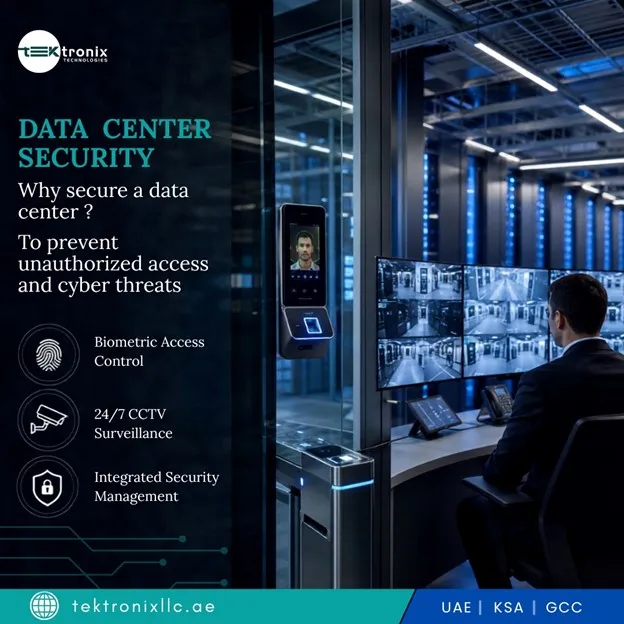

A hospital's electronic medical records system going offline isn't an IT inconvenience — it's a direct threat to patient care, with clinicians suddenly unable to access medication histories, allergy records, or lab results during active treatment decisions. Robust Data Center Security protecting that infrastructure is genuinely a patient safety requirement, and UAE hospitals reviewing data center perimeter security solutions for healthcare infrastructure are learning that healthcare data centers demand a fundamentally different risk calculus than almost any other sector.
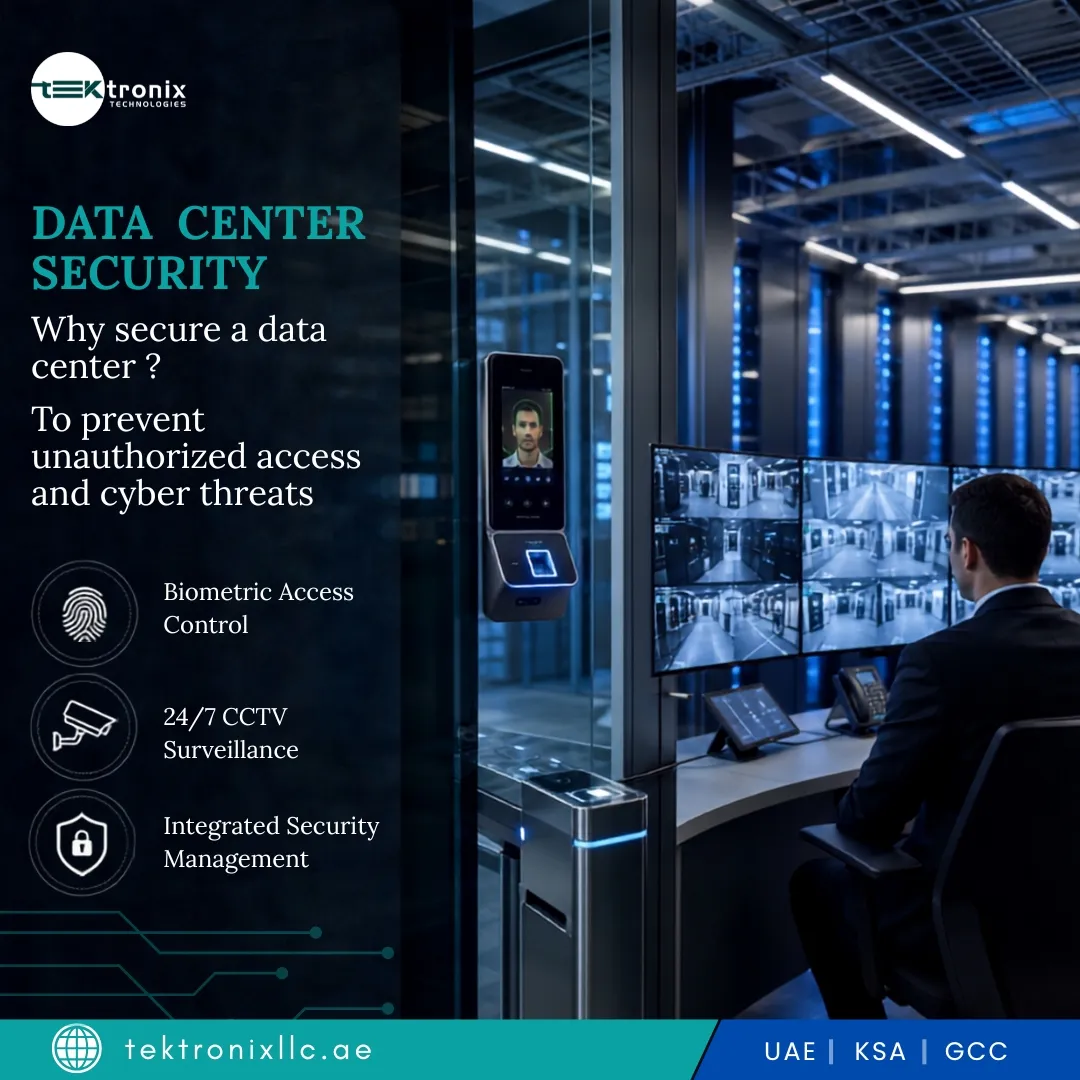
Hospitals have become one of the most heavily targeted sectors globally for cyberattacks, holding valuable patient data, running life-critical connected medical devices, and historically operating with security infrastructure that hasn't always kept pace with the sector's rapid digital transformation. This comprehensive guide examines what genuine data center security looks like when the systems being protected directly support patient care rather than simply supporting business operations.
Why Hospital Data Centers Carry Uniquely High Stakes
A retail company experiencing a data center breach faces financial loss and reputational damage. A hospital experiencing the same category of breach faces those consequences plus something far more serious — clinicians losing access to critical patient information during active treatment, connected medical devices potentially compromised, and in the most severe ransomware scenarios, entire hospital systems forced back to manual paper processes during an active patient care emergency.
This elevated stake profile explains why healthcare has become a persistently attractive target for cybercriminals specifically — hospitals hold valuable patient data, often pay ransoms faster than other sectors given the direct patient safety pressure, and historically presented a less mature security posture than financial services or government, though that gap has narrowed considerably as the sector has invested more heavily in recent years.
Physical Security Foundations for Healthcare Data Infrastructure
Data Center Access Control for Health Records Infrastructure
Hospital Data Center Access Control needs to restrict physical access to servers hosting electronic medical records and clinical systems as rigorously as any financial institution's infrastructure, given that patient data carries comparable regulatory sensitivity and considerably higher personal consequence if compromised.
Data Center Surveillance Protecting Patient Data Infrastructure
Continuous Data Center Surveillance covering server rooms hosting hospital IT infrastructure gives healthcare security teams the documented physical oversight increasingly expected during DHA or DOH regulatory review, alongside genuine deterrence against physical tampering with life-critical systems.
Data Center Intrusion Detection for Hospital IT Environments
Physical Data Center Intrusion Detection at server room perimeters catches unauthorised access attempts before they reach infrastructure hosting patient records or connected medical device management systems, an early-warning layer particularly valuable given how directly a physical breach could translate into compromised clinical systems.
Network Security for Life-Critical Healthcare Systems
Cybersecurity for Data Center Environments Hosting EMR and Medical Devices
Comprehensive Cybersecurity for Data Center environments supporting hospital operations needs to protect not just administrative systems but electronic medical record platforms and increasingly network-connected medical devices, each carrying distinct vulnerability profiles that a generic corporate security approach doesn't fully address.
Data Center Encryption for Patient Records and Clinical Data
Applying Data Center Encryption to patient records and clinical data at rest and in transit protects information that carries both regulatory sensitivity under UAE health data frameworks and deeply personal consequence for patients if exposed, making encryption a non-negotiable baseline rather than an optional enhancement.
Data Center Firewalls Segmenting Clinical and Administrative Networks
Effective Data Center Firewalls segment clinical systems, connected medical devices, and administrative networks from one another, ensuring a compromised administrative workstation can't provide a pathway into life-critical clinical systems or vice versa.
Data Center Threat Detection Against Healthcare-Targeted Ransomware
Given the sector's specific targeting by ransomware groups, Data Center Threat Detection correlating network anomalies with access patterns helps hospital security teams identify an attack in its early stages, before encryption spreads across critical systems and forces a genuine patient care disruption.
Telemedicine and Remote Care Infrastructure Security
The rapid growth of telemedicine services across UAE healthcare has introduced a further data center security dimension, since remote consultation platforms and associated patient data now flow through infrastructure that needs the same rigorous protection as traditional in-hospital systems, despite serving patients who may never physically visit the facility.
Securing this infrastructure requires particular attention to the network pathway between patients' home devices and the hospital's core systems, ensuring encryption and access control extend properly across that entire connection rather than only protecting the data once it reaches internal hospital infrastructure, since a gap anywhere along that pathway could expose sensitive consultation data.
Vendor and Third-Party System Risk Management
Hospitals typically integrate numerous third-party systems into their core infrastructure — laboratory information systems, pharmacy management platforms, insurance claims processing, and diagnostic imaging systems among others — each representing a potential security gap if the vendor's own security practices don't match the hospital's internal standards.
A comprehensive data center security programme should include vendor risk assessment for these third-party integrations, verifying that each connected system maintains security practices consistent with the hospital's own requirements rather than assuming a vendor's general reputation guarantees adequate security specifically for the sensitive healthcare data flowing through their integration.
The Ransomware Threat Targeting Healthcare Specifically
Ransomware groups have specifically targeted hospitals in recent years, recognising that healthcare organisations face unique pressure to restore systems quickly given the direct patient safety consequences of prolonged downtime, making hospitals statistically more likely to pay a ransom demand than organisations in sectors where downtime carries purely financial consequences.
This targeting pattern makes proactive threat detection and rapid incident response capability particularly valuable for healthcare data centers, since the cost of prevention is consistently lower than the cost of recovery from a successful ransomware incident that forces a hospital back to manual paper-based operations, potentially for days or weeks during recovery.
Protecting Medical Devices and Connected Clinical Systems
Modern hospitals increasingly rely on network-connected medical devices — infusion pumps, patient monitors, imaging systems — that introduce a genuinely distinct security challenge, since these devices often run specialised software with longer update cycles than standard IT equipment, creating potential vulnerabilities that persist longer than a typical server or workstation would tolerate.
Effective healthcare data center security treats connected medical device networks as a distinct, carefully segmented zone, isolated from general hospital IT traffic and monitored specifically for the unusual activity patterns that might indicate a compromised device, rather than assuming standard corporate network security automatically extends adequate protection to this specialised device category.
Uptime as a Patient Safety Requirement, Not Just an IT Metric
Data center uptime in a hospital context directly affects patient care in a way few other sectors experience. A prolonged outage doesn't just inconvenience staff — it can delay treatment decisions, disrupt medication administration systems, and force clinicians back to manual processes during active patient care, making uptime commitments a genuine clinical governance matter rather than purely a technical service level agreement.
This reality typically drives hospitals toward redundant infrastructure design with genuine failover capability, rather than accepting the single-point-of-failure risk that a lower-stakes commercial deployment might reasonably tolerate given the different consequence profile of downtime in each setting.
Data Center Security UAE: Healthcare Infrastructure Considerations
UAE hospitals specifying Data Center Security UAE-wide for healthcare infrastructure need to navigate both general data center security standards and healthcare-specific regulatory frameworks governing patient data protection, creating documentation and compliance requirements beyond what a standard commercial data center specification would address.
Data Center Security Dubai — DHA Health Data Requirements
Hospitals pursuing Data Center Security Dubai deployments typically need to align infrastructure security with DHA health data protection requirements, alongside broader DESC oversight for facilities supporting regulated healthcare operations within the emirate.
Data Center Security Abu Dhabi — DOH and Malaffi Considerations
Healthcare facilities pursuing Data Center Security Abu Dhabi deployments must align with Department of Health oversight, with particular attention to security requirements around Malaffi, Abu Dhabi's health information exchange platform, which introduces additional data-sharing security considerations beyond a single facility's internal infrastructure.
Staff Training as a Critical Layer of Healthcare Data Security
Even the most sophisticated technical infrastructure provides limited protection if clinical and administrative staff aren't properly trained to recognise phishing attempts, follow proper credential hygiene, and understand their role in maintaining the hospital's overall security posture, since human error remains a consistent factor in successful healthcare breaches globally.
Regular security awareness training tailored specifically to healthcare scenarios, covering realistic examples like phishing emails disguised as urgent patient care requests, helps close the human element of hospital security that technical controls alone cannot fully address, complementing rather than replacing the infrastructure-level protections this guide has covered.
Business Continuity and Disaster Recovery for Hospital Systems
Hospital data center security planning must extend beyond preventing breaches to encompass genuine disaster recovery capability, since a hospital experiencing a significant infrastructure failure needs a tested, reliable path back to full clinical system availability, not just a theoretical backup that's never actually been verified to work under real recovery conditions.
Regular disaster recovery testing, including genuine failover exercises rather than only documentation review, gives hospital IT and clinical leadership confidence that backup systems will actually perform when needed, a confidence that untested backup infrastructure simply cannot provide regardless of how comprehensive it appears on paper.
Standards and Regulatory Alignment
Healthcare data center security programmes are typically benchmarked against ISO 27001 for information security management, with UAE PDPL shaping how patient personal data is stored, encrypted, and retained. DHA and DOH health data protection requirements layer additional sector-specific expectations on top of these general standards, while facilities integrated with regional health information exchanges face further security considerations around data-sharing infrastructure.
Why UAE Hospitals Choose Tektronix for Data Center Security
Tektronix LLC designs data center security programmes specifically for hospitals and healthcare facilities across the UAE, deploying access control, surveillance, and intrusion detection infrastructure from Genetec, Milestone, HID Global, and Honeywell configured around the elevated stakes and specific regulatory requirements healthcare demands. Every engagement includes a clinical systems risk assessment distinguishing life-critical infrastructure from standard administrative systems, along with disaster recovery planning and testing suited to healthcare's genuine patient safety continuity requirements.
Hospitals planning a data center security upgrade can review Tektronix's data center perimeter security solutions to understand deployment approaches suited to the elevated stakes healthcare infrastructure genuinely carries.
Conclusion
Hospital data centers carry stakes that extend directly into patient safety, making comprehensive Data Center Security a clinical governance matter as much as an IT concern. Rigorous Data Center Access Control, continuous Data Center Surveillance, and early-warning Data Center Intrusion Detection protect the physical infrastructure hosting patient care systems. On the network side, Cybersecurity for Data Center practices suited to connected medical devices, comprehensive Data Center Encryption, properly segmented Data Center Firewalls, and vigilant Data Center Threat Detection against healthcare-targeted ransomware protect both patient data and life-critical clinical systems. As Data Center Security UAE standards for healthcare continue rising — including Data Center Security Dubai DHA-aligned facilities and Data Center Security Abu Dhabi DOH and Malaffi-integrated hospitals — institutions that invest in genuinely healthcare-appropriate data center security protect both patient safety and the trust their community places in them.
FAQs
1. Why are hospitals specifically targeted by ransomware attackers?
Hospitals face unique pressure to restore systems quickly given direct patient safety consequences of downtime, making them statistically more likely to pay ransom demands compared to sectors where downtime carries purely financial consequences.
2. How should connected medical devices be secured differently from standard IT equipment?
Medical devices often run specialised software with longer update cycles, meaning they should be isolated into a distinct, carefully segmented network zone and monitored specifically for unusual activity rather than relying on standard corporate network security alone.
3. What makes hospital data center uptime different from a typical commercial facility's uptime requirements?
Downtime in a hospital setting can directly delay treatment decisions and disrupt medication systems, making uptime a genuine patient safety consideration rather than purely a technical service level metric measured against business operational impact alone.
4. How often should hospital disaster recovery systems be tested?
Regular genuine failover testing, not just documentation review, is recommended at least annually, giving hospital IT and clinical leadership verified confidence that backup systems will actually perform during a real recovery scenario.
5. What is Malaffi and how does it affect Abu Dhabi hospital data center security?
Malaffi is Abu Dhabi's health information exchange platform, and hospitals integrated with it face additional security considerations around secure data sharing beyond what a single facility's internal infrastructure alone would need to address.
For more information contact us on:
Tektronix Technology Systems Dubai-Head Office
+971 50 814 4086


























Sign in to leave a comment.