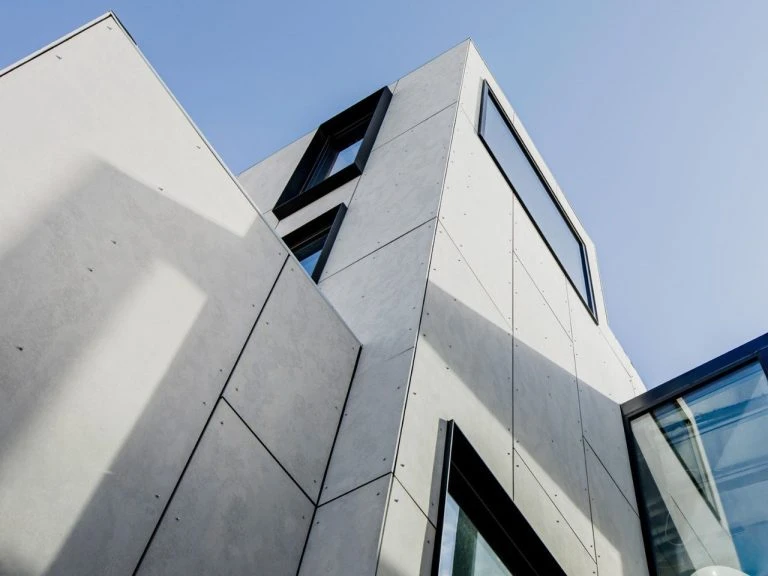
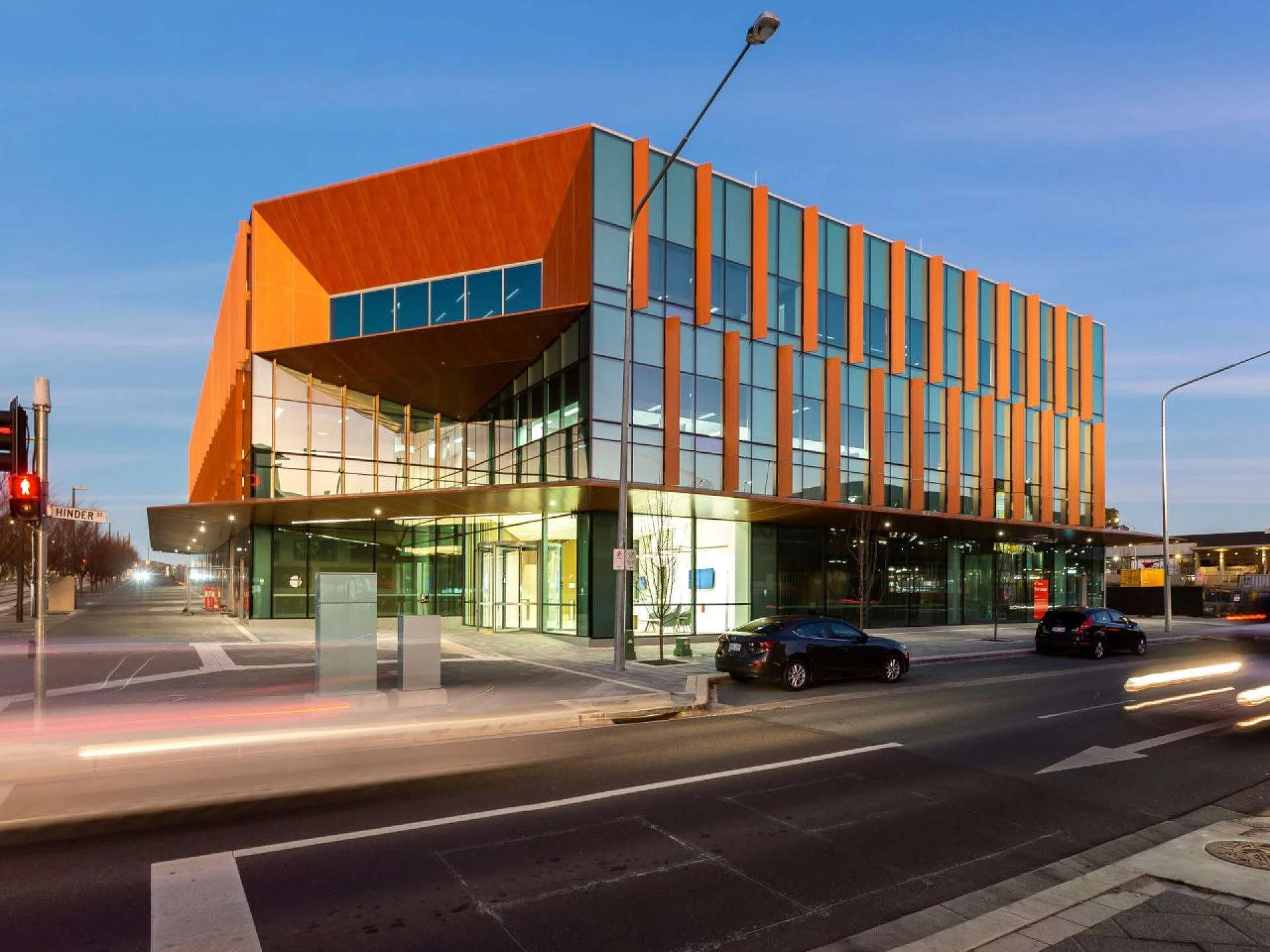
In modern architecture, creating buildings that are both safe and visually appealing is a top priority. When it comes to the exterior of a structure, cladding plays a significant role in both design and safety. Non-combustible cladding has become the preferred choice for those seeking fire-resistant materials that do not compromise on aesthetics. These materials are vital for ensuring a building’s safety, especially when preventing the spread of fire.
What is Non-Combustible Cladding?
Non-combustible cladding refers to materials used in the exterior of buildings that resist ignition and fire spread. Typically made from metal, concrete, stone, or fibre cement, these materials are designed to withstand high temperatures and provide protection during a fire. In light of rising fire safety concerns, non-combustible cladding has gained popularity for both residential and commercial buildings, offering essential fire resistance while enhancing a building’s appearance.
Safety First: The Key Advantage
The main reason to choose non-combustible cladding is safety. In buildings with combustible materials like certain plastics or wood, fire can spread rapidly across the exterior. This increases risks to both building occupants and emergency responders. Non-combustible cladding acts as a protective barrier that helps prevent the spread of fire, offering critical time for evacuation and firefighting efforts. Many non-combustible materials also reduce the intensity of a fire, helping to contain it and minimise damage.
This fire-resisting property makes non-combustible cladding ideal for high-rise and multi-story buildings, where the potential for fire hazards is greater. In these structures, preventing the spread of fire is essential to ensuring the safety of occupants and preserving the integrity of the building.
Durability and Longevity
Non-combustible cladding materials are not only fire-resistant but also highly durable. Materials such as metal, stone, and concrete are naturally resistant to weather conditions like rain, snow, and high winds. These materials do not fade, corrode, or degrade over time, ensuring that the building’s exterior maintains its appearance and functionality for years. This longevity makes non-combustible cladding a cost-effective investment in the long run.
Additionally, non-combustible cladding is low-maintenance. Unlike wood-based cladding, which can rot, warp, or attract pests, non-combustible materials remain intact and do not require frequent repairs. This means lower maintenance costs and fewer replacements over time, making it a wise choice for property owners.
Aesthetic Appeal: Stylish and Versatile
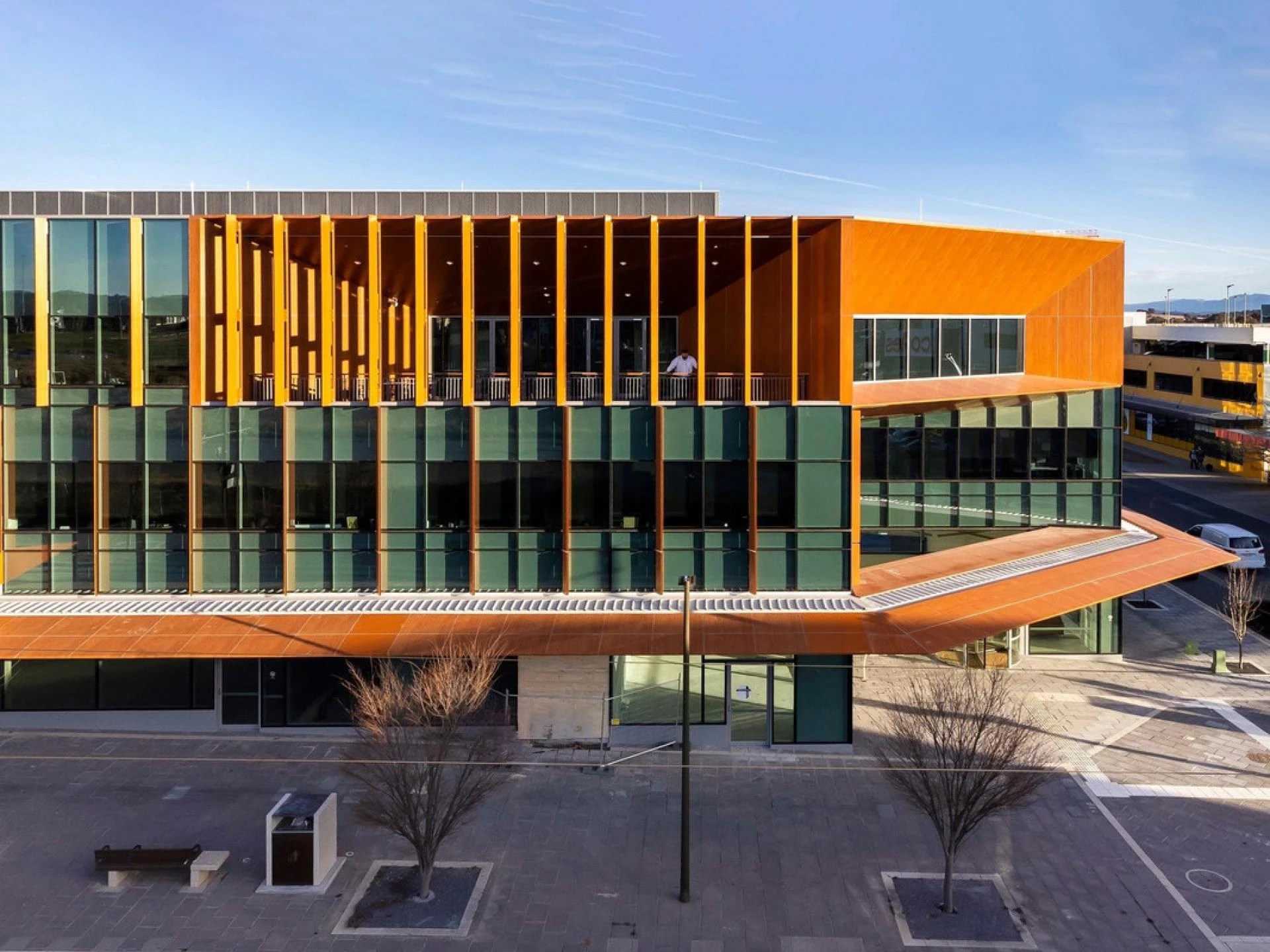
Non-combustible cladding offers more than just fire protection; it also enhances the visual appeal of a building. These materials come in a variety of finishes, colours, and textures, providing architects and designers with flexibility to achieve a wide range of styles. Whether you prefer sleek metal panels, polished stone, or textured concrete, non-combustible cladding can be customised to complement any architectural design.
This versatility allows for both modern and traditional designs to incorporate non-combustible cladding without sacrificing aesthetic appeal. Whether you’re building a high-rise tower or a low-rise residential structure, non-combustible cladding ensures that safety and style go hand-in-hand.
Environmental Considerations
Non-combustible cladding is also a more sustainable option for environmentally conscious builders. Many of these materials, such as concrete and metal, are recyclable, helping to reduce the overall environmental impact. Additionally, the durability and longevity of non-combustible cladding mean fewer resources are needed for replacements over time, making it an eco-friendlier choice compared to materials that require frequent maintenance or disposal.
Choosing non-combustible cladding aligns with green building practices, contributing to a building’s overall sustainability while reducing its carbon footprint.
Compliance with Building Codes
Fire safety regulations are becoming stricter, particularly for high-rise buildings. Many local and national building codes now require the use of non-combustible materials to meet fire safety standards. Non-combustible cladding ensures compliance with these regulations, helping to avoid fines or delays in construction.
Final Thoughts
Non-combustible cladding provides an ideal balance of safety, durability, and aesthetic appeal. Whether you are an architect, developer, or property owner, opting for non-combustible cladding is a smart decision that enhances the safety and value of any structure.
























Sign in to leave a comment.