Older commercial properties can struggle to meet modern standards for energy efficiency and visual appeal. Over time, exterior materials deteriorate, insulation becomes less effective, and buildings begin to look dated. Modern recladding solutions offer a practical way to address these issues without the need for complete reconstruction. By upgrading the building envelope, property owners can significantly improve performance and aesthetics.
Recladding involves replacing or upgrading the outer layer of a building with new, high-performance materials. These materials are specifically designed to improve insulation by reducing heat transfer between the interior and exterior environments. As a result, buildings can maintain more stable indoor temperatures, reducing reliance on heating and cooling systems. This leads to lower energy consumption and decreased utility costs, making recladding a smart long-term investment. Improved insulation also enhances occupant comfort, which is especially important in commercial settings where productivity and customer experience matter. In regions with extreme weather conditions, this added insulation can significantly reduce strain on HVAC systems and extend their operational lifespan.
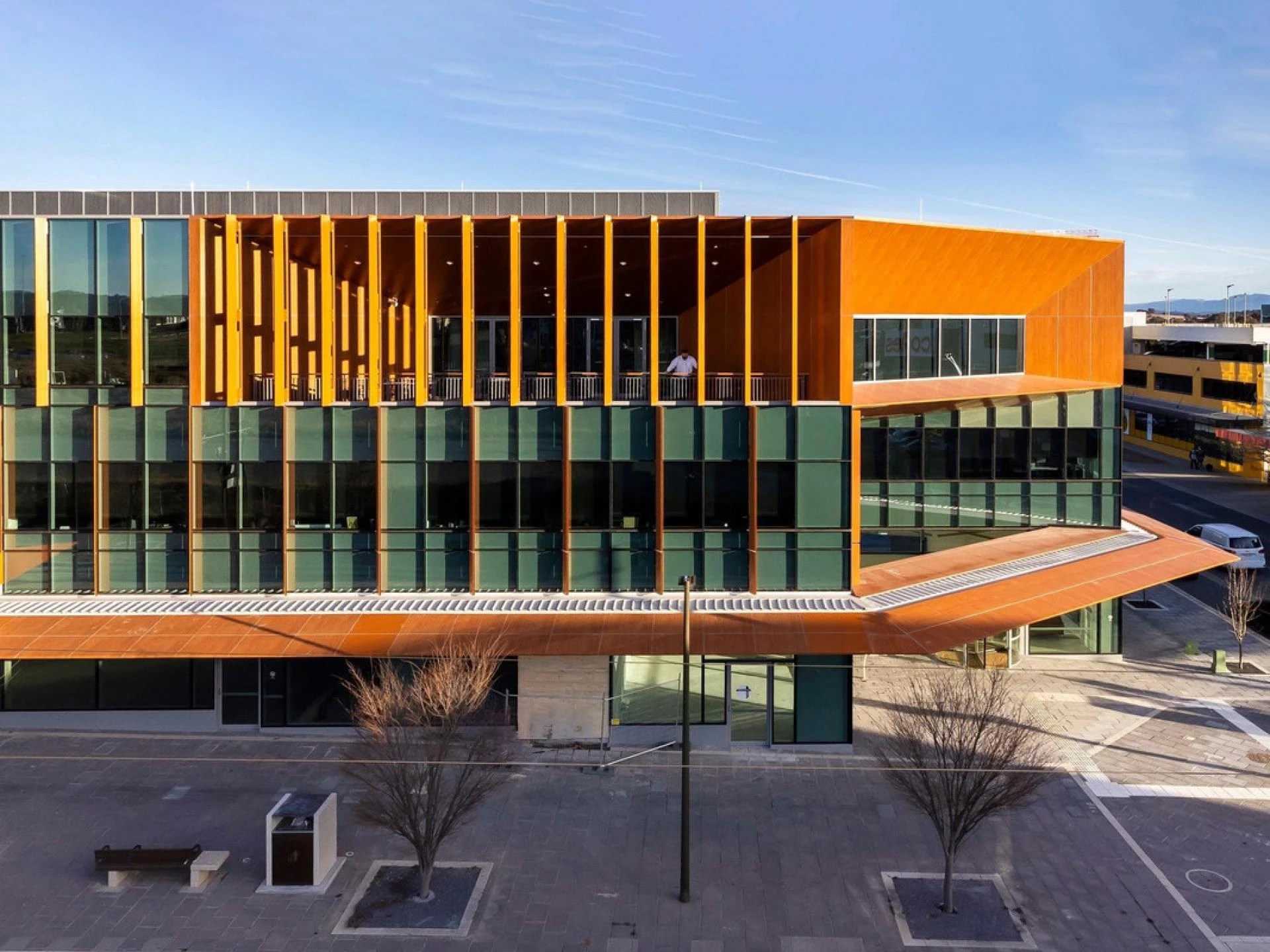
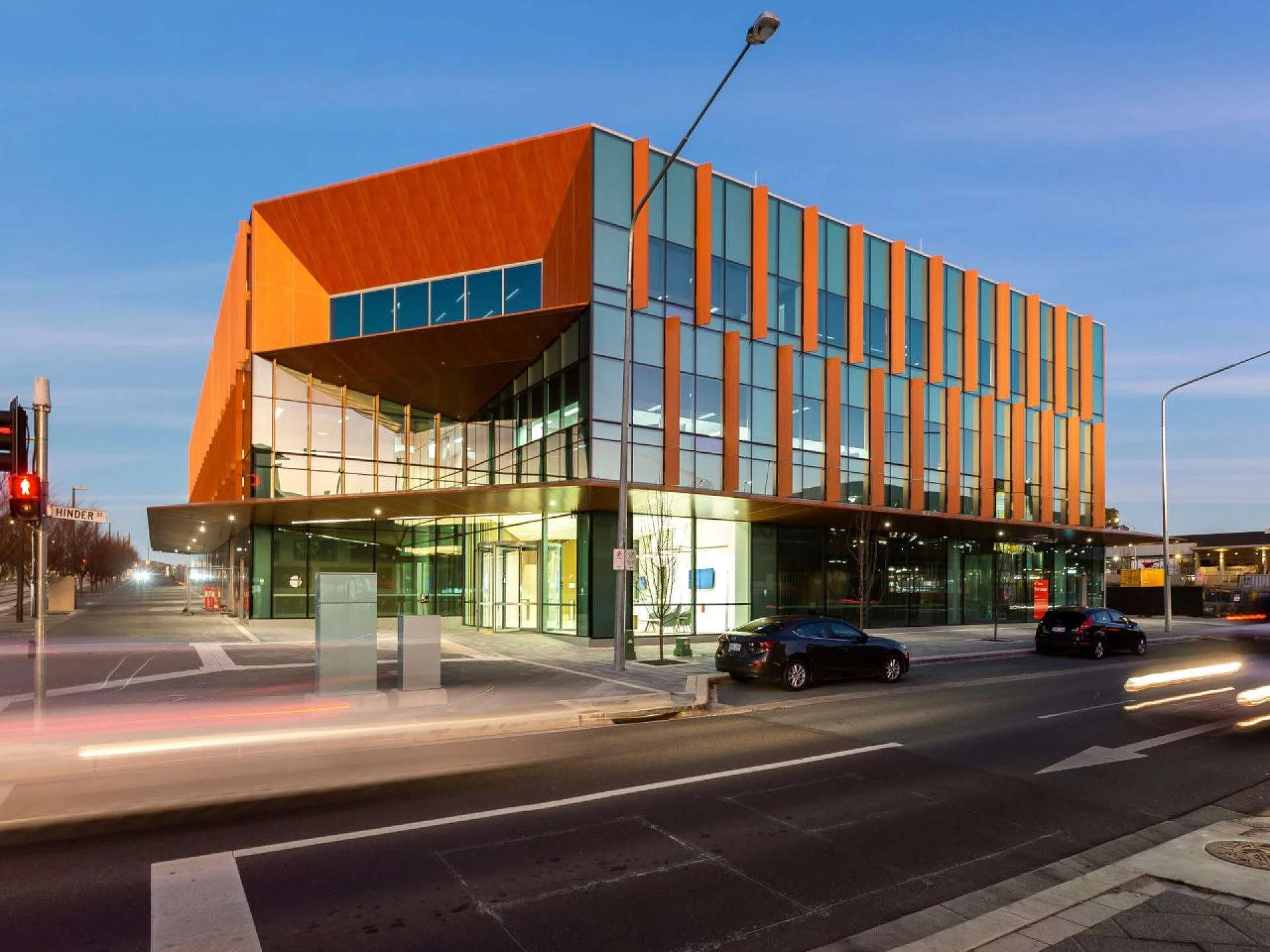
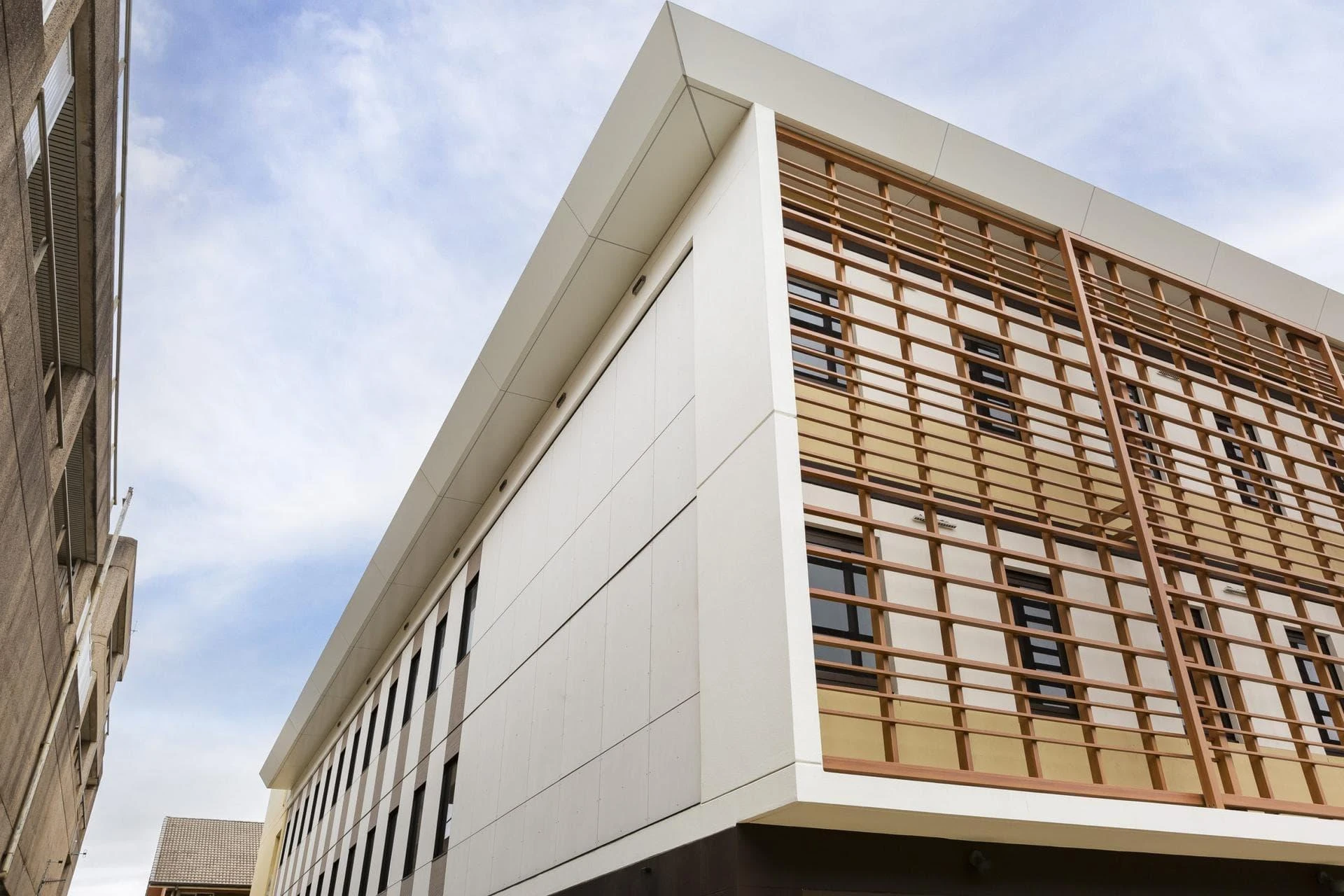
Beyond energy efficiency, modern recladding significantly improves the visual appearance of commercial properties. Outdated facades can negatively impact a business’s image, while a refreshed exterior creates a more professional and inviting look. Contemporary cladding materials come in a wide range of finishes, colours, and textures, allowing property owners to customise designs that align with their brand identity. Whether opting for sleek metal panels, glass systems, or composite materials, recladding provides a modern aesthetic that can increase property value and attract tenants or customers. Enhanced curb appeal often leads to higher occupancy rates and stronger tenant retention over time.
Durability is another key advantage of modern recladding systems. New materials are engineered to withstand harsh weather conditions, including heavy rain, strong winds, and prolonged sun exposure. Many options also offer resistance to corrosion, moisture, and fire, adding an extra layer of protection to the building. This durability reduces maintenance requirements and extends the lifespan of the structure. In turn, property owners benefit from fewer repair costs and greater peace of mind over time. Advanced coatings and finishes also help maintain the building’s appearance by resisting fading, staining, and surface damage.
Sustainability is an increasingly important factor in commercial property upgrades, and recladding supports environmentally responsible practices. Many modern cladding materials are recyclable or made from sustainable resources. Additionally, improved insulation reduces the building’s carbon footprint by lowering energy consumption. Some systems are even designed to integrate with renewable energy technologies, such as solar panels. These features not only benefit the environment but also help businesses meet regulatory requirements and sustainability goals. Green certifications and energy ratings can further enhance a property’s marketability and long-term value.
Another important consideration is minimal disruption during installation. Compared to full-scale renovations or rebuilding, recladding can often be completed with less impact on daily operations. Many systems are designed for efficient installation, allowing businesses to continue functioning while upgrades are underway. This is particularly valuable for commercial properties that cannot afford extended downtime. Careful planning and professional execution ensure that the process remains smooth and cost-effective.
Safety and compliance are also enhanced through recladding projects. Older buildings may not meet current building codes or fire safety standards, posing potential risks. Modern cladding systems are developed to comply with updated regulations, providing improved fire resistance and structural performance. Upgrading the exterior can help property owners avoid legal issues and ensure the safety of occupants. It also demonstrates a commitment to maintaining high standards in building management.
Finally, modern recladding solutions offer a powerful way to upgrade aging commercial properties by improving insulation and enhancing exterior aesthetics. They deliver energy efficiency, durability, and sustainability while minimising disruption during installation. Investing in recladding ensures long-term value, making buildings more attractive, compliant, and efficient in a competitive market.






















Sign in to leave a comment.