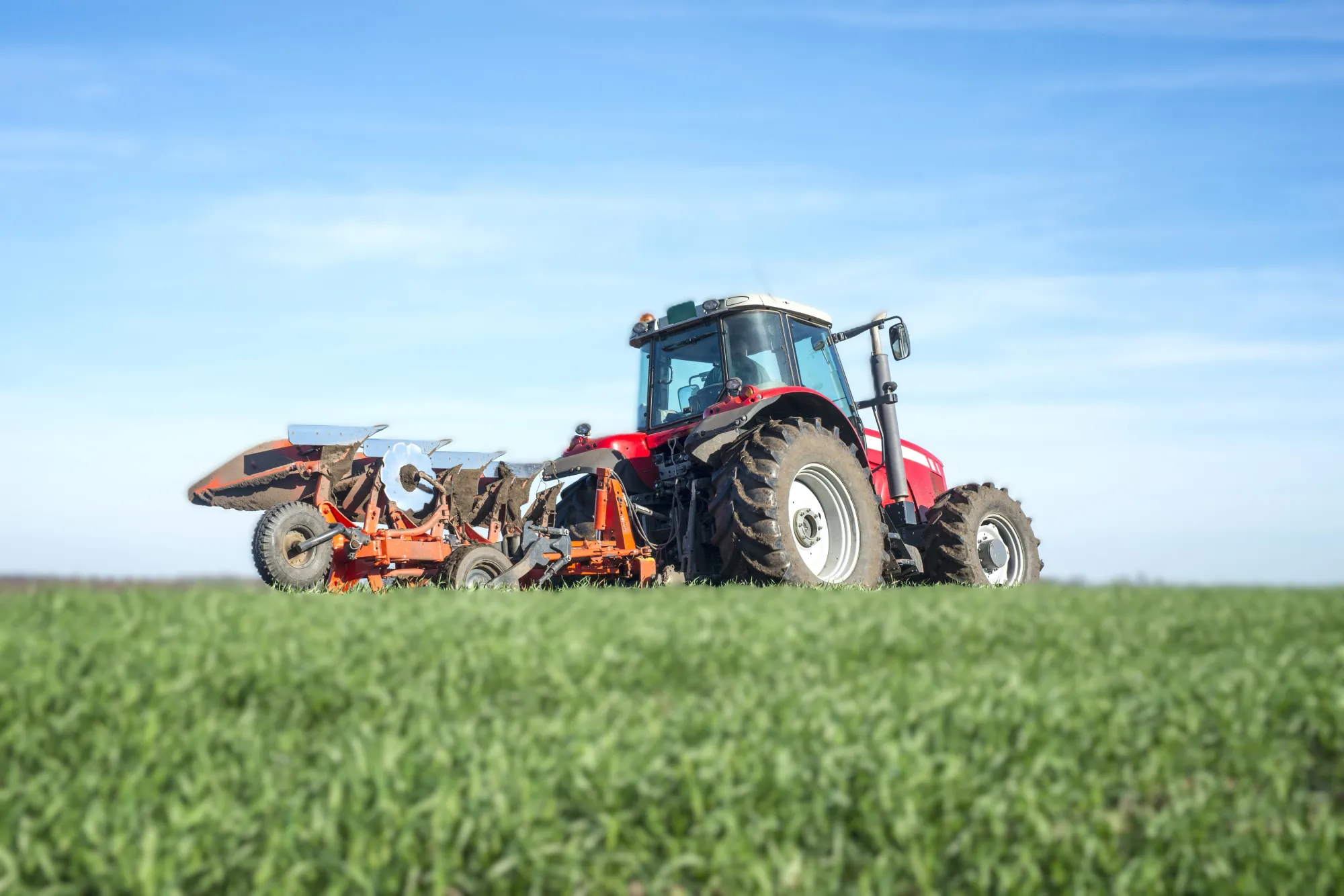

Running a small farm comes with its own set of daily demands. Whether you are clearing land, preparing seedbeds, hauling feed, or maintaining pastures, the right tractor makes every task faster and less tiring. But with so many models, power ratings, and attachments available, choosing tractors for small farm operations can feel overwhelming. This guide breaks down everything you need to know so you can make a confident, informed decision.
Why Choosing the Right Tractor Matters
Buying the wrong tractor is a costly mistake. A machine that is too large for your land causes unnecessary soil compaction and is harder to manoeuvre in tight spaces. A tractor that is underpowered struggles with heavy implements and wears out faster. The right match improves fuel efficiency, reduces maintenance costs, extends the machine's working life, and makes day-to-day farm tasks genuinely easier. It also gives you better safety on slopes and more control on difficult terrain.
Understanding Horsepower for Small Farm Tractors
Horsepower (HP) is the single most important specification to get right when selecting tractors for small farm use. Here is a straightforward way to match power to land size:
- 15 to 30 HP: Best suited for properties between 1 and 5 acres. Handles light tillage, mowing, transport, and yard maintenance with ease.
- 25 to 40 HP: A solid choice for small to medium fields where moderate tillage, loader work, and multi-season tasks are required.
- 40 to 50 HP: Recommended for farms between 5 and 15 acres that need heavier tillage, large hay tools, or consistent use of demanding attachments.
A practical tip is to choose your horsepower based on the three most demanding jobs you do each year, not the lightest ones. This ensures the tractor does not strain under load during peak season.
Key Factors to Consider Before You Buy
1. Farm Size and Terrain
Start by assessing your land. A small, flat property with firm soil has very different requirements from a hilly, waterlogged farm with narrow rows. Steep or uneven terrain calls for a 4WD tractor with a low centre of gravity for better grip and stability. Flat, stable ground can be efficiently worked with a 2WD model, which also costs less to buy and maintain. Understanding your terrain upfront prevents regret later.
2. Drivetrain Selection
Two-wheel drive (2WD) tractors are lighter, more fuel-efficient, and more affordable. They work well for dry, flat fields and general-purpose tasks. Four-wheel drive (4WD) tractors provide superior traction on wet ground, slopes, and rough terrain. For small farms with mixed conditions, a 4WD model offers greater versatility and year-round reliability.
3. Transmission Type
Mechanical transmissions are simpler in design, more durable, and less expensive to repair. They are a good choice for farmers who prefer a straightforward, dependable machine. Hydrostatic transmissions offer smoother, easier operation with no gear shifting, which is ideal for loader work, yard manoeuvres, and tasks that require frequent speed changes. If you are new to operating tractors, a hydrostatic gearbox makes the learning curve considerably shorter.
4. Safety and Comfort Features
Modern tractors for small farm operations come with important safety and comfort features that should not be overlooked. Look for a Roll-Over Protective Structure (ROPS), a reliable seat belt, bright headlights for early morning or late evening work, and a comfortable operator platform. If you work in wet or cold climates, a cab with heating adds real value. Clear dashboard controls and easy-to-reach levers improve productivity and reduce operator fatigue over long working days.
5. New vs Used Tractors
Used tractors may look like a bargain, but they often come with hidden issues such as high operating hours, worn hydraulics, expired warranties, and underlying engine problems. A new tractor offers first-hand ownership, modern technology, fuel efficiency, and full manufacturer support. If you are looking for reliable tractors for farming in Turkey, buying new from a trusted brand ensures you get the right warranty coverage, certified spare parts, and a dealer network you can depend on throughout the tractor's working life.
Essential Attachments for Small Farm Tractors
A tractor on its own is only part of the equation. The right attachments transform it into a multi-purpose machine capable of handling almost every task on your farm. Here are the most useful implements for small farms:
- Front-End Loader: The most commonly used attachment for lifting and moving soil, gravel, manure, mulch, and feed. Versatile and indispensable for daily farm work.
- Rotary Tiller: Breaks up and turns soil thoroughly, making it ideal for preparing seedbeds before planting.
- Rotary Cutter or Flail Mower: Used for clearing thick brush, cutting tall grass, and maintaining paddocks and pastures between growing seasons.
- Box Blade or Rear Blade: Perfect for levelling land, spreading gravel on tracks, and grading uneven ground.
- Plough and Harrow: Foundational tools for primary tillage, breaking up compacted soil layers, and incorporating organic matter before planting.
- Backhoe: Valuable for digging trenches, planting trees, removing stumps, and laying irrigation lines.
- Post-Hole Digger: A practical attachment for fencing work, which is a regular requirement on most small farms.
Always check that your chosen tractor has a compatible three-point hitch system and Power Take-Off (PTO) before purchasing attachments. These two features determine which implements the machine can safely run.
Basic Maintenance Habits to Protect Your Investment
Even the best tractors for small farm use need regular care to perform at their best. A few simple habits go a long way:
- Check engine oil, hydraulic fluid, and coolant levels before every use.
- Clean or replace air and fuel filters regularly, especially during dusty field conditions.
- Grease all lubrication points and moving parts at each service interval.
- Inspect tyre pressure weekly and check for uneven wear or visible damage.
- Keep battery terminals clean and check voltage monthly to avoid unexpected starting failures.
Final Thoughts
Investing in the right tractors for small farm operations is one of the smartest decisions a farmer can make. Match your horsepower to your land size, choose a drivetrain and transmission that suit your terrain, equip the machine with the right attachments, and commit to regular servicing. A tractor that is properly matched to your farm and well looked after will reward you with reliable performance, lower running costs, and many productive seasons ahead.


























Sign in to leave a comment.