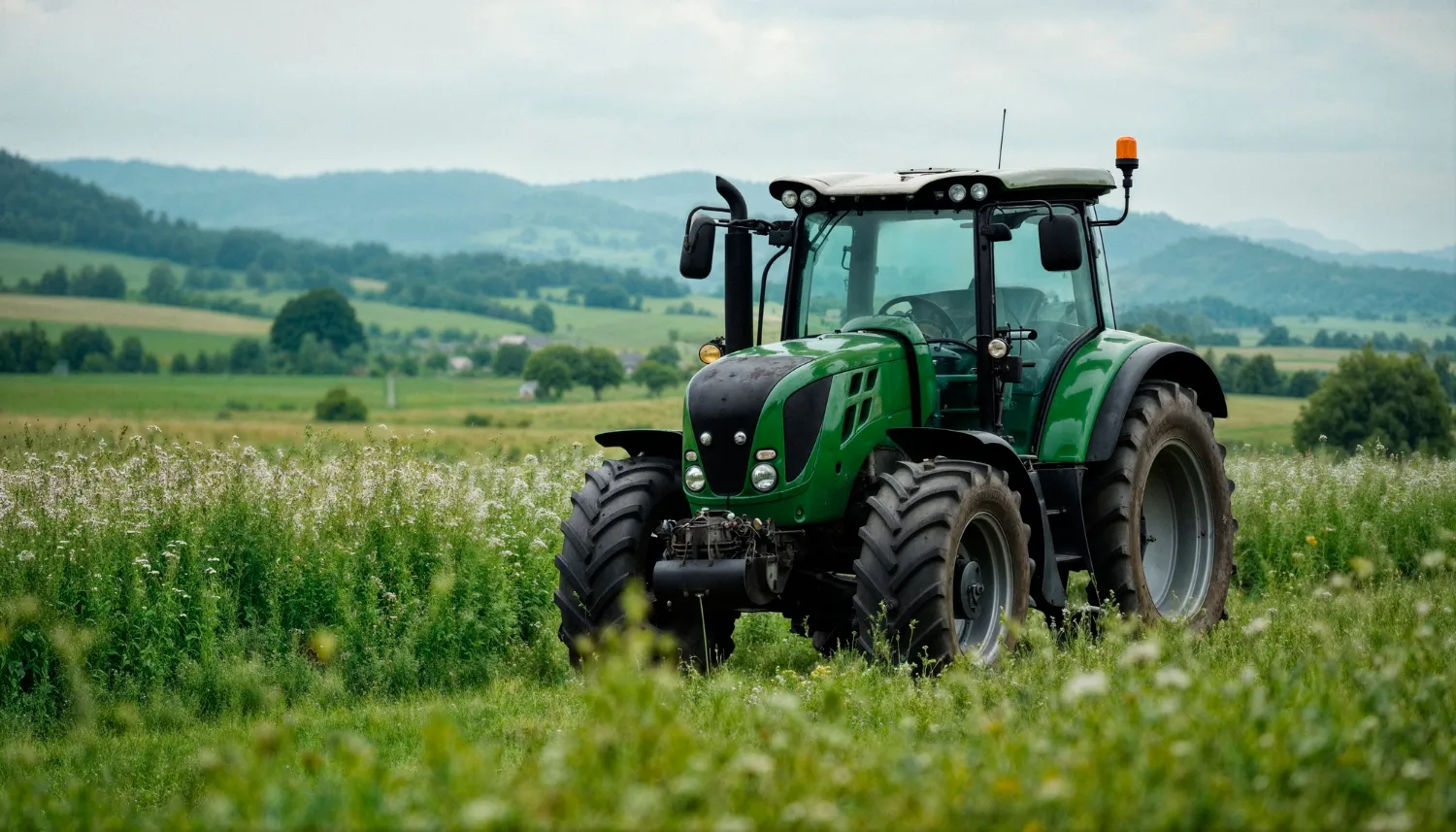

Agriculture is changing fast. Farmers today face growing pressure to cut costs, reduce emissions, and boost productivity all at once. Traditional diesel tractors have served the farming world well for decades, but a new generation of machines is reshaping the landscape. Hybrid tractors are leading this shift, offering a smarter, cleaner, and more flexible alternative to conventional options. If you are curious about what hybrid tractors are, how they work, and whether one is right for your farm, this guide has everything you need to know.
What Are Hybrid Tractors?
Hybrid tractors combine a traditional diesel engine with an electric motor and battery system. This dual-power setup allows the machine to draw on diesel power for demanding tasks while switching to electric mode for lighter operations. The result is a tractor that delivers the strength and reliability farmers have always depended on, with the added benefit of reduced fuel consumption and lower emissions.
Unlike fully electric tractors, which rely entirely on battery power and can face limitations with charging time and range, hybrid tractors offer a practical middle ground. Farmers do not have to choose between performance and sustainability. They get both, in one machine.
Why Are Hybrid Tractors Gaining Popularity?
The agricultural industry is becoming increasingly aware of its environmental impact. Hybrid tractors are gaining traction because they address two major concerns at once: operational efficiency and carbon footprint. Here is why more farmers are taking notice:
- Lower fuel costs: By running on electric power during lighter tasks, hybrid tractors consume significantly less diesel compared to conventional models.
- Reduced emissions: Switching between power sources means fewer pollutants released into the atmosphere, helping farms meet stricter environmental standards.
- Quieter operation: Electric mode produces far less noise, making the working environment more comfortable for operators and less disruptive to surrounding areas.
- Versatility: Hybrid tractors can handle a wide range of farming tasks from ploughing and seeding to hauling and mowing, without compromising on power.
- Fuel efficiency per task: Even during heavy-duty operations, the hybrid system optimises power delivery so that energy is not wasted.
How Hybrid Tractors Fit Into the Bigger Picture
Hybrid tractors do not exist in isolation. They are part of a broader wave of innovation transforming how farms operate. This shift includes electric tractors, autonomous systems, and precision farming tools, all working together to create a more efficient and sustainable agricultural model.
Electric tractors, which run entirely on battery power, are well suited for smaller farms and lighter workloads. They produce zero direct emissions and have very low running costs. However, for farms that require sustained power across large acreages or in challenging terrain, hybrid tractors currently offer a more practical and dependable solution.
For farmers running smaller operations or those looking to modernise without a steep upfront investment, a Compact Tractor in a hybrid configuration can be an excellent starting point. These models are manageable in size, cost-effective to operate, and increasingly available with advanced powertrain options that reflect the direction modern agriculture is heading.
Smart Technology Inside Hybrid Tractors
Modern hybrid tractors are not just about the powertrain. They often come equipped with digital dashboards and precision control systems that give operators real-time data on fuel usage, battery levels, soil conditions, and machine performance. This technology empowers farmers to make smarter decisions, reduce waste, and complete tasks with greater accuracy.
Some advanced hybrid models also support autonomous or semi-autonomous operation, allowing the tractor to carry out repetitive tasks like straight-line ploughing or seeding with minimal manual input. This frees up the farmer to focus on more complex decisions and overall farm management, rather than spending hours at the wheel.
Things to Consider Before Buying a Hybrid Tractor
Hybrid tractors are a smart investment for many farms, but like any major purchase, the decision requires careful thought. Here are the key factors to weigh up:
- Farm size and terrain: Hybrid tractors are most beneficial on medium to large farms or those with varied terrain where power demands fluctuate throughout the day.
- Task range: If your farm requires a wide variety of tasks across different seasons, a hybrid model gives you the flexibility to handle them all efficiently.
- Upfront cost vs long-term savings: Hybrid tractors cost more to purchase than conventional diesel models, but the savings in fuel and maintenance can offset this over time.
- Charging and infrastructure: While hybrids are less dependent on charging than fully electric tractors, some planning around power access is still needed if you plan to use electric mode regularly.
- After-sales support: Ensure your dealer offers reliable servicing for hybrid systems, as the technology is more complex than a standard diesel drivetrain.
The Road Ahead for Hybrid Tractors
Hybrid tractors represent a genuine step forward for the farming industry. They bridge the gap between the proven reliability of diesel engines and the clean, efficient potential of electric power. As fuel prices remain unpredictable and environmental regulations tighten, hybrid tractors are becoming a practical and forward-thinking choice for farmers who want to stay ahead.
The farming landscape is evolving, and the machines working these fields are evolving with it. Hybrid tractors are not just a trend. They are a key part of where agriculture is going, and now is a great time to understand what they can do for your farm.












Sign in to leave a comment.