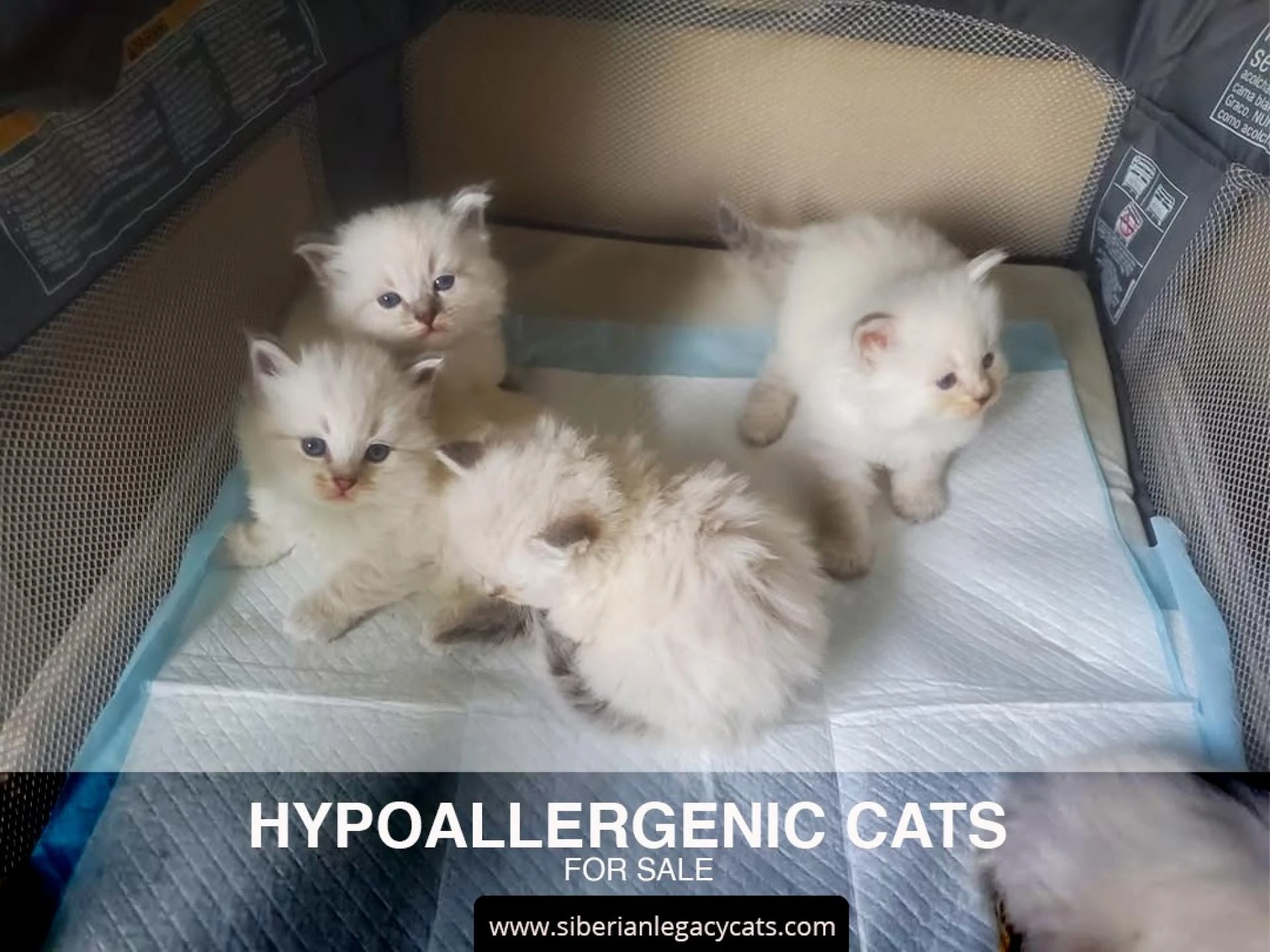

I never thought I would describe a cat as “life-changing.” Yet here I am, years after bringing home my first Siberian, still realizing how much that quiet decision reshaped my days. When I first began researching where to buy a Siberian kitten, I wasn’t just looking for a pet. I was searching for a connection—something genuine, calm, and deeply intuitive.
The Siberian stood out almost immediately. There was a quiet intelligence about the breed that felt rare. They weren’t aloof, nor overly dependent. They carried themselves with the composure of a guardian and the tenderness of a lifelong friend. What drew me most was their balance—emotionally grounded, affectionate, but never overwhelming.
Why the Siberian Breed Feels Different
Before owning one, I had read about their history—the Siberian’s roots in the cold forests of Russia, where survival shaped their temperament and resilience. Unlike many domestic breeds that were selectively refined in modern times, the Siberian evolved naturally for centuries, developing both physical and emotional intelligence. That lineage shows in how they move, how they watch, and even how they decide when to trust you.
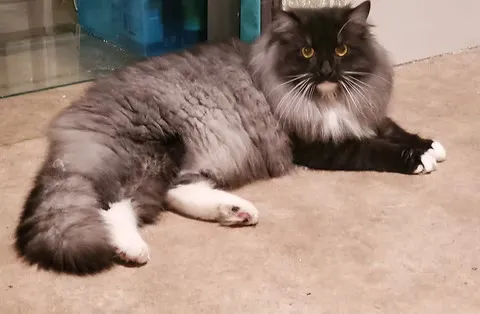
Their large, muscular build is often the first thing people notice. A fully grown male can weigh between 15 and 17 pounds, yet every movement is controlled and silent. Their coat, dense and layered, protects them from cold weather and even light rain. What surprised me most, however, wasn’t their beauty—it was their ability to sense emotion.
My Siberian seems to know when I need company and when I need silence. There’s a calm attentiveness in their gaze, something that feels almost human in its awareness. They’re not loud or demanding; they simply belong.
Deciding Between a Male and Female: Subtle but Meaningful Differences
When I was first deciding where to get a Siberian cat, I hadn’t realized how much the choice between a male and female could shape the household dynamic. Both share the Siberian’s signature loyalty and intelligence, but their expressions of affection differ subtly.
Male Siberians, in my experience, are more openly affectionate. They seek physical closeness and seem to enjoy being part of every routine—whether that’s curling beside you while you read or following you from room to room. They are confident and social, often bonding equally with all members of a family.
Female Siberians, on the other hand, are composed and deliberate. They take their time to observe before they engage, and once they choose their person, that bond runs deep. They tend to be graceful protectors—attentive and nurturing in a quieter, more personal way.
Neither choice is “better.” It’s about compatibility. If you prefer a constant companion with a big, outgoing personality, a male Siberian may be ideal. If you value independence, subtle affection, and a calm, grounded energy, a female may feel like the right fit.
When I was making my decision, I reflected on my lifestyle. I worked from home, enjoyed quiet routines, and wanted a cat who would keep me company without constant attention. A female Siberian turned out to be the perfect match. She moves through my space like light—present, warm, and calm.
Understanding Their Traits and Daily Rhythms
The Siberian’s temperament feels almost paradoxical: powerful yet gentle, playful yet patient. They love mental stimulation, whether that’s through puzzle feeders, gentle play, or new textures to explore. They’re also impressively adaptive.
Despite their heavy coats, Siberians handle warm weather well. Their triple-layered fur adjusts seasonally—shedding naturally when temperatures rise and thickening in colder months. Regular brushing once or twice a week keeps their coat clean and comfortable. They also tend to have a calm, balanced metabolism, so maintaining a healthy weight is easy with portioned meals and moderate activity.
One of my favorite things about living with a Siberian is how quietly interactive they are. They “talk” softly, using chirps and trills rather than meows, as if holding a low, private conversation. They watch everything—your tone, your pace, your routine—and mirror your calmness.
I often think of my Siberian as the soul of my home. Her presence transforms silence into comfort. She doesn’t demand attention; she offers it quietly, in a way that never feels performative.
Finding the Right Start
For anyone considering where to buy a Siberian kitten, I would advise beginning with patience and research. Look for responsible breeders who prioritize health, temperament, and early socialization. Siberians are long-lived cats, often reaching 15 to 18 years, and their well-being begins with strong genetics and gentle rearing.
Reputable breeders will gladly share details about the parents, lineage, and medical testing. They will also discuss personality traits and compatibility rather than just appearance. I learned that how a kitten is raised—handled daily, introduced to sounds, and given positive human interaction—has a profound impact on how they adapt later.
When exploring where to get a Siberian cat, don’t rush the decision. Visit if possible, or schedule a video meeting to see how the kittens behave. A good match often feels intuitive—you’ll recognize it in the kitten’s eyes, the way they look at you, or even in their calmness amid their littermates.
Living with a Siberian: A Quiet Reward
Years later, my Siberian still feels like the heart of my everyday life. She greets each morning with quiet curiosity, follows the light as it moves through the house, and curls beside me when the day slows down. Owning her has deepened my appreciation for presence—for the small, wordless moments that build connection.
Siberians are more than just pets; they are partners in rhythm. They sense your emotions, respect your space, and bring a kind of companionship that feels both ancient and new. For anyone ready to share their home with a cat that embodies loyalty, balance, and grace, this is a breed that gives more than it takes—one that turns an ordinary home into something quietly extraordinary.

























Sign in to leave a comment.