

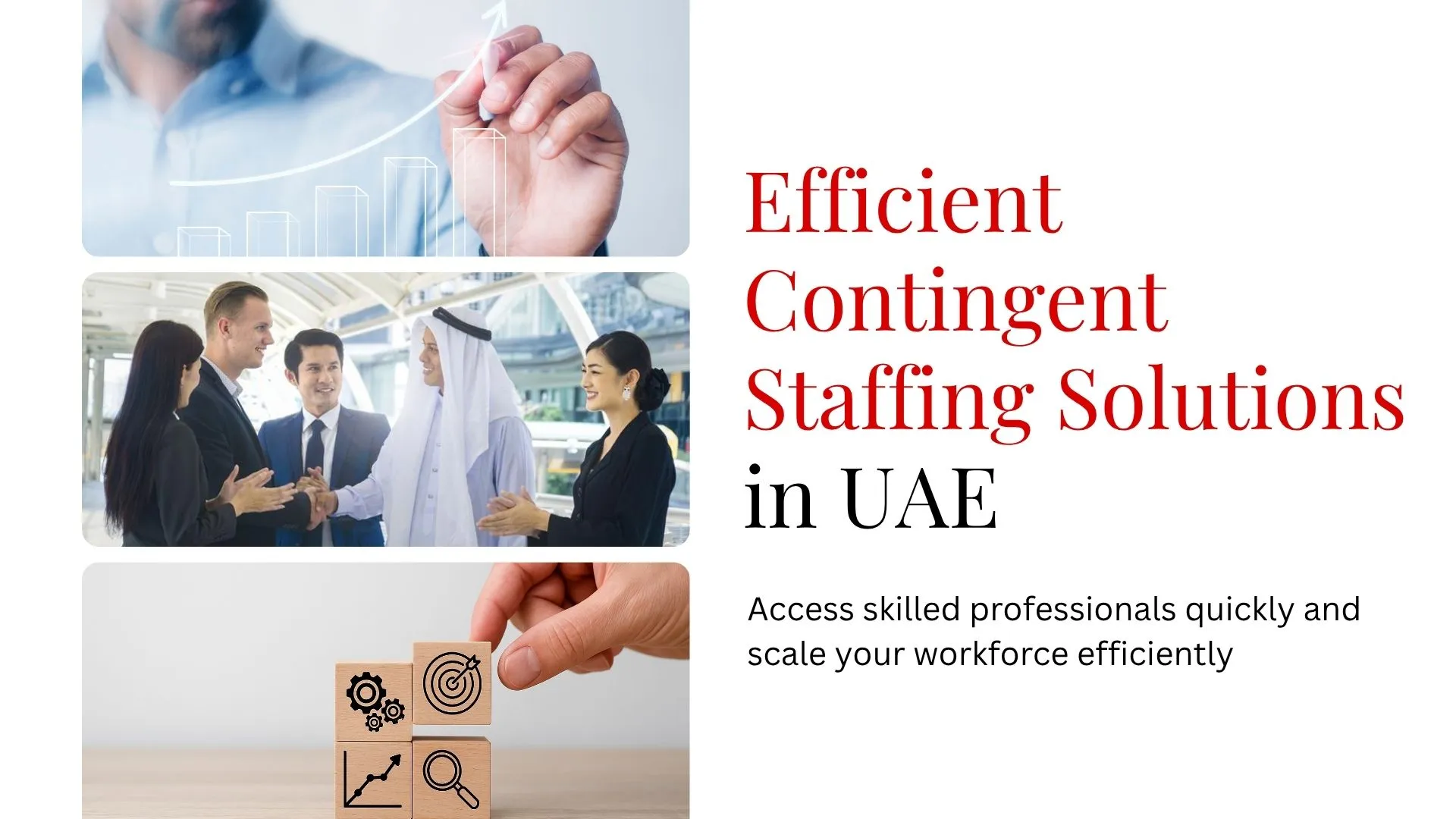
In today’s fast changing work environment, businesses need flexible and effective staffing. Two main staffing models are contingent staffing and permanent staffing. Each has its own benefits. Choosing the right model can save time and money. It can also support business growth and resilience.
What is Contingent Staffing
Contingent staffing means hiring people for short term or project-based roles. These workers may be freelancers, contractors, temps, or consultants. They are not part of the formal payroll. They work under a contract or through a staffing agency. This gives the business the flexibility to bring in help when needed.

What is Permanent Staffing
Permanent staffing refers to hiring employee’s full time. They get benefits such as health insurance and leave. They have long term job security. They help build continuity in the organization.
Key Differences and Benefits
Flexibility vs Stability
Contingent staffing allows quick scaling up or down. It suits short projects or seasonal demand.
Permanent staffing offers stability and long-term culture building.
Cost Efficiency
Contingent workers reduce costs. You avoid paying benefits, long term salaries, or annual leave.
Permanent employees cost more but add long term value.
Access to Specialized Skills
Contingent staffing lets you hire experts fast. You gain the skills you need only when needed.
Speed and Simplicity
Hiring contingent staff is faster. There is less red tape and fewer formal steps.
Risks and Challenges
Contingent staff may not align deeply with company culture. They may lack long term commitment.
Legal misclassification of contingent workers can cause penalties.
Onboarding and integration may need extra effort.
Frequently Asked Questions
What are contingent workers
Contingent workers are people hired on a short term or project basis. This includes freelancers, contractors, temps, and agency provided staff.
Why do companies use contingent staffing
They use it for flexibility, cost savings, fast access to talent, and to handle changing workloads without long term commitments.
When do businesses choose permanent staffing
They choose permanent staffing when they want stable teams, deep expertise, long term culture, and continuity.
What is the main difference between the two
Contingent staffing is temporary and flexible. Permanent staffing is stable and committed. The difference lies in benefits, job security, costs, and contract length.
Are there risks in using contingent staffing
Yes. Risks include legal issues such as misclassification, inconsistent talent availability, and challenges in team cohesion.
Can contingent workers become permanent
Yes. Contingent roles can serve as trial periods. If the fit is good, businesses might offer a permanent position later.
Conclusion
Understanding both contingent and permanent staffing can help businesses adapt. Contingent staffing offers speed, flexibility, and cost benefits. Permanent staffing brings stability and loyalty. A smart strategy often mixes both. That approach matches staffing to each project and long-term goal. This balance builds a resilient and agile workforce.



























Sign in to leave a comment.