

The electronics industry is evolving quickly, and manufacturers are under constant pressure to deliver high-quality products with better speed and accuracy. Managing multiple components, frequent design changes, and tight production deadlines requires more than basic planning tools. This is where ERP for electronics manufacturing becomes essential. Before you adopt a system, one key decision stands out: Should you go with SaaS or on-premise electronics manufacturing ERP? Understanding the difference helps you select a solution that supports both current operations and long-term goals.
1. Understanding ERP for electronics manufacturing
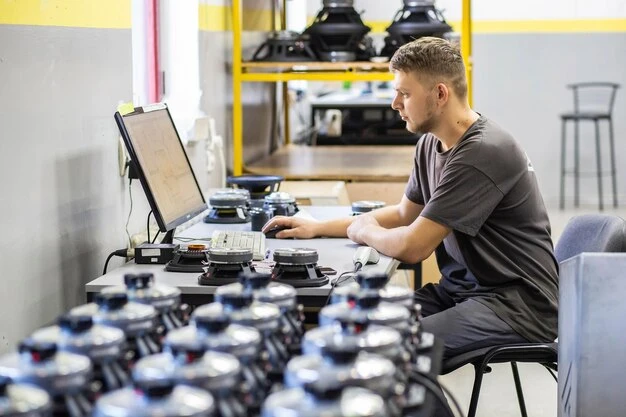
ERP for electronics manufacturing brings all operations onto a single platform. It connects sourcing, inventory, production, quality, engineering, sales, and finance. This integration is helpful because electronics companies work with complex BOM structures and frequent engineering changes that require accurate coordination.
A strong electronics manufacturing ERP system improves visibility and reduces delays. It gives teams access to real-time data, helping them manage planning, quality checks, and order tracking more confidently. This is especially helpful when dealing with component shortages or last-minute product modifications.
To understand the benefits clearly, consider how ERP brings structure to daily tasks:
- It reduces manual entries and errors.
- It improves coordination between purchasing and production.
- It helps teams make faster decisions with updated information.
Whether you choose SaaS or on-premise, a reliable electronics manufacturing ERP ensures smooth production and better control across the plant.
2. What is SaaS electronics manufacturing ERP?
SaaS ERP runs on the cloud and is offered on a subscription model. Companies access the system using the internet, and the provider manages storage, updates, and security. This makes cloud-based ERP software in India popular among manufacturers who want lower upfront investment.
One major advantage of SaaS ERP for electronics manufacturing is accessibility. Team members can log in from any facility, warehouse, or office. This is useful for electronics companies with multiple plants or suppliers spread across regions.
SaaS also supports faster deployment. Companies don’t need to wait for hardware installations or heavy configuration. Key benefits include:
- Quick implementation.
- No server or maintenance load on internal teams.
- Easy scalability as production grows.
Cloud ERP software India providers have improved security and performance, making SaaS a practical choice for many electronics manufacturers.
3. Understanding on-premise electronics manufacturing ERP
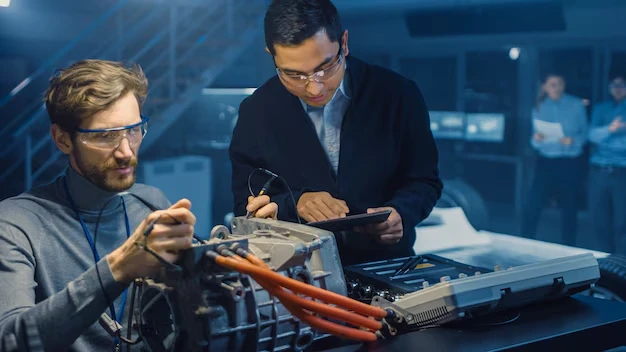
On-premise ERP is installed and hosted within your physical facility. Your internal team controls the system, manages security, and decides how the software is customized. This option suits companies that need deeper ERP customization or have strict data-control policies.
Electronics manufacturing often involves specialized testing steps, multi-level inspections, and custom workflows for engineering changes. On-premise ERP allows you to fine-tune the system to match these exact needs, from machine integrations to special traceability requirements.
The setup requires more involvement from internal IT teams, especially for updates and server management. Before choosing on-premise, companies usually consider:
- Whether they have a dedicated IT team.
- Whether long-term customization is a priority.
- Whether they prefer to keep data fully within their premises.
For larger electronics manufacturers with established infrastructure, this model offers maximum control.
4. SaaS vs on-premise: Cost, flexibility and control
Cost is one of the biggest deciding factors. SaaS offers predictable monthly or annual payments, which helps companies control budgets. On-premise requires upfront investment in servers, licenses, and hardware, making it a larger capital expense.
Flexibility differs too. SaaS ERP works well for companies that follow standard processes and want faster go-live timelines. On-premise supports more complex workflows where deep ERP customization is necessary. Electronics companies that run unique testing, assembly, or quality steps often lean toward on-premise because it allows exact process alignment.
Control is a key consideration. Some manufacturers prefer total control over their data and systems, and on-premise delivers that. SaaS provides strong security and easier management, but final control remains with the provider. Both options are secure, but your internal policies and comfort level will determine the right fit.
5. How to decide: Key factors for electronics manufacturers

Choosing between SaaS and on-premise depends on your goals, plant setup, and IT capability. Electronics manufacturers with rapid growth plans often prefer cloud-based systems because they scale easily with new locations, higher production volume, or expanded product lines.
For companies that deal with sensitive IP or machinery-integrated workflows, on-premise may be better. This is especially true for businesses that want tight control over engineering data or integrate ERP directly with machines or in-house applications.
When evaluating your decision, look at:
- The size and strength of your IT team.
- Long-term expansion goals.
- Your need for customization.
- Your preference for a predictable monthly cost or a one-time investment.
ERP for manufacturing in India is moving toward hybrid and cloud-first models, but the right choice depends on your operational reality.
6. Trends shaping the future of ERP in electronics manufacturing
Automation and real-time visibility are becoming essential in the electronics sector. Both SaaS and on-premise systems now support features like advanced planning, predictive analytics, and integrated quality management.
Cloud ERP software for the manufacturing industry is growing fast because updates are automatic and frequent. Companies don’t need to schedule downtime for upgrades, and new compliance features arrive without delay. This helps electronics manufacturers adapt to fast market changes.
Another key trend is centralized dashboards. Modern electronics manufacturing ERP systems allow teams to monitor WIP, machine performance, quality trends, and supply chain risks from a single screen. This helps managers make faster decisions and maintain better control over production timelines.
Choose what supports your growth with TheERPHub
Both SaaS and on-premise electronics manufacturing ERP systems offer strong advantages. The right option depends on your processes, IT capability, and long-term business vision. TheERPHub provides flexible ERP solutions built specifically for electronics manufacturers. You can choose a cloud or on-premise setup and still gain complete visibility across production, quality, inventory, and planning.
If you want to streamline your operations and improve decision-making, reach out to us today and request your personalized demo.































Sign in to leave a comment.