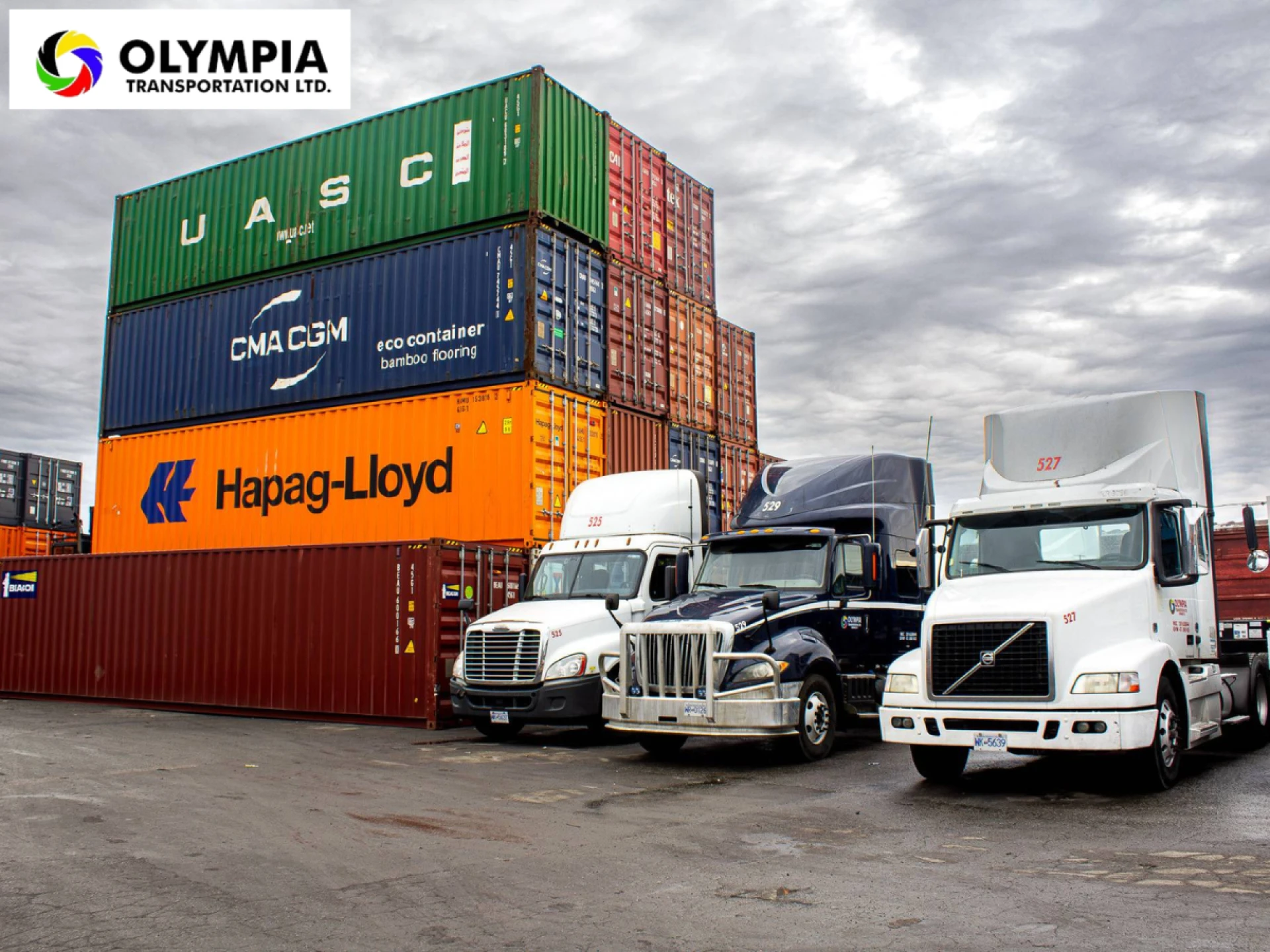

Freight moving through Vancouver carries pressure at every step. Tight port windows, shifting terminal rules, and downstream delivery promises leave little room for guesswork. Importers and exporters who choose their logistics partners carefully tend to sleep better at night. This guide looks past marketing language and focuses on what actually separates dependable operators from risky ones.
What This Guide Will Cover:
- Why port fluency matters more than broad claims
- How control over trucks and drivers affects outcomes
- Where warehousing and distribution fit into the decision
- The quiet importance of communication and safety
- What long-term reliability really looks like in practice
Port experience is not optional
Vancouver is a port city first and everything else second. Any carrier moving freight here must understand terminal appointments, container dwell time, chassis availability, and the rhythm of congestion. This knowledge is learned on the ground, not from a playbook. Companies without daily port exposure tend to react late and pass the cost along. Real experience allows them to plan ahead and adapt quickly when things go awry.
Control beats coordination
One of the most evident differences in logistics is the process's ownership. Logistics providers that own their trucks and hire their own drivers can make real-time decisions. These providers can change scheduling, reschedule shipments, and fix problems without having to wait for outside assistance. The result is fewer missed pickups and more comfortable discussions about changing plans. The approach is not fanciful; it's effective.
Distribution does not end at the gate
Once containers leave the terminal, the real work often begins. Many importers need freight staged, broken down, or redirected across the region. Shipping distribution companies that connect trucking with warehousing remove friction from that process. Fewer handoffs mean fewer errors and faster turnaround. When storage, cross-docking, and delivery operate as one system, freight flows instead of stalling.
Communication reveals character
Every logistics operation runs into trouble eventually. Weather shifts, vessels arrive late, and paperwork gets flagged. What matters is how fast the issue surfaces and who owns it. Reliable partners communicate early and clearly. They do not bury problems in silence. Importers and exporters should look for teams that speak plainly and keep clients informed without being prompted.
Safety is practical, not abstract
Properly maintained equipment and trained drivers will not only be compliance items. They safeguard cargo, schedules, and reputations. Lack of proper safety results in failure, claims of insurance, and failure of delivery. Strong operators do not spend a lot of money on maintenance and training, as they understand that shortcuts always backfire later.
Capacity should match ambition
Logistics requirements will likely change. A weak setup can be overstretched by seasonal spikes, new customers, or an increased product line. An excellent spouse has space to expand with you. It could be in the form of more fleet capacity, a warehouse area, or regional coverage. Shipping distribution companies with well-established infrastructure are more likely to take in growth, as compared to already stretched-thin companies.
Reputation comes from repetition
Anyone can move a load once. The real test is consistency over time. Long-standing relationships, repeat clients, and steady operations signal reliability. Companies such as Olympia Transportation Ltd. have built their name around integrated services and long-term partnerships rather than one-off transactions.
Conclusion
Finding the lowest price or making the loudest promise does not influence the decision between Vancouver trucking companies. It is about finding a partner who understands the port, controls their operation, and communicates like a human being when pressure hits. . If your freight deserves steady hands and clear thinking, now is the time to reassess who is moving it. Start a conversation with a logistics provider who can match your pace and help your supply chain run with fewer surprises.





















Sign in to leave a comment.