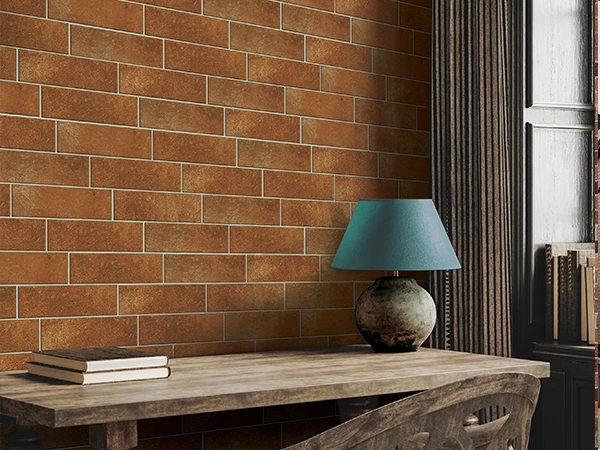

Cladding tiles are a versatile and functional choice for protecting and enhancing the aesthetics of buildings. However, selecting the right cladding tiles requires careful consideration of the climatic conditions where they will be used. Different climates have unique challenges, and the wrong choice of materials can lead to maintenance issues, structural damage, or aesthetic compromise.
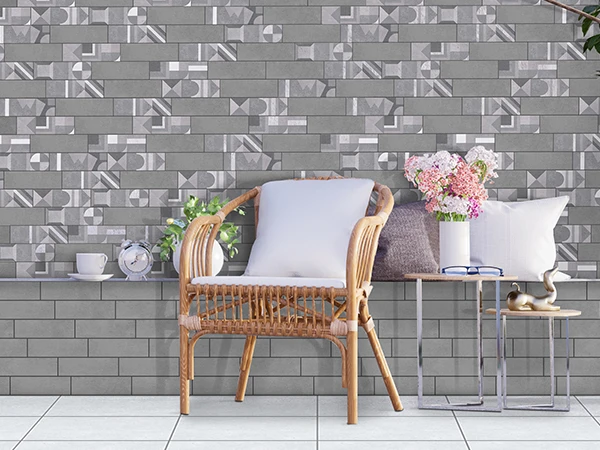
This guide will help you choose the best cladding tiles for various climates and explore their benefits and types.
Understanding Climatic Challenges
Climates can significantly impact the durability, appearance, and performance of cladding tiles. Here are some key considerations based on climate types:
- Hot and Arid Climates: Exposure to intense sunlight and high temperatures can cause fading and cracking in certain tile materials.
- Cold and Frosty Climates: Freeze-thaw cycles can damage porous materials, leading to cracks or water infiltration.
- Humid and Coastal Climates: High humidity and salt exposure can lead to moss, algae growth, and corrosion.
- Rainy Climates: Persistent rainfall demands water-resistant and non-slip materials to prevent water damage and accidents.
Factors to Consider When Choosing Cladding Tiles
1. Material Durability
Select materials that withstand the specific climatic challenges of your region. For example:
- Porcelain Tiles: These are dense, water-resistant, and suitable for both hot and wet climates.
- Natural Stone Tiles: Granite and slate are durable options for frost resistance and rustic aesthetics.
- Terracotta Tiles: While eco-friendly and aesthetic, they may require sealing in humid or wet regions.
2. Maintenance Requirements
Tiles in humid or coastal areas should resist mold and stains, while those in cold climates must endure freeze-thaw conditions with minimal upkeep.
3. Aesthetic Appeal
Cladding tiles come in various colors, textures, and finishes. Choose options that complement the architectural style while considering long-term appearance under weather exposure.
Tile Options for Different Climates
Hot Climates
- Recommended Tiles: Porcelain, terracotta, and ceramic tiles with UV-resistant coatings.
- Benefits: These materials resist heat and fading, maintaining their appearance over time.
Cold Climates
- Recommended Tiles: Vitrified and granite tiles with low porosity.
- Benefits: These tiles resist frost and minimize cracking during freeze-thaw cycles.
Humid and Coastal Climates
- Recommended Tiles: Natural stone (slate), ceramic tiles with anti-fungal coatings.
- Benefits: These materials resist moisture, algae growth, and corrosion.
Rainy Climates
- Recommended Tiles: Slip-resistant porcelain and vitrified tiles.
- Benefits: They ensure safety and durability by resisting water penetration.
Elevation Tiles and Wall Tiles for Climatic Conditions
Elevation Tiles
Elevation tiles are ideal for enhancing the exterior facade of buildings. Choose:
- Porcelain or Natural Stone for a weather-resistant and aesthetic finish.
- Ceramic Tiles with Glossy Coatings for regions with less rainfall to prevent staining.
Wall Tiles
Wall tiles should balance functionality and style. Options include:
- 3D Wall Tiles: These add depth and texture to facades in mild climates.
- Textured Tiles: Ideal for humid regions to minimize moss buildup.
Installation and Maintenance Tips
- Ensure Proper Sealing: Protect porous materials like natural stone in wet or humid climates with sealants.
- Use Weather-Resistant Adhesives: High-quality adhesives prevent tiles from detaching in extreme weather.
- Regular Cleaning: Remove dirt, moss, or algae to maintain the tiles’ appearance and durability.
- Inspect for Damage: Address cracks or loose tiles promptly to avoid further damage.
Benefits of Choosing the Right Cladding Tiles
- Weather Protection: Shield buildings from harsh weather conditions.
- Aesthetic Enhancement: Elevate the visual appeal of facades.
- Increased Longevity: Properly chosen tiles last longer with minimal maintenance.
- Energy Efficiency: Certain tiles provide insulation, reducing heating or cooling costs.
By understanding your region’s climate and following proper installation and maintenance practices, you can ensure a beautiful, long-lasting facade that withstands environmental challenges with ease.

























Sign in to leave a comment.