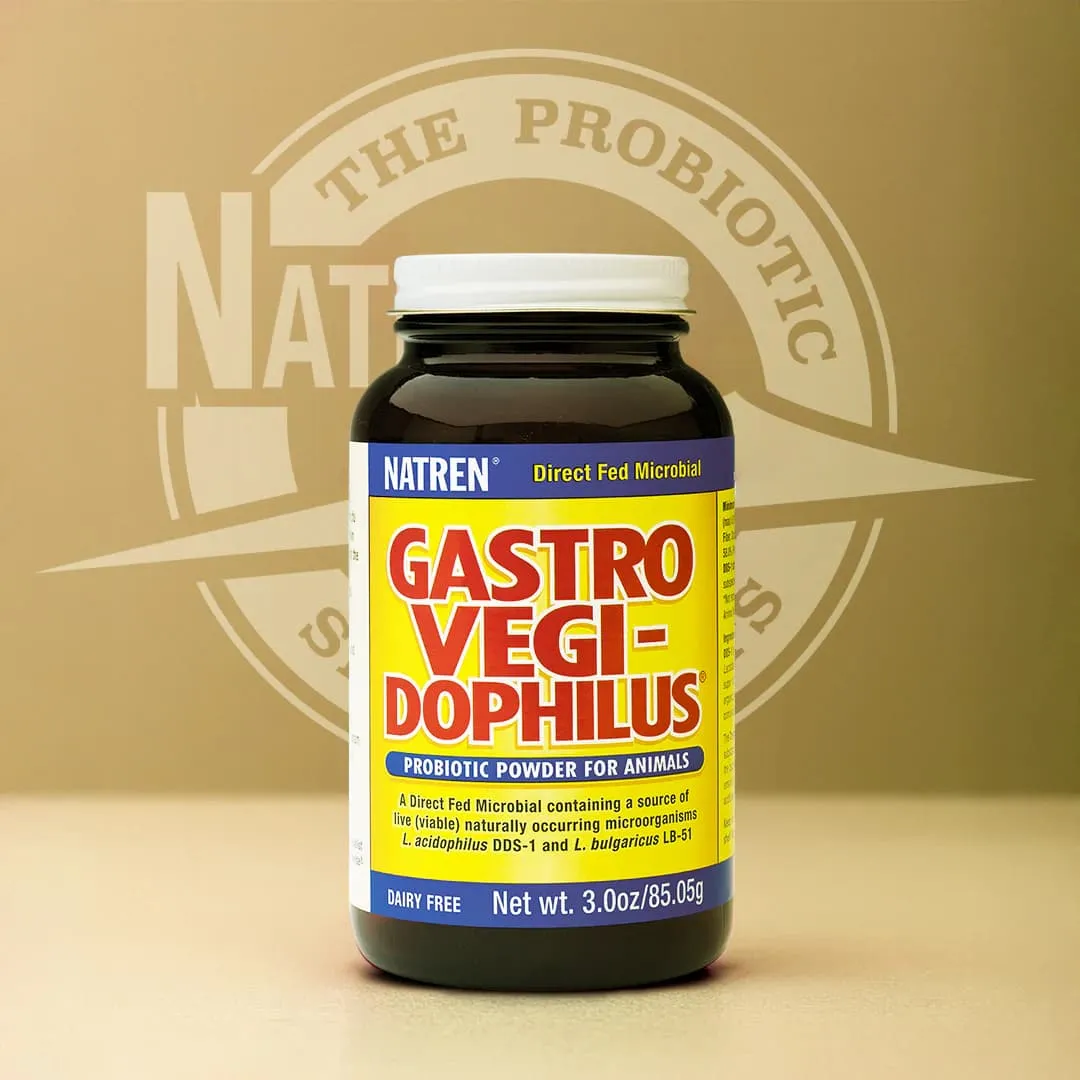

Pet care has moved beyond food and exercise. More owners are now paying attention to something less visible but just as important: the microbiome. This community of bacteria living in your pet’s body plays a key role in digestion, immunity, and overall comfort.
Understanding how it works can help you make better choices, especially when considering options like probiotics for pets.
What Is the Pet Microbiome?
The microbiome refers to the collection of microorganisms living in and on your pet’s body. Most of these microbes are found in the digestive system, particularly the gut.
These bacteria aren’t harmful by default. In fact, many of them are essential. They help break down food, support nutrient absorption, and interact with the immune system.
A balanced microbiome supports normal digestion and overall well-being. When that balance is disrupted, problems can start to appear.
Why Balance Matters
A healthy gut contains a mix of beneficial and neutral bacteria. When this balance shifts, due to stress, diet changes, or medication, it can affect how your pet feels and functions.
Common signs of imbalance include:
- Irregular stools
- Gas or bloating
- Changes in appetite
- Occasional digestive upset
Maintaining balance is where approaches like probiotics for pets come into the picture.
How Diet Shapes the Microbiome
Food is one of the biggest factors influencing gut health. What your pet eats directly affects which bacteria grow and thrive.
Diets that include balanced nutrients and fiber can support beneficial bacteria. Sudden changes in food, on the other hand, can disrupt the microbiome.
If you’re planning to switch your pet’s diet, doing it gradually can help the gut adjust. This reduces the chances of digestive discomfort and supports a smoother transition.
The Role of Probiotics
Probiotics are live beneficial bacteria that can support the existing microbiome. When used appropriately, probiotics for pets may help maintain balance, especially during times of change.
They are commonly used:
- After antibiotic treatment
- During dietary transitions
- In periods of stress
- For mild digestive irregularities
Probiotics don’t replace your pet’s natural bacteria. Instead, they work alongside them to support a stable environment.
Choosing the Right Probiotic
Not all products are designed the same way. When selecting probiotics for pets, it’s important to focus on quality and relevance.
Look for:
- Species-specific strains: Bacteria suited for dogs or cats
- Clear labeling: Transparency about ingredients and CFU counts
- Ease of use: Powders, capsules, or chews that fit your routine
- Storage instructions: Proper handling helps maintain effectiveness
Using probiotics designed specifically for pets ensures they align with their digestive systems.
Consistency Makes a Difference
Probiotics don’t work instantly. They support the gut gradually over time.
Taking them occasionally may not have the same effect as regular use. Consistency allows beneficial bacteria to maintain their presence and support digestion more effectively.
For many owners, adding probiotics for pets into a daily routine makes it easier to maintain this consistency.
Beyond Supplements: Lifestyle Factors
Gut health isn’t shaped by probiotics alone. Several everyday factors influence the microbiome:
- Hydration: Supports digestion and nutrient absorption
- Exercise: Helps maintain overall health and gut function
- Stress levels: Changes in routine or environment can affect digestion
- Hygiene: Clean feeding areas and fresh food reduce unwanted bacteria
Supporting these areas can create an environment where beneficial bacteria thrive.
When to Seek Veterinary Advice
While probiotics can support gut health, they are not a substitute for professional care.
If your pet experiences ongoing digestive issues, weight loss, or significant changes in behavior, it’s important to consult a veterinarian.
Probiotics for pets can be part of a broader care plan, but proper diagnosis and treatment are essential when needed.
Common Misunderstandings
There are a few myths around pet microbiome health that can lead to confusion:
- “All bacteria are harmful.” Many are essential for health
- “Probiotics fix everything.” They support balance but don’t treat serious conditions
- “More is always better.” Proper dosage matters more than quantity
Understanding these points can help you make more informed decisions.
Building a Simple Routine
Supporting your pet’s microbiome doesn’t have to be complicated. Small, consistent steps can make a difference:
- Feed a balanced, consistent diet
- Introduce changes gradually
- Use probiotics for pets when needed or as part of a routine
- Monitor your pet’s digestion and behavior
Keeping things simple makes it easier to maintain over time.
The Bigger Picture
The microbiome is just one part of your pet’s overall health. It works alongside other systems in the body, influencing digestion, immunity, and comfort.
Taking a balanced approach, combining proper nutrition, routine care, and informed use of probiotics, can support long-term well-being.
Final Thoughts
Pet microbiome health is becoming an important part of modern pet care. Understanding how it works can help you support your pet in a more thoughtful way.
Probiotics for pets can play a role in maintaining balance, especially during times of change. When combined with consistent habits and proper care, they can contribute to a more stable and comfortable digestive system.
Focusing on simple, practical steps can go a long way in supporting your pet’s health over time.



























Sign in to leave a comment.